
Are you struggling to find the right size pool hose for your setup? Knowing how to measure pool hose diameter correctly can save you time, money, and frustration.
If your hose doesn’t fit perfectly, your pool pump won’t work efficiently, and leaks can become a constant headache. This simple skill can make a big difference in keeping your pool clean and running smoothly. Keep reading, and you’ll learn easy, step-by-step methods to measure your pool hose diameter like a pro—no special tools or confusing math needed.
Your pool maintenance just got a whole lot easier!
Tools Needed
Measuring the diameter of a pool hose requires the right tools. Accurate measurement ensures the hose fits well and works efficiently. Using simple tools makes this task easy and quick. Here are the basic tools you need to measure pool hose diameter.
Measuring Tape
A measuring tape is the most common tool for measuring hose diameter. It wraps around the hose to find the circumference. Divide the circumference by 3.14 to get the diameter. Choose a tape that is flexible and easy to read. This tool works well for larger hoses.
Caliper
A caliper gives a direct reading of the hose diameter. It clamps around the hose and shows the measurement on a scale. This tool is precise and ideal for small or medium hoses. Digital calipers provide easy-to-read measurements. Calipers are great for detailed and accurate work.
Flexible Ruler
A flexible ruler can measure the hose’s diameter when a caliper is not available. Bend the ruler across the hose’s widest part. Read the measurement straight across the hose. This method is less precise but good for quick checks. Flexible rulers are simple and handy for everyday use.
Credit: poolstore.co.uk
Types Of Pool Hoses
Pool hoses come in different types. Each type serves a unique purpose. Knowing the types helps measure the right diameter. This ensures a perfect fit for your pool system.
Standard Vacuum Hoses
Standard vacuum hoses connect the pool vacuum to the filtration system. They are flexible and lightweight. These hoses usually come in lengths of 25 feet or more. Their diameter varies, commonly 1.25 inches or 1.5 inches. Measuring their diameter accurately ensures good suction and cleaning.
Pressure Hoses
Pressure hoses handle water flow from the pump under pressure. They are thicker and stronger than vacuum hoses. These hoses resist bursting or collapsing. Pressure hose diameters often match the pump outlet size. Correct diameter measurement avoids leaks and pressure loss.
Skimmer Hoses
Skimmer hoses connect the pool skimmer to the pump. They carry debris-filled water to the filter. Skimmer hoses need to fit tightly to prevent air leaks. They usually have a smaller diameter than vacuum hoses. Measuring skimmer hose diameter helps maintain pool water flow.
Measuring Outer Diameter
Measuring the outer diameter of a pool hose is important for proper fitting. This size shows the full width of the hose from one outer edge to the other. Knowing this helps you find the right connectors and accessories. The process is simple and requires a few steps to get an accurate result.
Positioning The Measuring Tool
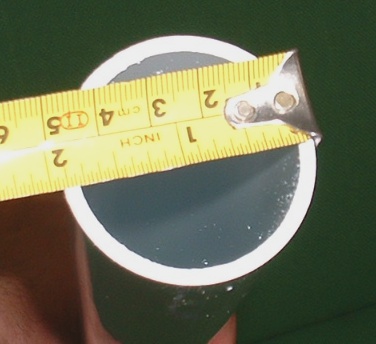
Use a ruler, caliper, or tape measure to check the hose. Place the tool across the hose’s widest part. The tool should touch both outer edges without bending. Keep the hose straight and steady for the best reading. Avoid measuring at an angle to prevent errors.
Reading The Measurement
Look at the number on the tool where it meets the hose edge. This number shows the outer diameter in inches or millimeters. Record the number carefully for later use. Double-check the measurement by repeating the process. Accuracy helps ensure you buy the right size hose or parts.

Credit: www.youtube.com
Measuring Inner Diameter
Measuring the inner diameter of a pool hose is essential for a perfect fit. The inner diameter tells you the size of the opening inside the hose. This measurement helps in choosing the right connectors and pump attachments. Accurate measurement prevents leaks and ensures smooth water flow.
Removing Dirt And Debris
Start by cleaning the hose’s inner surface. Dirt and debris can change the measurement. Use a soft cloth or brush to clear the inside. Rinse the hose with water to remove loose particles. Dry the hose well before measuring. Clean surfaces give more accurate results.
Using Calipers For Accuracy
Use calipers to measure the inner diameter precisely. Insert the caliper tips gently inside the hose. Open the tips until they touch both sides of the hose interior. Read the measurement on the caliper scale. If you don’t have calipers, a ruler can work but less precise. Accurate tools save time and prevent mistakes.
Common Hose Sizes
Pool hoses come in several common sizes. Knowing these sizes helps you pick the right hose. Using the correct hose size keeps your pool clean and running smoothly. It also prevents leaks and damage to your equipment.
Inches Vs Millimeters
Pool hoses are measured in inches or millimeters. Inches are common in the United States. Millimeters are used in many other countries. 1 inch equals 25.4 millimeters. Understanding both helps you find the right hose size. Most pool hoses range from 1.5 to 2 inches. This equals about 38 to 50 millimeters. Always check the measurement system used in your area.
Matching Hose To Equipment
Hose size must match your pool equipment. Pumps and filters have specific hose diameters. Using the wrong size can cause poor water flow. Too small a hose restricts water, causing damage. Too large a hose may not fit connectors. Measure your pump or filter fittings first. Then choose a hose with the same diameter. This ensures a tight, leak-free connection.
Ensuring Proper Hose Fit
Ensuring a proper hose fit is key for your pool’s maintenance and water flow. A well-fitted hose prevents water loss and keeps your pool equipment safe. It also makes cleaning easier and more efficient.
Choosing the right diameter is just the start. The connection points need to match perfectly to avoid problems. Careful checking and fitting help your pool system work smoothly.
Checking Hose Ends And Connectors
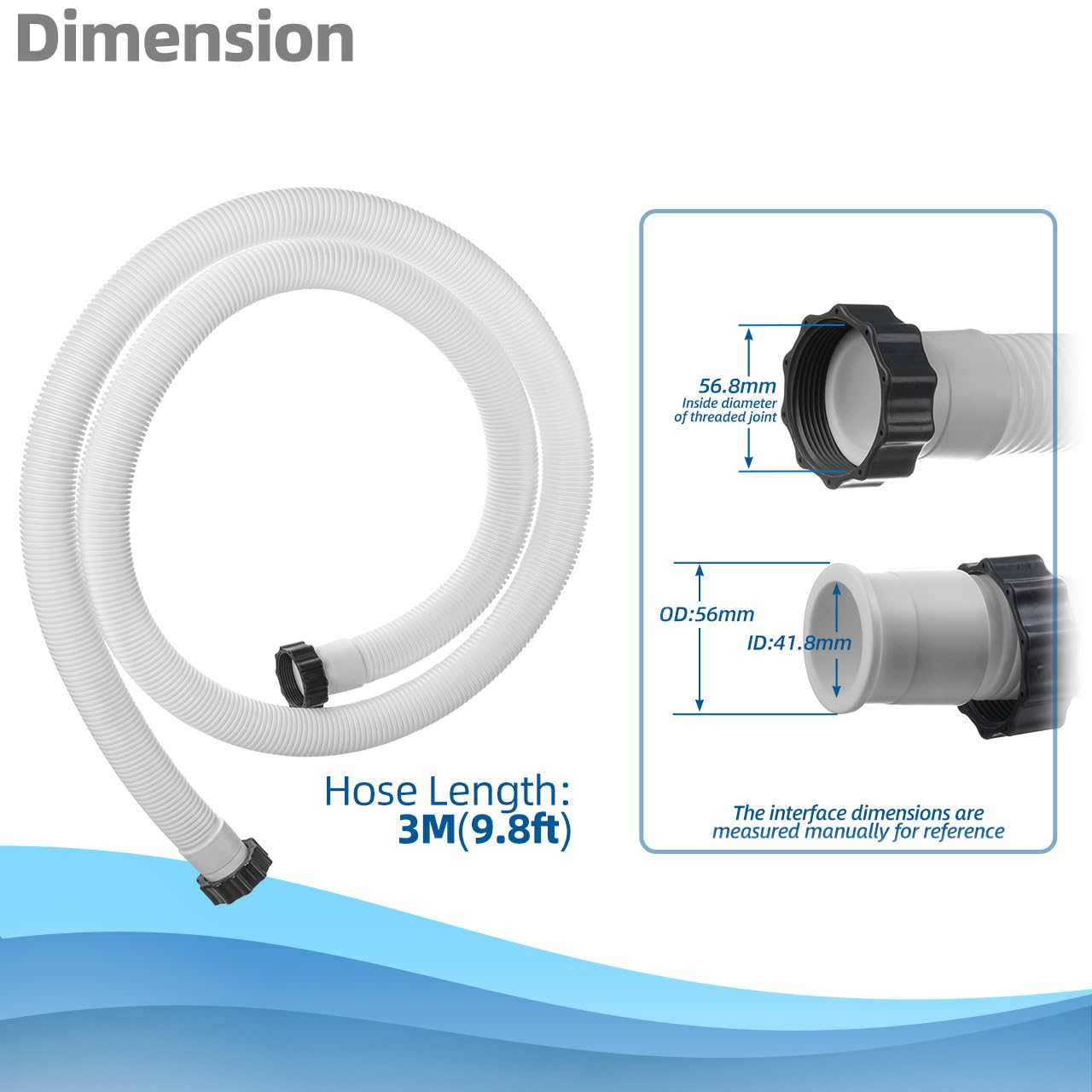
Start by examining the hose ends closely. Look at the shape and size of the connectors. Measure the diameter across the inside and outside edges. Make sure connectors match the hose size exactly.
Check the type of connection too. Some hoses use threaded ends while others use quick-connect fittings. Using the right connector type helps secure the hose firmly.
Avoiding Leaks And Loose Fittings
Leaks happen when hoses do not fit tightly. Test the hose by attaching it and running water through. Look for any drips or weak spots around the connectors.
Tighten clamps or replace worn parts to stop leaks. Use hose clamps to hold the hose securely on the fitting. Avoid forcing parts together as this may cause damage.
Tips For Accurate Measurement
Getting the right diameter of your pool hose is key for proper water flow and equipment fit. Accurate measurement avoids leaks and ensures smooth operation. Follow these tips to measure your hose diameter correctly every time.
Measuring Multiple Times
Take your measurement more than once. This helps catch any mistakes. Measure at different points along the hose. Compare the numbers to find the most common size. Use a ruler or caliper for better accuracy.
Considering Hose Flexibility
Pool hoses bend and twist easily. Measure when the hose is straight, not bent. Bending can change the diameter reading. Lay the hose flat on a surface. Keep it relaxed but not stretched tight.
Credit: hmtrader.com
Frequently Asked Questions
What Tool Is Best To Measure Pool Hose Diameter?
Use a tape measure or ruler to find the outer diameter of the hose accurately.
How Do I Measure The Inner Diameter Of A Pool Hose?
Measure the inside edge to edge of the hose opening for the inner diameter.
Why Is Measuring Pool Hose Diameter Important?
Correct hose size ensures proper water flow and fits pool equipment well.
Can I Use A String To Measure Hose Diameter?
Yes, wrap string around the hose and measure its length to find circumference.
How To Convert Hose Circumference To Diameter?
Divide the hose circumference by 3. 14 to get the diameter in inches.
What Is The Standard Size For Pool Hose Diameter?
Most pool hoses range from 1. 25 to 2 inches in diameter for common use.
Conclusion
Measuring your pool hose diameter is simple and important. Use a ruler or tape to find the width. Knowing the right size helps your pool equipment work well. Always measure carefully for the best fit. A correct hose size keeps water flowing smoothly.
Take your time and double-check your measurements. This small step saves you from future problems. Keep your pool running clean and clear with the right hose size. Easy and effective.