
Are you tired of guessing how much pool chemical to add each time you treat your water? Measuring pool chemicals by weight is the key to keeping your pool safe, clean, and perfectly balanced.
When you get the right amounts, you avoid wasting products and protect your family from harmful imbalances. You’ll discover simple, foolproof ways to measure your pool chemicals accurately every time. Keep reading to master this skill and enjoy crystal-clear water all season long!
Why Measure Pool Chemicals By Weight
Measuring pool chemicals by weight ensures accuracy and safety. Chemicals affect water balance and swimmer health. Using weight helps avoid mistakes that happen with volume measures. It gives consistent results every time. This precision improves pool care and chemical use.
Benefits Over Volume Measurement
Weight measurement is more accurate than volume. Liquids can vary in density, making volume less reliable. Powders and granules settle or pack differently in containers. Measuring by weight removes these errors. It saves chemicals and prevents overdosing. This method also reduces waste and saves money.
Impact On Pool Safety And Maintenance
Correct chemical levels keep water safe for swimmers. Too much or too little can cause skin and eye irritation. Measuring by weight ensures correct dosages. It helps maintain balanced water chemistry. Balanced water prevents algae and bacteria growth. It protects pool equipment from damage caused by wrong chemical levels.
Credit: blog.orendatech.com
Essential Tools For Accurate Measurement
Measuring pool chemicals by weight needs the right tools. Accurate tools help keep your pool safe and clean. Using correct tools reduces mistakes and saves money.
Choosing the right scale is important. You also need to keep the scale accurate over time. Let’s explore the best tools for measuring pool chemicals.
Types Of Scales Suitable For Pool Chemicals
Digital kitchen scales work well for small amounts of chemicals. They are easy to use and show exact weights. Look for scales with a capacity of at least five pounds.
For larger quantities, use a bench scale. These scales handle heavy containers and give precise results. A scale with a tare function helps remove container weight.
Choose scales with clear displays and simple buttons. Avoid scales that show weight in only one unit. Scales with grams and ounces are more flexible.
Calibration Tips For Precise Results
Regular calibration keeps your scale accurate. Use calibration weights or coins with known weight. Follow the scale’s manual for calibration steps.
Calibrate the scale before each use if possible. Place the scale on a flat, stable surface. Avoid measuring near fans or vibrations.
Check the scale’s accuracy by weighing the same object twice. If results differ, recalibrate the scale. This practice prevents errors in chemical dosing.
Step-by-step Measurement Process
Measuring pool chemicals by weight ensures accuracy and safety. It helps keep your pool water clean and balanced. Follow these easy steps to measure chemicals correctly.
Preparing The Scale And Workspace
Start by choosing a clean, flat surface for your scale. Make sure the scale is dry and stable. Turn on the scale and set it to zero. Use a clean container or bowl to hold the chemicals. Place the container on the scale and reset it to zero. This step removes the container’s weight from the measurement.
Weighing Different Types Of Chemicals
Measure each chemical separately to avoid mixing errors. Gently add the chemical into the container until the scale shows the required weight. Use a small spoon or scoop for better control. Some chemicals are light and fluffy, others are dense. Always follow the recommended weight on the product label. Avoid spilling chemicals around the scale.
Recording And Adjusting Measurements
Write down the weight of each chemical immediately. Keep a log to track what you add to the pool. Compare your measurements with pool size and chemical needs. Adjust the amount if water conditions change. Accurate records help maintain water balance and prevent overuse.
Credit: www.walmart.com
Common Pool Chemicals And Their Weight Guidelines
Understanding the weight guidelines for common pool chemicals helps keep your pool safe and clean. Proper measurement prevents overuse or underuse of chemicals. It also protects swimmers and pool equipment. Below are weight recommendations for typical pool chemicals.
Chlorine And Chlorine Tablets
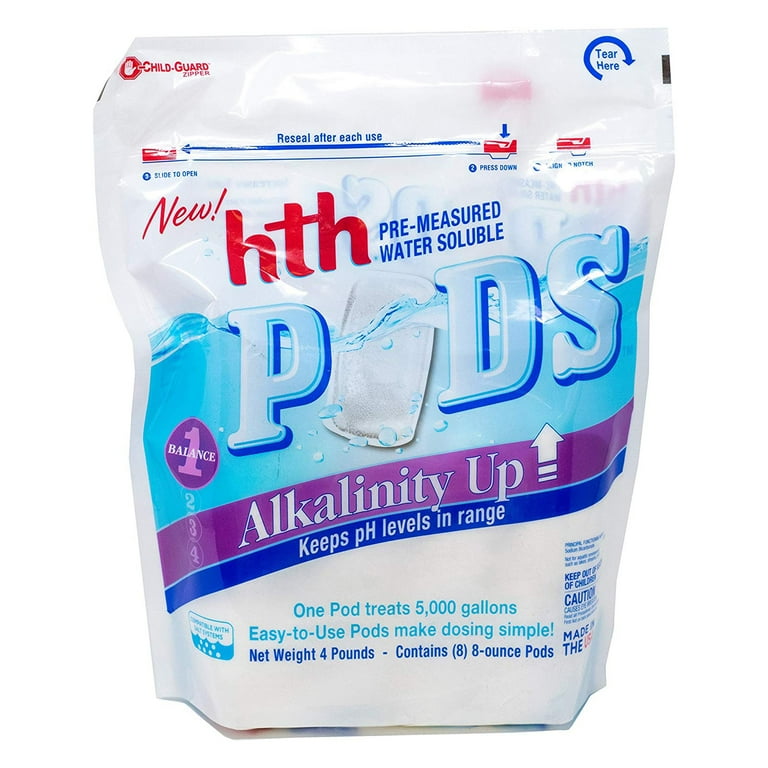
Chlorine is the main sanitizer for pools. It kills bacteria and controls algae. Chlorine tablets usually weigh about 3 ounces each. Use about 1 to 3 tablets per 5,000 gallons of water weekly. For granular chlorine, measure about 1 to 3 ounces per 1,000 gallons. Always follow package instructions carefully.
Ph Adjusters
pH adjusters keep water balanced. Sodium carbonate (soda ash) raises pH. Sodium bisulfate lowers pH. For soda ash, use about 6 ounces per 10,000 gallons to raise pH by 0.2. For sodium bisulfate, use about 6 ounces per 10,000 gallons to lower pH by 0.2. Measure chemicals by weight for accuracy.
Algaecides And Clarifiers
Algaecides stop algae growth. Clarifiers clear cloudy water. Most algaecides require about 1 to 2 ounces per 10,000 gallons. Clarifiers usually need about 2 to 4 ounces per 10,000 gallons. Use a precise scale to measure these chemicals. Proper dosing keeps water clear and healthy.
Safety Precautions When Handling Chemicals
Handling pool chemicals requires care and attention. These substances can harm your skin, eyes, and lungs. Taking safety steps protects your health and keeps your pool safe. Always follow safety rules to avoid accidents and injuries. Proper handling also prevents chemical spills and reactions.
Protective Gear Recommendations
Wear gloves made of rubber or nitrile to protect your hands. Use safety goggles to shield your eyes from splashes. A mask helps stop inhaling dust or fumes. Long sleeves and pants prevent skin contact. Choose gear that fits well and is in good condition. Change gloves if they tear or get wet.
Storage And Disposal Tips
Store chemicals in a cool, dry place away from sunlight. Keep containers tightly closed to avoid spills and moisture. Label all chemicals clearly to prevent confusion. Do not mix different chemicals together. Dispose of unused chemicals according to local rules. Use original containers for disposal to keep information clear.
Troubleshooting Measurement Errors
Measuring pool chemicals by weight requires accuracy for safe water balance. Mistakes in measurement can cause chemical imbalances, affecting water quality. Troubleshooting measurement errors helps keep your pool clean and safe.
Scale Inaccuracies
Scales can give wrong readings if not calibrated. Check the scale before each use to ensure it reads zero. Use a scale made for small weights to improve accuracy. Avoid using old or damaged scales as they may be unreliable. Place the scale on a flat, stable surface to prevent errors.
Environmental Factors Affecting Weight
Humidity and temperature can change chemical weight slightly. Weigh chemicals in a dry place to avoid moisture absorption. Air drafts can disturb the scale and cause false readings. Use the scale indoors, away from windows and fans. Store chemicals in sealed containers to keep weight consistent.
Credit: signaturepoolsonline.com
Frequently Asked Questions
How Do I Weigh Pool Chemicals Accurately?
Use a digital scale on a flat surface. Tare the container before adding chemicals.
Why Measure Pool Chemicals By Weight, Not Volume?
Weight gives precise dosing. Volume can vary due to packing or moisture.
What Tools Are Best For Weighing Pool Chemicals?
A digital kitchen scale with a 0. 1-gram accuracy works well.
How Often Should I Calibrate My Chemical Scale?
Calibrate monthly or when accuracy seems off. Follow the scale’s manual.
Can I Use Household Scales For Pool Chemicals?
Yes, but ensure they are accurate and sensitive enough for small amounts.
How Do I Convert Pool Chemical Instructions To Weight?
Check the product label for density or conversion info. Use a calculator if needed.
Conclusion
Measuring pool chemicals by weight keeps your water safe and balanced. Use a reliable scale for accuracy every time. Avoid guessing amounts to prevent problems like cloudy water or skin irritation. Follow the chemical instructions carefully and measure with care.
Regular checks help maintain the right chemical levels. Clean, clear water makes swimming more enjoyable. Simple steps lead to better pool health and safety. Keep your pool inviting and fresh all season long.