
You’ve just filled your pool, but something feels off. Maybe the water looks uneven, or you notice one side seems lower than the other.
If your pool isn’t level, it can cause serious problems like water imbalance, structural damage, or even safety risks. But don’t worry—getting your pool perfectly level after filling it is easier than you think. You’ll discover simple, step-by-step ways to fix the problem quickly and keep your pool safe and enjoyable all season long.
Keep reading, and you’ll have your pool looking and feeling just right in no time.
Credit: www.gauthmath.com
Signs Your Pool Needs Leveling
Knowing the signs that your pool needs leveling is important for its safety and performance. A pool that is not level can cause problems with water circulation and damage the structure. Spotting these signs early helps you fix the issue before it gets worse.
Uneven Water Levels
One clear sign is uneven water levels along the pool edges. The water may appear higher on one side and lower on the other. This shows that the pool surface is not flat. Uneven water can affect skimmers and filters, reducing their efficiency.
Structural Stress Indicators
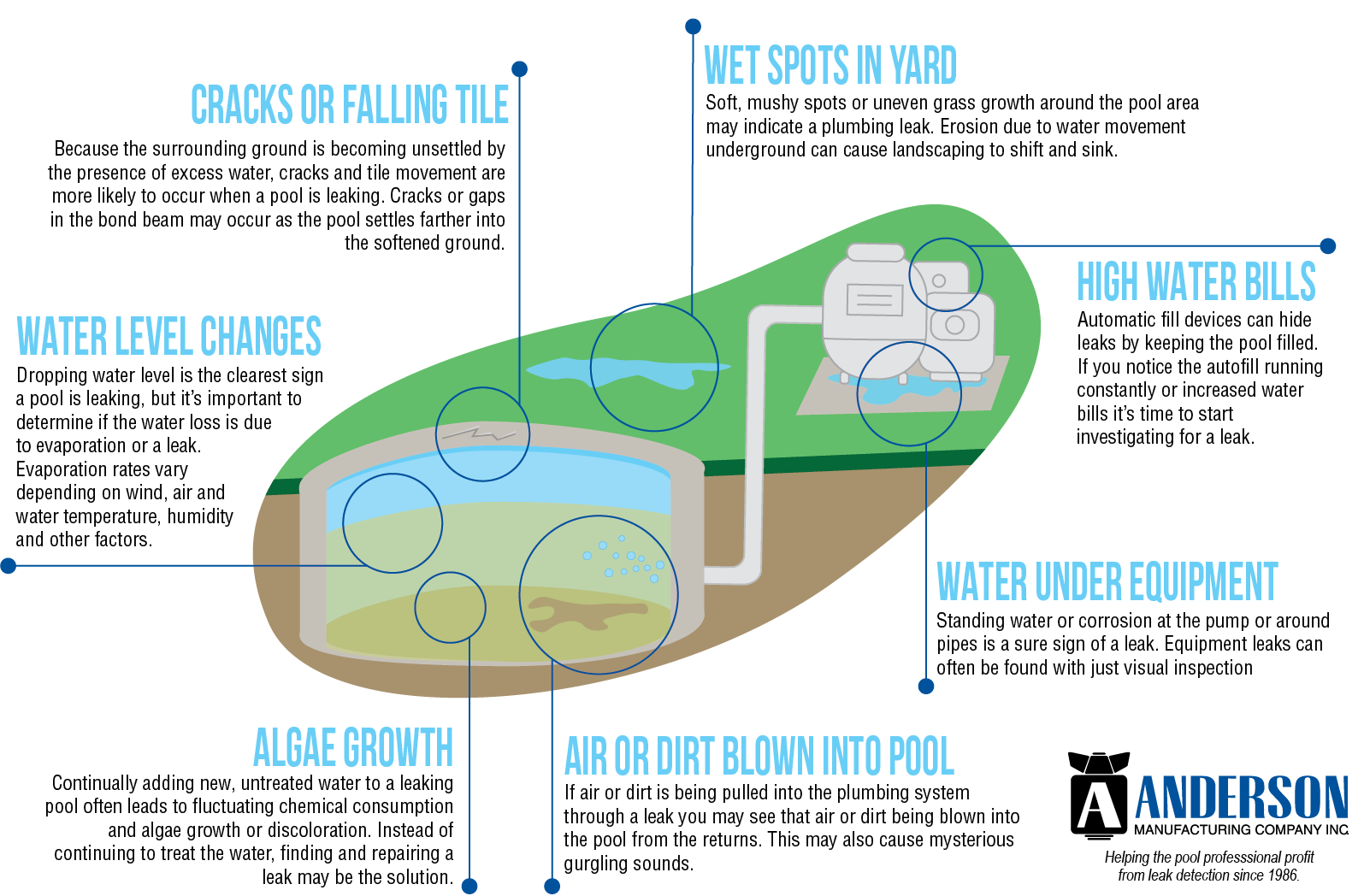
Watch for cracks or gaps in the pool walls and deck. These cracks often happen due to uneven pressure from a tilted base. Stress on the structure can lead to leaks and costly repairs. Pool tiles or coping stones may also loosen or crack.
Visual Pool Distortions
The pool shape may look warped or distorted. Straight lines like the pool edges or tile lines might seem curved or slanted. This visual distortion shows the pool is not level. It can also make the pool less safe to use.
Tools Needed For Pool Leveling
Leveling a pool after it has been filled requires the right tools. These tools help check if the pool is even and safe to use. Using proper equipment saves time and avoids damage. Below are the main tools needed for pool leveling.
Basic Measuring Tools
Start with simple tools like a tape measure and a carpenter’s level. A tape measure helps check distances and heights around the pool. A carpenter’s level shows if surfaces are flat or tilted. These tools are easy to use and widely available. They give a good first idea about the pool’s level.
Specialized Pool Leveling Equipment
For more accurate results, use tools made for leveling large areas. A laser level is one such device. It projects a constant level line across the pool area. This tool helps find uneven spots quickly. Another useful item is a transit level, often used by builders. It offers precise readings for slopes and angles.
Safety Gear Essentials
Safety matters during any pool work. Wear gloves to protect your hands from rough surfaces. Safety goggles keep debris and dust out of your eyes. Non-slip shoes help prevent accidents on wet or slippery ground. Proper safety gear keeps the work smooth and injury-free.
Assessing The Pool’s Current Level
Assessing the pool’s current level is the first step to ensure a safe and stable setup. This process shows if the pool sits evenly on the ground. Uneven pools can cause water to spill or stress the pool walls.
Check the pool’s level carefully. Use tools to find high and low points. This helps plan how to fix any unevenness before adding more water or use.
Using A Laser Level
A laser level gives accurate and quick readings. Set the laser on a stable surface near the pool. Turn it on to project a level line around the pool’s edge.
Move the laser around the pool. Look for spots where the line is above or below the pool edge. Mark these spots for adjustment.
Manual Level Checks
You can also check levels using a simple water level or a carpenter’s level. Place the tool on the pool edge or frame. See if the bubble is centered.
Check many points around the pool. This method works well for small or inflatable pools. It helps find uneven spots without special tools.
Recording Measurements
Write down all measurements clearly. Note where the pool is high or low. Use a notebook or a phone app for easy tracking.
Keep measurements organized. This makes fixing the pool easier and faster. Accurate records prevent mistakes during leveling.
Steps To Level The Pool
Leveling a pool after it has been filled is important for safety and proper function. Uneven water can cause damage or strain on the pool walls. Follow these simple steps to make sure your pool is level and secure.
Draining Water To Safe Levels
Start by lowering the water level carefully. Drain enough water to expose the low side of the pool. This prevents spills and helps you see where adjustments are needed. Use a pump or drain valve to remove water slowly. Avoid draining all water at once to protect the pool structure.
Adjusting The Pool Base
Check the ground under the pool for uneven spots. Add or remove soil or sand to make the base flat. Use a level tool to measure the surface. Make small changes and check often. The base must be firm and stable to hold water evenly.
Refilling And Monitoring
Refill the pool with water slowly after adjusting the base. Watch the water level carefully. Look for any signs of slanting or unevenness. Keep adding or removing water as needed to keep it level. Continue monitoring for several days to ensure stability.
Expert Tips For Maintaining Pool Level
Keeping your pool level after filling it is essential for safety and longevity. A level pool prevents water from spilling over one side and protects the structure from damage. Regular care helps avoid costly repairs and keeps your pool looking great.
Regular Inspection Schedule
Check your pool’s level at least once a month. Use a simple level tool or a laser level for accuracy. Look for signs like uneven water lines or tilted pool walls. Early detection helps fix small issues before they grow.
Managing Ground Movement
Soil shifts can cause your pool to become unbalanced. Watch for cracks or gaps around the pool edges. Keep plants and trees away to reduce root interference. Use gravel or sand to stabilize the ground if needed.
Preventing Future Imbalances
Keep the pool water at the right level at all times. Avoid draining too much water during cleaning or maintenance. Make sure the pool base is firm and well-compacted. Regularly check and adjust support structures under the pool.
Credit: www.gauthmath.com
When To Call A Professional
Leveling a pool after it is filled can be tricky. Some problems are easy to fix. Others need a professional’s help. Knowing when to call a professional saves time and money. It also keeps your pool safe.
Signs Of Major Structural Issues
Look for big cracks in the pool walls or floor. Pools that lean or tilt badly may have serious problems. Water leaking from the pool is a red flag. Uneven water levels can show structural damage. These signs need expert inspection and repair.
Complex Leveling Challenges
Sometimes the ground under the pool shifts or sinks. Fixing this often needs special tools and skills. Large pools or those with unusual shapes can be hard to level. Professionals know how to handle tough cases. They use the right methods to avoid more damage.
Cost And Safety Considerations
Trying to fix big issues yourself can be costly. Mistakes can make the problem worse and unsafe. Professionals offer warranties on their work. They follow safety rules to protect you and your pool. Hiring a pro can save money in the long run.
Credit: www.leaktools.com
Frequently Asked Questions
How Do I Check If My Pool Is Level After Filling It?
Use a long level or water line to check if the pool surface is even.
Can An Uneven Pool Cause Damage?
Yes, uneven pools can stress the walls and cause leaks or cracks.
What Tools Are Needed To Level A Filled Pool?
You need a level, water hose, sand or soil, and a shovel.
How Long Does It Take To Level A Pool After Filling?
It usually takes a few hours to a day depending on the adjustment needed.
Is It Safe To Drain Water To Level The Pool?
Draining some water is safe but do it carefully to avoid damage.
Can I Fix A Sloped Pool Myself?
Yes, with basic tools and patience, you can level minor slopes yourself.
Conclusion
Leveling a pool after filling it helps keep water balanced and safe. Check the edges and surface often for any dips or high spots. Use a long straight board and a level to find uneven areas. Fix small problems early to avoid bigger repairs later.
A level pool looks better and works well for swimming. Taking simple steps keeps your pool ready for fun and relaxation. Keep an eye on it regularly to enjoy clear, clean water all season.