
You’ve worked hard to keep your pool clean and protected, but rainwater pooling on your cover can cause real headaches. It adds weight, damages the cover, and makes maintenance tougher than it needs to be.
Imagine a simple way to keep that water off, saving you time, effort, and money. You’ll discover easy and effective tips that anyone can use to protect their pool cover from rainwater buildup. Keep reading, and you’ll never have to struggle with a soggy, heavy pool cover again.
Common Rainwater Issues
Rainwater on a pool cover creates common problems. These issues affect the cover’s life and the pool’s safety. Understanding these problems helps protect your pool better.
Pooling Effects
Rainwater collects on the cover surface. Pooled water forms heavy, sagging spots. These pools stretch the cover fabric. Water pools can trap dirt and debris. This makes cleaning the cover harder. Standing water also attracts insects and algae. It creates a messy, unhealthy pool area.
Damage Risks
Heavy water weight strains the pool cover. It can tear seams or fabric over time. Water may seep through weak spots. This allows dirt and leaves into the pool. The cover’s straps and anchors can also break. Damage increases repair or replacement costs. Protecting the cover prevents these issues early.
Choosing The Right Pool Cover
Choosing the right pool cover helps keep rainwater off your pool. A good cover stops water from collecting on top. This protects your pool and makes cleaning easier. The right cover lasts longer and fits better. Both factors reduce water buildup on the surface.
Material Options
Pool covers come in different materials. Vinyl covers are strong and water-resistant. They block rainwater well and prevent dirt from entering. Mesh covers let water drain through but keep leaves out. They reduce water weight but may let rainwater pass. Solid covers stop all water but can trap rain on top. Choose a material based on your climate and pool use.
Proper Fit
A cover that fits well keeps rainwater off better. It should stretch tightly over the pool edges. Loose covers sag and collect rainwater. Measure your pool carefully before buying a cover. A snug fit prevents water from pooling. Use straps or clips to hold the cover firmly in place. This stops rainwater from gathering and keeps your pool cleaner.
Effective Water Drainage Techniques
Keeping rainwater off your pool cover is important. Standing water can cause damage and create extra work. Effective water drainage techniques help water flow off easily. These methods keep your cover dry and extend its life.
Slope Setup
Setting up a slope on your pool cover helps water drain naturally. The cover should tilt slightly toward one side. This tilt allows rainwater to flow off instead of pooling. You can use small blocks or supports to create the slope. Check the angle regularly to keep water moving away from the cover.
Drainage Holes
Drainage holes let trapped water escape from the cover. These small holes prevent water from collecting in the middle. Place holes in low spots where water tends to gather. Use a sharp tool to make holes without damaging the cover. Make sure holes are not too big to avoid debris entry.

Credit: www.reddit.com
Using Support Tools
Keeping rainwater off your pool cover is important. Water can damage the cover or cause it to sag. Support tools help keep the cover tight and dry. These tools hold the cover up and let water run off easily. Two popular support tools are cover pumps and inflatable pillows.
Cover Pumps
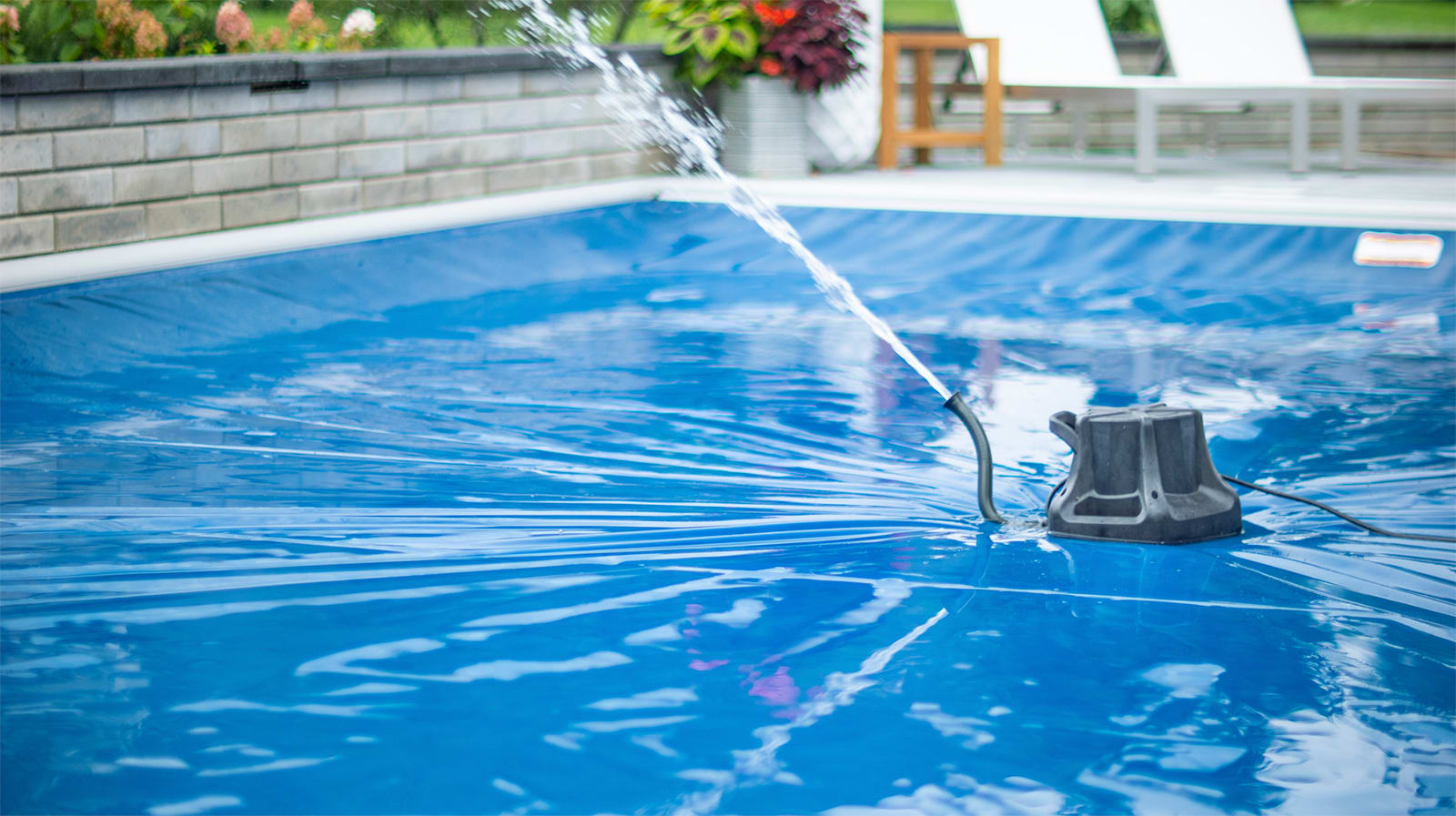
Cover pumps remove water that collects on the pool cover. They are small and easy to use. Place the pump on the cover where water gathers. The pump will suck up the water and send it away. This stops water from weighing down the cover. Many cover pumps run on batteries or electricity. They work quietly and need little attention.
Inflatable Pillows
Inflatable pillows go under the pool cover. They push the cover up in the middle of the pool. This creates a slope for rainwater to flow off. Pillows are made of durable plastic and fill with air. They are simple to install and remove. These pillows reduce water pooling and protect the cover from damage.
Regular Maintenance Tips
Keeping rain water off your pool cover extends its life and keeps your pool safe. Regular maintenance helps prevent water buildup and damage. Simple tasks done often make a big difference. Focus on clearing debris and checking for tears regularly. These steps keep the cover strong and dry.
Clearing Debris
Remove leaves, twigs, and dirt from the pool cover. Debris holds rainwater, causing pools on the cover. Use a soft broom or leaf blower to clear the surface gently. Clean the cover after every rain or windy day. This stops water from pooling and reduces stress on the cover.
Inspecting For Tears
Check the pool cover for holes or tears regularly. Small rips let water seep under the cover. Use a bright light or check in sunlight to spot damage easily. Repair tears quickly with a patch kit or tape made for pool covers. Keeping the cover intact stops water buildup and protects your pool.
Credit: poolpatrol.ca
Seasonal Adjustments
Seasonal changes affect how rainwater collects on your pool cover. Adjusting your cover setup can help reduce water buildup. Proper care during different seasons keeps your pool safe and clean.
Winter Preparations
Before winter starts, clear debris from the pool cover. Remove leaves and dirt to prevent holes. Tighten the cover to stop sagging. Use a cover pump to remove any water. This avoids heavy water pooling that can damage the cover. Check the cover regularly for tears or loose spots. Fix small problems before winter worsens them.
Rainy Season Care
During the rainy season, water collects quickly on the pool cover. Use a lightweight tarp over the cover to help water run off. Place inflatable pillows or foam floats under the cover. They lift the cover and stop water from pooling. Check the cover after each heavy rain. Remove excess water with a cover pump or siphon. Keep the cover tight to prevent sagging and water traps.

Credit: www.youtube.com
Frequently Asked Questions
How Can I Prevent Rainwater From Pooling On My Pool Cover?
Use a water tube or weighted ball to push rainwater off the cover. This stops water buildup.
What Tools Help Keep Rainwater Off A Pool Cover?
Water tubes, pumps, and cover clips help move or remove rainwater efficiently.
Is It Necessary To Remove Rainwater From A Pool Cover?
Yes. Rainwater can stretch the cover and cause damage if left too long.
How Often Should I Check My Pool Cover After Rain?
Check the cover right after rain to remove water and prevent damage quickly.
Can A Pool Cover Pump Protect Against Rainwater?
Yes. A pump removes rainwater automatically, keeping the cover dry and safe.
What Happens If Rainwater Stays On A Pool Cover Too Long?
Water can tear the cover, add weight, and cause dirt buildup. Remove it fast.
Conclusion
Keeping rainwater off your pool cover protects it from damage. Use pumps or covers with good drainage to stop water buildup. Regularly check and remove any standing water to keep the cover dry. This care helps extend your pool cover’s life and keeps your pool clean.
Simple steps can save you time and money later. Stay consistent with maintenance to enjoy a safe, well-kept pool year-round. Small efforts make a big difference.