
Is your pool looking uneven or causing water to collect on one side? An unlevel pool can ruin your swimming experience and even damage your pool structure over time.
But don’t worry—you don’t have to live with it or call expensive professionals right away. You’ll discover simple, effective steps to fix your unlevel pool and bring back that perfect, even surface you want. Keep reading, and you’ll learn how to protect your pool and enjoy it safely for years to come.
Signs Of An Unlevel Pool
Noticing an unlevel pool early can save you from costly repairs. Pools that are not level show clear signs. These signs affect safety, comfort, and pool life. Understanding these signs helps you act fast. Spotting problems early keeps your pool safe and beautiful.
Water Line Irregularities
The water line should be even all around the pool. Uneven water levels show the pool is unlevel. Water may appear higher on one side. You might see water spilling over or pooling in corners. These changes affect pool cleaning and water balance.
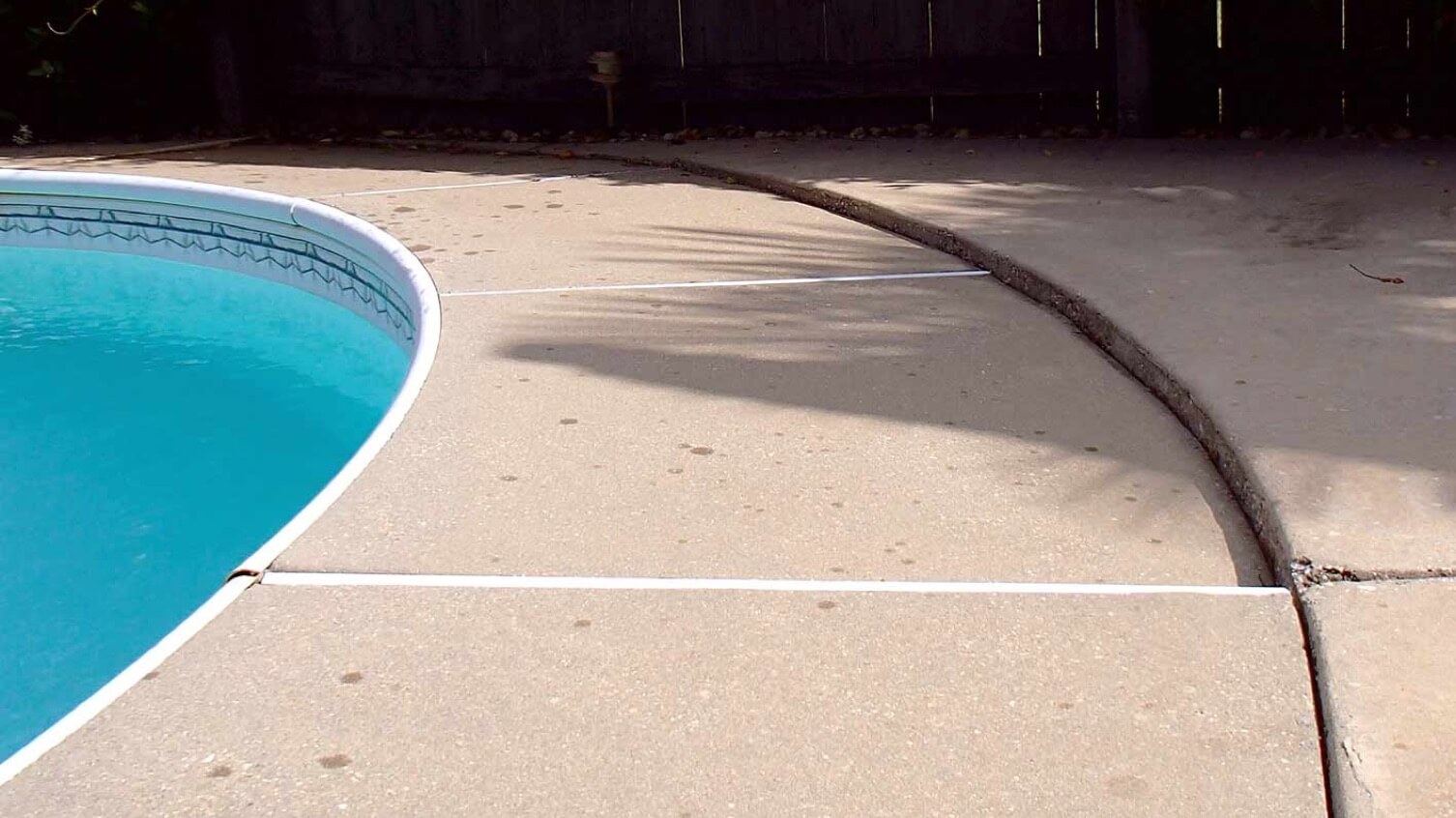
Uneven Pool Deck
Look closely at the pool deck surface. A sloping or uneven deck often means the pool is unlevel. You may notice gaps or cracks between the deck and pool edge. Standing water on the deck after rain is another sign. This makes walking unsafe and may damage the deck.
Structural Cracks And Damage
Cracks in the pool walls or floor suggest structural stress. These cracks often form because the pool is shifting. You may see small hairline cracks or bigger breaks. Damage like broken tiles or loose coping can appear too. Ignoring these signs risks bigger problems later.
Credit: www.foundationsupportworks.com
Causes Of Pool Unevenness
Uneven pools cause many problems. They can lead to water imbalance and damage. Knowing the causes helps fix the issue faster. Below are common reasons why pools become unlevel.
Soil Settlement Issues
Soil under the pool can shift or settle over time. This movement makes the pool surface tilt or crack. Poor soil compaction before installation often causes this. Heavy rain or flooding can also wash away soil, creating gaps.
Poor Initial Installation
Incorrect pool setup causes uneven surfaces. If the base is not leveled properly, the pool will tilt. Using low-quality materials can worsen this problem. Skipping essential steps during installation affects pool stability.
Water Pressure Effects
Water inside the pool pushes outward on walls and floor. Uneven pressure can cause the pool to bulge or shift. Improper drainage around the pool increases water pressure underground. This pressure moves soil and damages the pool structure.
Tools And Materials Needed
Fixing an unlevel pool needs the right tools and materials. These help you check the level and repair the problem safely. Having everything ready saves time and effort. It makes the process smoother and more accurate.
Leveling Instruments
Start with a good level. A laser level works best for pools. It shows exact height differences. A bubble level can also work for small areas. Use a measuring tape to check distances. Mark spots that need fixing.
Repair Supplies
Choose strong patching material for cracks or holes. Pool cement or epoxy works well. Sand or soil helps fill uneven ground. A shovel and rake are needed to move dirt. Waterproof sealant keeps the pool safe from leaks.
Safety Gear
Wear gloves to protect your hands. Safety goggles keep dirt and chemicals out of your eyes. Use a mask if working with dust or fumes. Non-slip shoes prevent accidents near wet areas. Keep first aid nearby for emergencies.

Credit: www.gothrasher.com
Preparing The Pool Area
Preparing the pool area is the first step to fix an unlevel pool. This stage ensures safety and helps you work smoothly. It also lets you see the problem clearly. Taking time now saves effort later.
Draining The Pool
Remove all water from the pool before starting any repair. Use a pump or drain system. Make sure the pool is completely dry. This prevents accidents and gives a clear view of the surface. Draining also stops damage to pool parts during repair.
Cleaning The Surface
Clear dirt, leaves, and debris from the pool floor and walls. Use a brush or pool vacuum. A clean surface shows any cracks or damage. It also helps repair materials stick better. Cleaning makes the pool safer to work in.
Inspecting For Damage
Look closely for cracks, chips, or worn areas on the pool surface. Check the pool edges and surrounding ground too. Note any damage you find. This helps plan the fix and avoid surprises. Detecting issues early prevents bigger problems later.
Step-by-step Pool Leveling Process
Fixing an unlevel pool requires careful steps. Following a clear process ensures safety and long-lasting results. This guide breaks down the pool leveling into easy parts. Each step focuses on a key task. Take time to complete each one correctly.
Measuring The Pool’s Level
Start by checking the pool’s current level. Use a long spirit level or laser level. Place it at different points around the pool edge. Mark spots that are higher or lower. This shows how much adjustment is needed. Record measurements for each side. Clear notes help plan the next steps.
Adjusting The Pool Structure
Next, adjust the pool frame or walls. Loosen or raise sections that sit too low. Lower parts that are too high, if possible. Use wooden shims or blocks to support raised areas. Keep checking the level as you adjust. Work slowly to avoid damage or shifting.
Reinforcing The Base
After leveling the structure, reinforce the base. Add compacted sand or gravel to low spots. Use a tamper or plate compactor to firm the base. This prevents future sinking or movement. Make sure the base is smooth and even. A strong base supports the pool properly.
Refilling And Testing
Refill the pool with water gradually. Watch the water level for any changes. Check again with your level tool around the edges. The pool should hold water evenly without tilting. Let the pool sit for a few days. Monitor for any signs of shifting or leaks.

Credit: www.youtube.com
Preventing Future Unevenness
Preventing future unevenness in your pool saves time and money. A level pool stays safer and looks better. Small problems can grow if ignored. Taking simple steps helps keep your pool stable. Focus on maintenance, drainage, and regular checks.
Regular Maintenance Tips
Clean your pool area often. Remove debris that can trap water. Check pool walls and floor for cracks. Fix small cracks quickly to stop spreading. Keep pool water balanced to avoid damage. Use the right cleaning tools carefully. Regular care helps maintain pool shape and level.
Proper Drainage Solutions
Water buildup around the pool causes shifting. Use drains to move water away from the pool. Check gutters and downspouts for clogs. Add gravel or sand to improve soil drainage. Avoid planting trees too close to the pool. Roots can disturb the ground under the pool. Proper drainage keeps soil stable and prevents sinking.
Seasonal Inspections
Inspect your pool every season. Look for signs of sinking or tilting. Check the pool deck and surrounding soil. Winter frost can lift and crack pool surfaces. Summer heat may dry and shrink soil. Catch problems early to fix before they grow. Regular inspections keep your pool safe and even.
When To Call A Professional
Knowing when to call a professional for an unlevel pool can save time and money. Some pool problems look simple but need expert care. Pool surfaces, plumbing, and structural issues often require special skills.
Trusting a professional avoids mistakes and keeps your pool safe. Experts have tools and experience to fix problems properly. They also spot hidden damage that you might miss.
Identifying Complex Issues
Some pool problems are easy to fix. Others are not. Cracks in the pool shell, uneven ground, or sinking areas can be complex. These issues affect the pool’s stability and safety. If you see large cracks or water loss, call a professional. They can check the pool’s foundation and structure. Problems with plumbing or leaks also need expert help. Trying to fix these alone may cause more damage.
Cost Considerations
Fixing an unlevel pool can cost less with early action. Small fixes might be cheap. Big problems need more money and time. Professionals give accurate cost estimates. They know the best methods to save money long term. Avoid quick fixes that can lead to bigger repairs. Spending on expert repairs now can prevent costly damage later.
Choosing The Right Expert
Pick a pool professional with good experience and reputation. Check reviews and ask for references. Experts should have proper licenses and insurance. They use quality materials and tools. Clear communication is important. The right expert explains the problem and repair steps. Avoid hiring the cheapest option. Quality work matters most for lasting results.
Frequently Asked Questions
How Do I Know If My Pool Is Unlevel?
Check for uneven water levels or cracks in the pool walls and floor.
What Causes A Pool To Become Unlevel?
Soil settling, poor installation, or heavy rain can cause pool unevenness.
Can I Fix An Unlevel Pool Myself?
Small unevenness can be fixed with DIY methods, but major issues need a pro.
What Tools Do I Need To Level My Pool?
A level, shovel, and possibly a compactor help adjust and stabilize the pool base.
How Long Does It Take To Fix An Unlevel Pool?
Simple fixes may take a few hours; major repairs can take several days.
Will Fixing An Unlevel Pool Prevent Future Damage?
Yes, proper leveling reduces stress on the pool, preventing cracks and leaks later.
Conclusion
Fixing an unlevel pool helps keep it safe and enjoyable. Small adjustments can make a big difference in water flow. Regular checks prevent damage and costly repairs later. Use simple tools and take your time for best results. A level pool looks better and works properly too.
Keep your pool steady, so you can relax without worries. Simple steps lead to a smooth, even surface. Start fixing now to protect your pool investment.