
Is your pool pump housing cracked and causing you headaches? You’re not alone, and the good news is that you don’t have to replace the entire unit just yet.
Fixing a cracked pool pump housing can save you time, money, and the hassle of dealing with a full repair. You’ll discover simple, effective steps to get your pump back in shape quickly. Keep reading, because the solution might be easier than you think—and your pool will thank you for it.
Identify The Crack
Identifying the crack in your pool pump housing is the first step to fix it properly. You need to find the exact spot where the damage happened. This helps you decide the best way to repair it. A careful check can save you time and money.
Take your time to inspect the pump housing closely. Small cracks can be hard to see but cause big problems. Using good light makes the job easier. Look at all sides of the housing for any signs of damage.
Locate Visible Damage
Look closely for cracks or breaks on the pump housing surface. Use a flashlight to see small or thin cracks better. Check around the pump lid, bolts, and joints where cracks often appear. Mark any visible damage with a piece of tape or a marker.
Check For Leaks And Drips
Leaks show where the crack might be. Run the pump and watch for water dripping or pooling. Look under the pump and around the housing base. Water stains or wet spots can guide you to hidden cracks. Dry the area and watch again to catch slow leaks.
Gather Repair Materials
Before fixing a cracked pool pump housing, gather the right materials. Having everything ready saves time and ensures a smooth repair process. Proper tools and supplies improve the repair quality and durability. Focus on selecting the right epoxy or sealant and preparing cleaning supplies.
Select Suitable Epoxy Or Sealant
Choose an epoxy or sealant made for plastic or pool equipment. It must bond well to the pump housing material. Look for waterproof and weather-resistant products. These types last longer and handle pool water conditions. Read product labels carefully to confirm compatibility.
Prepare Cleaning Supplies
Clean the cracked area before applying epoxy or sealant. Gather rubbing alcohol, a brush, and clean cloths. Rubbing alcohol removes dirt, grease, and oils effectively. Use the brush to scrub the damaged area gently. Dry the surface fully with a cloth before repair. Clean surfaces help the epoxy stick better and last longer.
Prepare The Pump Housing
Preparing the pump housing is the first step to fix a cracked pool pump. Proper preparation makes the repair last longer and work better. You must handle the pump carefully to avoid more damage. The housing needs to be clean and dry before you start fixing.
Follow these steps to prepare your pump housing correctly. This will help the repair material stick well. Take your time. Rushing can cause mistakes and weak repairs.
Turn Off And Drain The Pump
First, switch off the pool pump. Unplug it from the power source for safety. Next, open the drain plug to empty all water inside. You can use a bucket to catch the water. This step stops leaks during the repair. It also makes the housing dry and ready.
Clean The Surface Thoroughly
Use a brush or cloth to remove dirt from the crack area. Clean off algae, grease, and old sealant. Rinse the surface with fresh water. Let it dry completely before applying any repair material. A clean surface helps the patch stick tightly. Avoid touching the cleaned area with dirty hands.

Credit: www.thehandymanjohannesburg.co.za
Apply The Repair Solution
Applying the repair solution is a key step in fixing a cracked pool pump housing. This step stops leaks and keeps your pump working well. Using the right repair material and applying it carefully will make the fix strong and long-lasting. Follow the steps below to mix and apply the epoxy correctly.
Mix Epoxy Correctly
Start by reading the epoxy instructions carefully. Use equal parts of resin and hardener for best results. Mix them in a clean container until the color looks even. Avoid mixing too fast to prevent bubbles. A smooth, uniform mix helps the epoxy stick well.
Fill And Seal The Crack
Clean the crack area before applying epoxy. Use a small brush or putty knife to spread the epoxy into the crack. Press the epoxy firmly to fill all gaps. Smooth the surface to avoid bumps. Let it dry completely as per instructions for a strong seal.
Allow Repair To Cure
Allowing the repair to fully cure is a key step in fixing a cracked pool pump housing. This process lets the materials harden and bond properly. Skipping or rushing this step can cause the repair to fail. Patience here saves time and money later.
Follow Recommended Drying Time
Each repair material has a specific drying time. Check the product instructions carefully. Let the repair dry for the full time suggested. Rushing the drying can weaken the fix. A strong bond needs proper curing.
Avoid Disturbing The Repair Area
Keep the repair area still and clean while it cures. Do not touch, move, or test the repair too soon. Vibrations or pressure can break the seal. Protect the area from dust and water during curing. This helps the repair last longer.
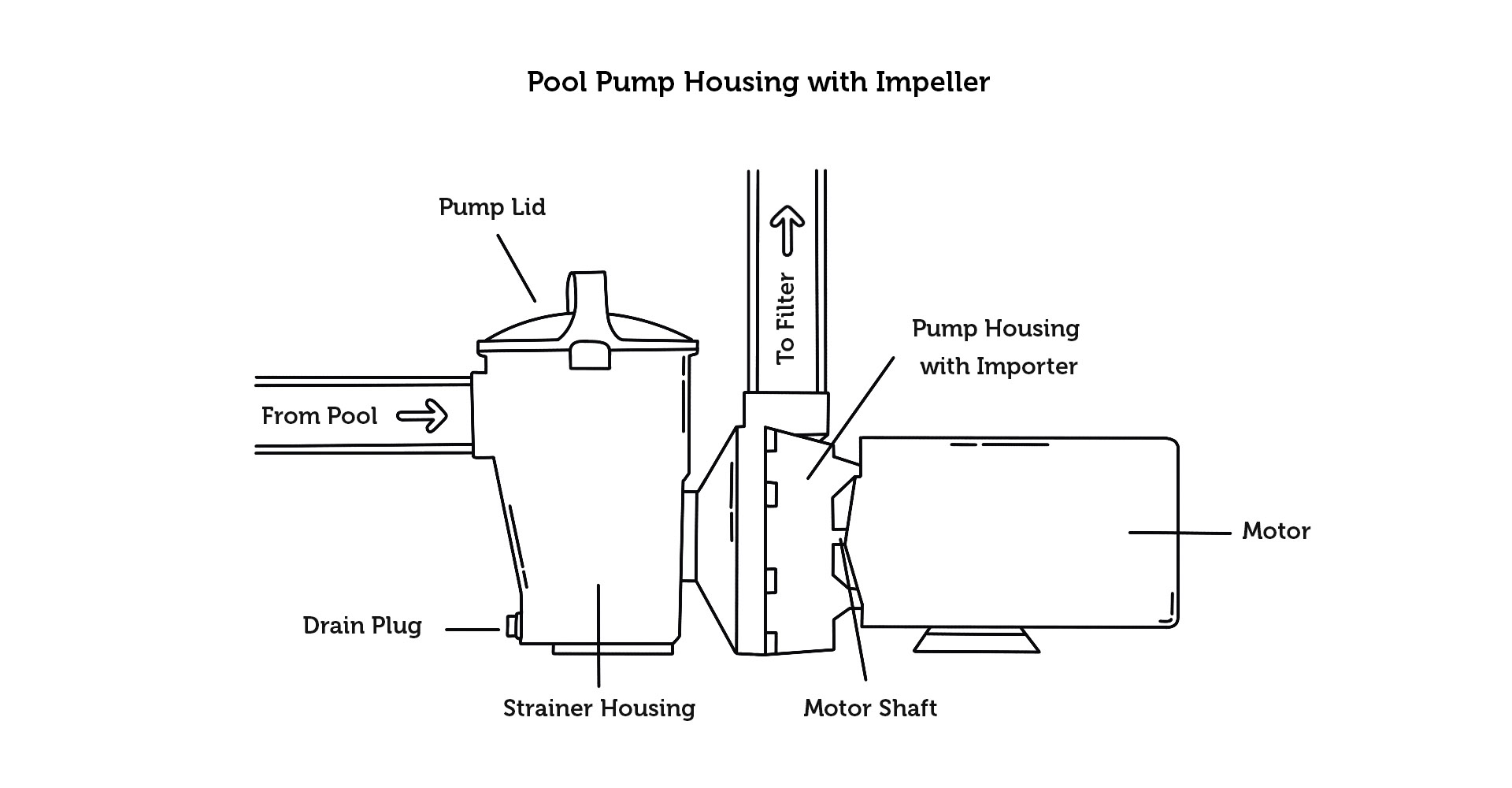
Credit: dolphinpacific.co.nz
Test The Repair
After repairing a cracked pool pump housing, testing the repair is essential. This step ensures the fix holds and the pump works properly. Testing helps catch any issues before full use. It saves time and prevents further damage.
Refill And Restart The Pump
First, refill the pump with water. Make sure the water level matches the pump’s requirements. Then, plug the pump back in and turn it on. Listen carefully for unusual sounds. Watch the pump closely as it starts running.
Check For Continued Leaks
Look around the repaired area for any water dripping. Use a dry cloth to spot moisture. Check the pump housing and nearby fittings. Keep the pump running for several minutes. If no leaks appear, the repair is successful. If leaks continue, the crack may need more attention.
Prevent Future Cracks
Preventing future cracks in your pool pump housing is key to keeping your pool running smoothly. Small cracks can turn into big problems fast. Taking steps to protect the housing will save you time and money. Simple care habits keep the pump strong and reliable for years.
Regular Maintenance Tips
Check the pump housing often for signs of wear or damage. Clean debris from the pump and surrounding areas regularly. Tighten loose bolts and fittings to avoid stress on the housing. Replace worn seals and gaskets to prevent leaks. Follow the manufacturer’s maintenance schedule closely to catch problems early.
Avoid Freezing And Overheating
Protect the pump from freezing temperatures during winter. Drain water from the pump if you close the pool for the season. Use insulation or a pump cover to shield it from cold weather. Avoid running the pump in extremely hot conditions. Overheating can weaken the housing and cause cracks. Monitor the pump’s temperature and ensure proper ventilation.
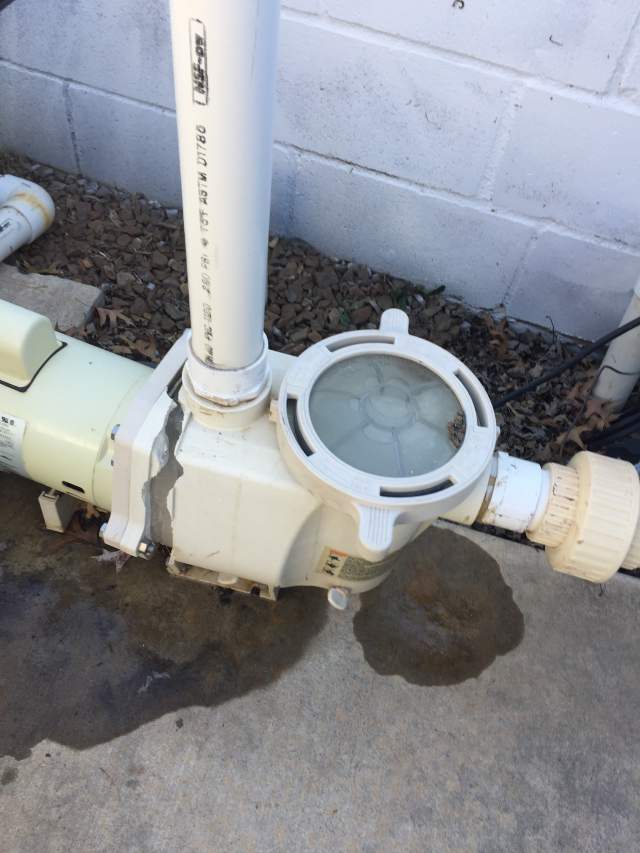
Credit: www.metro-pool-service.com
Frequently Asked Questions
How Can I Identify A Cracked Pool Pump Housing?
Look for water leaks, unusual noises, or visible cracks on the pump’s outer shell.
What Materials Are Best For Repairing A Cracked Pool Pump Housing?
Use waterproof epoxy or plastic welding kits designed for pool equipment repairs.
Can A Cracked Pool Pump Housing Be Fixed Without Professional Help?
Yes, simple cracks can be repaired at home with the right tools and materials.
How Long Does It Take To Fix A Cracked Pool Pump Housing?
Small repairs usually take 30 minutes to an hour to complete.
Is It Safe To Use A Repaired Pool Pump Housing?
Yes, if repaired correctly, the housing will function safely without leaks.
When Should I Replace The Pool Pump Housing Instead Of Fixing It?
Replace if cracks are large, the housing is brittle, or repairs fail repeatedly.
Conclusion
Fixing a cracked pool pump housing saves money and extends pump life. Small cracks can cause leaks and reduce pump efficiency. Acting quickly prevents bigger problems and costly repairs. Use the right tools and follow steps carefully for best results.
Regular checks help catch cracks early and keep your pump working well. A well-maintained pool pump means clearer water and better pool fun. Keep your pool pump in good shape with simple care.