
Are you ready to transform your backyard with an Intex pool but unsure how to set it up in the ground? Dropping an Intex pool into your yard might seem tricky, but with the right steps, you can create a cool, relaxing oasis right outside your door.
Imagine stepping into your own private pool anytime you want, without the hassle of complicated installation or expensive equipment. In this guide, you’ll discover simple, clear instructions that make the process easy and stress-free. Keep reading, and you’ll learn exactly how to get your Intex pool perfectly placed in the ground, so you can start enjoying your summer like never before.
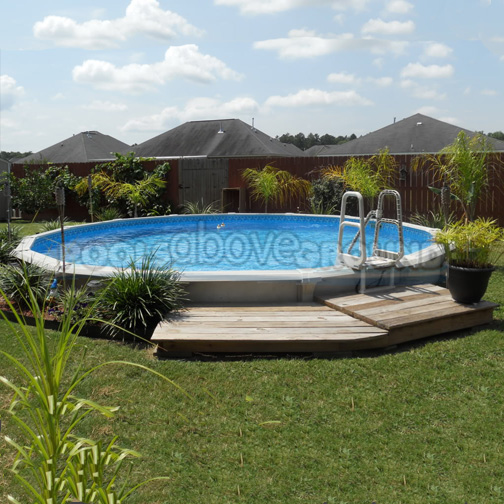
Credit: ocalaabovegroundpools.com
Choosing The Right Location
Choosing the right location for your Intex pool is the first step to a safe and fun setup. The spot must be flat, sunny, and free from danger. Picking the best place helps keep the pool stable and enjoyable.
Assessing Ground Level
Make sure the ground is flat and even. Uneven surfaces can cause water to spill or the pool to tip. Use a level tool or a long straight board to check for bumps or slopes. Remove rocks and debris that might damage the pool bottom. A smooth surface helps the pool sit firmly and last longer.
Checking Sun Exposure
Choose a place that gets plenty of sunlight. Sunlight warms the water and makes swimming more pleasant. Avoid spots shaded by trees or buildings. Too much shade can cool the water and cause algae growth. Direct sun also helps dry the pool deck quickly after swimming.
Avoiding Hazards
Stay clear of power lines, sharp objects, and low branches. These hazards can cause accidents or damage the pool. Avoid areas near slopes or drainage paths to prevent water flooding. Check for underground cables or pipes before digging. Safety is key to enjoying your pool worry-free.
Gathering Necessary Tools
Gathering the right tools is the first step to drop your Intex pool in the ground. This step makes the process easier and safer. Using correct equipment saves time and prevents damage.
Prepare everything before starting. Check each item carefully. Having all tools ready helps the project go smoothly.
List Of Required Equipment
Shovel and spade for digging the hole. Measuring tape to check pool size and depth. Level tool to keep the ground flat. Rake to smooth the surface. Wheelbarrow for moving soil. Garden hose to wet the ground. Tarp to protect the pool base. Utility knife to open packages and trim materials.
Safety Gear Essentials
Wear gloves to protect your hands from dirt and sharp objects. Use safety glasses to shield your eyes from dust. Wear sturdy boots to protect your feet. Consider knee pads for comfort while kneeling. Dress in long sleeves and pants to avoid scratches. Keep a first aid kit nearby for emergencies.
Preparing The Ground
Preparing the ground is the first step to placing an Intex pool in the ground. It helps ensure the pool stays stable and safe. Careful preparation makes the pool last longer and prevents damage. Follow these steps to get the ground ready.
Clearing Debris And Vegetation
Start by removing all debris from the area. Pick up sticks, rocks, and leaves. Clear away grass, roots, and plants. This prevents holes or bumps under the pool. A clean space helps the pool sit evenly on the ground.
Leveling The Surface
Check if the ground is flat. Use a level tool or a straight board to find low spots. Fill holes with sand or soil. Remove high spots by digging them out. A level surface stops water from pooling on one side.
Creating A Stable Base
Lay down a layer of sand or fine gravel. Spread it evenly across the area. Use a tamper or flat board to press it down. This base supports the pool and keeps it from sinking. A firm base protects the pool’s bottom from damage.
Digging The Hole
Digging the hole is the first big step to set your Intex pool in the ground. The hole must be just right. Too big or too small can cause problems later. Careful planning and work will help your pool fit perfectly. It also keeps the pool stable and safe for use.
Prepare your tools and mark the area clearly. Take your time and dig carefully. A well-dug hole makes the rest of the pool setup easier and faster.
Determining Hole Dimensions
Measure your pool’s diameter and depth. Add extra space around the edges. This space allows room for pool walls and supports. Check the pool manual for exact size needs. Use a rope or spray paint to mark the hole on the ground. Make sure the shape matches the pool’s round or oval form.
Excavation Techniques
Start digging from the center outwards. Use a shovel or small excavator for best results. Remove rocks, roots, and debris as you dig. Level the bottom by removing high spots. Fill low spots with soil and pack it down. Keep the sides straight and smooth to prevent soil collapse.
Ensuring Proper Depth
Check the pool’s recommended depth in the manual. Dig the hole slightly deeper than the pool’s base. This space helps with leveling and drainage. Use a level tool to check the bottom’s flatness. Add or remove soil to keep the depth even. Proper depth prevents water from leaking or pooling outside.
Installing The Pool
Installing the Intex pool into the ground is a careful process. It requires focus and steady hands to avoid damage. This step ensures your pool sits firmly and looks great.
Follow each stage closely for a safe setup. Taking time here saves repair and adjustment later.
Placing The Pool In The Hole
Begin by lifting the pool gently. Lower it slowly into the dug hole. Avoid dragging the pool on the ground. Check that the pool fits snugly inside the hole. Make sure the bottom lies flat with no wrinkles.
Securing Pool Edges
Once the pool sits well, secure its edges. Use sand or soft soil around the edges for support. Press down lightly but firmly. This stops the pool from moving. Keep the pool liner tight and smooth.
Checking For Alignment
Look at the pool from all sides. Check if it stands level and straight. Use a level tool or a long board. Adjust the pool’s position if needed. Correct alignment prevents water from spilling unevenly.
Backfilling And Stabilizing
Backfilling and stabilizing are key steps after placing your Intex pool in the ground. These steps help secure the pool and protect its structure. Proper backfilling prevents damage and keeps the pool steady. Stabilizing the soil around the pool stops it from moving or sinking. This process ensures a safe and long-lasting pool setup.
Filling Gaps Around Pool
Fill all empty spaces between the pool and the ground. Use clean soil or sand for this task. Avoid rocks or debris that can damage the pool walls. Fill slowly and evenly to avoid air pockets. Air pockets can cause weak spots and instability. Take care to fill every gap completely.
Compacting Soil
Compact the soil after filling gaps. Use a hand tamper or a mechanical compactor for best results. Compacting removes air and makes the soil firm. This supports the pool evenly and stops sinking. Compact small layers of soil at a time. Avoid rushing to keep the soil stable and strong.
Preventing Shifts
Prevent soil shifts by creating a stable base around the pool. Add a layer of gravel or crushed stone for extra drainage. Good drainage stops water from softening the soil. Water can cause the pool to move or tilt. Check the soil regularly and add more soil if needed. Keeping the pool steady avoids costly repairs later.
Filling And Testing
Filling and testing your Intex pool is a key step after setting it in the ground. This process ensures the pool holds water well and stays stable. Taking your time here prevents problems later. Check every part carefully as you fill and test the pool.
Adding Water Gradually
Start filling the pool slowly. Use a hose or buckets to add water bit by bit. This helps the pool adjust to the pressure evenly. Watch the walls and floor for any signs of stress. Pausing often lets the pool settle well before more water comes in.
Monitoring Pool Stability
Keep an eye on the pool’s shape. Look for any bulges or shifts in the walls. The ground under the pool must stay firm. If you see movement, stop filling and check the base. Stability means the pool will last longer and stay safe.
Inspecting For Leaks
Look closely for any wet spots outside the pool. Small leaks may cause water to disappear quickly. Check seams and corners carefully. Use your hand to feel for moisture around the pool edges. Fix leaks early to avoid bigger issues later.

Credit: www.youtube.com
Maintenance Tips
Maintaining your Intex pool in the ground keeps it clean and safe. Regular care helps the pool last longer. It also ensures water stays clear and healthy for swimmers. Follow these simple tips to enjoy your pool every day.
Regular Cleaning
Remove leaves and debris from the pool daily. Use a net skimmer to catch floating dirt. Brush the pool walls and floor weekly to stop algae growth. Vacuum the pool bottom to pick up settled dirt. Clean the filter regularly to keep water flowing well.
Water Treatment
Test pool water twice a week for pH and chlorine levels. Keep pH between 7.2 and 7.6 for safe swimming. Add chlorine to kill germs and bacteria. Use algaecide to prevent green algae buildup. Shock the pool water every two weeks to clear cloudy water.
Seasonal Care
Prepare the pool for winter by draining water below the skimmer level. Remove and clean all accessories before storing. Cover the pool tightly to stop dirt and animals from entering. In spring, clean and refill the pool before use. Check all equipment for damage and repair if needed.

Credit: www.amazon.com
Frequently Asked Questions
How Do I Prepare The Ground For An Intex Pool?
Clear the area, level the soil, and remove sharp objects before placing the pool.
Can I Fully Bury My Intex Pool Underground?
Intex pools are not designed for full burial; partial in-ground setups are safer.
What Tools Do I Need To Drop An Intex Pool In Ground?
Basic tools include a shovel, level, tape measure, and a tamper for soil.
How Much Space Is Needed Around The Pool?
Leave at least 2 feet of space around the pool for safety and maintenance.
How Do I Keep The Pool Stable In The Ground?
Compact the soil well and use a sand base to support the pool floor.
What Safety Tips Should I Follow When Installing The Pool?
Ensure the area is clear of hazards and supervise children near the pool always.
Conclusion
Dropping an Intex pool in the ground can be simple and fun. Follow the steps carefully for the best results. Make sure the ground is level and clear before starting. Take your time to avoid mistakes and damage. A well-set pool brings cool water and joy all summer.
Enjoy your safe, clean, and sturdy pool with friends and family. Keep it maintained for longer use and more fun. Your backyard can become a perfect spot for relaxation and play.