
If you want to protect your pool plumbing from winter damage, blowing out the lines is a must. But using a shop vac to do it might seem tricky if you’re not sure where to start.
Don’t worry—this guide will show you step-by-step how to blow out your pool lines quickly and safely. By the end, you’ll save money on repairs and keep your pool ready for the next season. Ready to learn the simple trick that every pool owner should know?
Let’s dive in!
Tools And Materials Needed
Preparing to blow out pool lines with a shop vac requires the right tools and materials. Having everything ready makes the job easier and faster. This section covers the essential items to gather before starting.
Shop Vac Selection
Choose a shop vac with strong suction power. At least 5 horsepower works well. A wet/dry model is best because it handles water and debris.
Check the hose diameter. A wider hose fits better on pool line openings. This helps create a tight seal to push air through the pipes.
Look for a shop vac with adjustable suction. You can control the airflow to avoid pipe damage. Also, a large tank holds more water and reduces emptying.
Additional Supplies
Gather a few extra items to complete the job smoothly. Use rubber gloves to protect your hands from cold water and dirt.
Have a garden hose handy to drain or rinse lines before blowing air. Towel or rags help clean up any spills or wet areas.
Use duct tape or a pool plug to seal the line opening tightly around the shop vac hose. This prevents air leaks for better pressure.
A screwdriver or wrench may be needed to open pool line access points. Keep these tools nearby for quick adjustments.
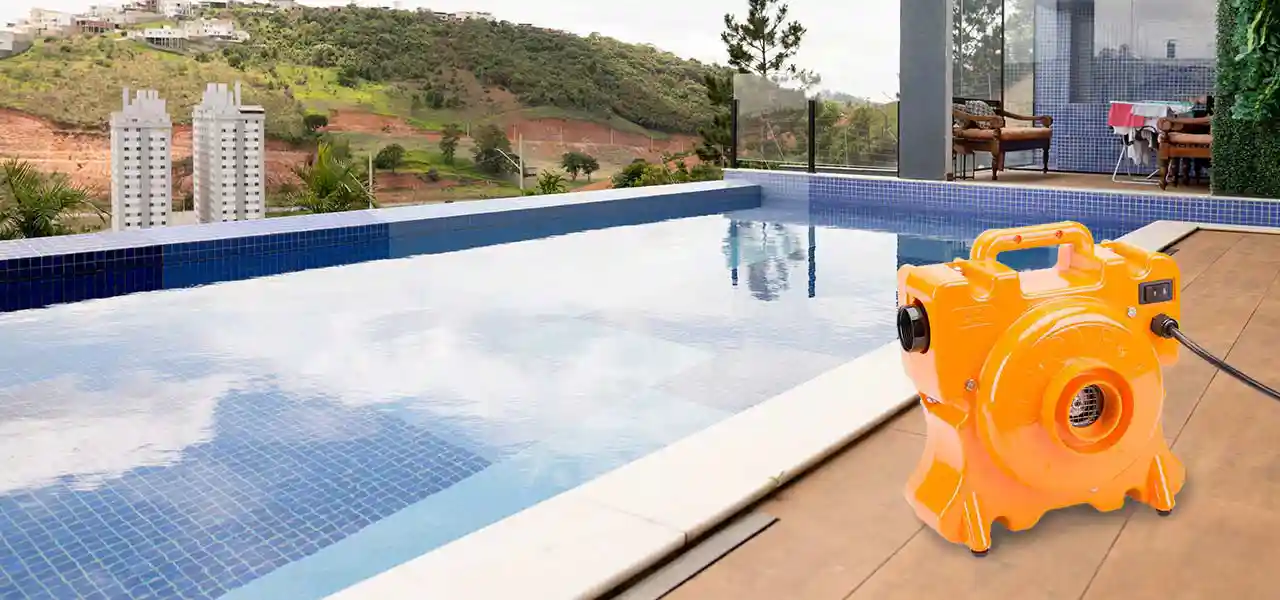
Credit: intheswim.com
Preparing The Pool System
Preparing your pool system is the first step to blow out pool lines with a shop vac. This process helps protect pipes from freezing and damage. Proper preparation makes the job easier and safer. Follow these simple steps carefully.
Turn Off Pool Equipment
Start by turning off the pool pump and filter. This stops water flow and pressure in the pipes. Unplug any electrical equipment connected to the pool system. Safety first. Double-check that everything is off before moving on.
Drain Pool Water
Next, drain the pool water below the skimmer level. Use a submersible pump or a pool drain valve. This lowers water pressure in the lines. It also prevents water from freezing inside the pipes. Make sure the water level is low enough for safe line blowing.
Setting Up The Shop Vac
Setting up the shop vac correctly is the first step to blowing out pool lines. A proper setup ensures strong airflow and avoids leaks. Take your time to prepare the equipment carefully. This helps clear water from the pipes effectively and prevents damage.
Attach Hose To Vac
Start by connecting the hose to the shop vac’s air outlet. Push the hose firmly onto the fitting. It should fit snugly without gaps. A loose connection can reduce suction power. Use the right hose size for your vac model.
Seal Connection Points
Next, seal all connection points tightly. Wrap tape around hose ends if needed. Check for any cracks or holes in the hose. Air leaks reduce pressure inside the pool lines. Make sure all joints are airtight before starting the vac.
Blowing Out The Lines
Blowing out the pool lines is a key step to protect your plumbing. It removes water that can freeze and cause damage. Using a shop vac makes this task easier and faster. Follow clear steps to do it safely and effectively.
Locate Pool Lines
First, find the pool lines you need to blow out. These lines run from the pool pump to the pool itself. Look for drain valves or access points on the pipes. Knowing the exact location helps you connect the shop vac properly.
Start Vacuum And Blow Air
Set your shop vac to blow air instead of sucking. Attach the hose to the pool line opening. Turn on the shop vac and let it push air through the pipes. This air forces water out of the lines. Keep the vacuum steady and check the air flow.
Monitor Airflow And Water Removal
Watch for water coming out of the pipe or drain. The air pushes water until the line is dry. If water still comes out, continue blowing air. Stop once no water flows and only air escapes. This ensures the lines are clear and safe for winter.
Checking For Remaining Water
Checking for remaining water is a key step after blowing out your pool lines. Water left inside can freeze and cause damage during cold weather. Ensuring the lines are dry protects your plumbing and saves costly repairs.
This process requires careful inspection and sometimes repeating the blowout. A thorough check guarantees no hidden water stays behind. It helps keep your pool system safe and ready for winter.
Inspect Line Dryness
Look inside the pool lines using a flashlight. Check for any water droplets or wet spots. Run your finger if possible to feel moisture inside. Listen for dripping sounds that indicate water presence. Dry lines appear clean and free of water.
Try blowing air through the lines again briefly. Notice if any water sprays out with the air. This shows leftover water that needs removal. Confirm dryness before moving to the next step.
Repeat If Necessary
If you find water, repeat the blowout process. Attach the shop vac and blow air through the lines once more. Focus on sections where water stayed the longest. Use short bursts of air to push out trapped water.
After repeating, inspect the lines again. Continue this cycle until no water remains. Patience here prevents pipe damage during freezing conditions. A dry line means your pool plumbing is winter-ready.

Credit: www.youtube.com
Final Steps
After blowing out the pool lines with your shop vac, focus on the final steps. These last actions help protect your pool system during winter. Taking time now prevents costly repairs later.
Disconnect Shop Vac
Turn off the shop vac and unplug it from the power source. Carefully remove the hose from the pool line. Make sure no water remains inside the hose or vac. Store the shop vac and accessories in a dry place. This avoids damage and keeps your tools ready for next use.
Secure Pool System For Winter
Close all valves to stop water from entering the lines. Drain any remaining water from the pump and filter. Cover the pool pump and filter with weatherproof covers. Check the pool’s water level and add antifreeze if needed. These steps keep your pool system safe from freezing damage.
Common Mistakes To Avoid
Blowing out pool lines with a shop vac is a smart way to protect your plumbing. Avoid common mistakes to prevent damage and save time. These errors often cause costly repairs and frustration. Focus on proper technique and safety to get the best results.
Overpressurizing Lines
Applying too much pressure can break pool pipes. Shop vacs create strong suction, but pushing too hard is risky. Pipes are not designed for high pressure. Excess pressure causes cracks or leaks. Use gentle, steady force instead. Check the vacuum’s settings before starting. Keep pressure low to protect your pool system.
Ignoring Safety Precautions
Safety is critical when working with pool lines and shop vacs. Always wear eye protection to guard against flying debris. Avoid electrical hazards by keeping the shop vac dry. Disconnect power tools before adjusting or cleaning. Read the shop vac manual carefully. Follow all safety instructions to prevent accidents. Protect yourself and your pool equipment.

Credit: www.reddit.com
Frequently Asked Questions
How Do I Prepare Pool Lines For Blowing Out With A Shop Vac?
Turn off the pool pump and drain water from the lines before starting the blowout process.
What Type Of Shop Vac Works Best For Pool Line Blowouts?
Use a powerful shop vac with a strong airflow and a tight seal on the pool line.
How Long Should I Blow Out Each Pool Line?
Blow air through each line for about 1 to 3 minutes to clear out water completely.
Can I Use A Shop Vac Instead Of An Air Compressor?
Yes, a shop vac can work well for small pools or if you lack an air compressor.
What Safety Tips Should I Follow When Blowing Out Pool Lines?
Wear eye protection, avoid over-pressurizing lines, and ensure all valves are correctly closed.
How Often Should I Blow Out Pool Lines With A Shop Vac?
Blow out pool lines before winter or long periods of no use to prevent pipe damage.
Conclusion
Blowing out pool lines with a shop vac is simple and effective. This method helps protect pipes from freezing damage during cold months. Follow the steps carefully to ensure all water is removed. Take your time and check each line thoroughly.
Regular maintenance keeps your pool system safe and working well. Use your shop vac to save time and effort this winter. Protect your pool investment with this easy, practical approach. Ready for winter? Your pool lines will thank you.