
If you have a pool and a deck, you know how important it is to have safe, sturdy steps connecting the two. But attaching pool steps to your deck can seem tricky if you’re not sure where to start.
What if the steps aren’t secure enough? Or what if the installation damages your deck? Don’t worry—this guide will walk you through simple, clear steps to attach your pool steps safely and confidently. By the end, you’ll know exactly how to make your pool area both functional and inviting.
Keep reading to get started!

Credit: www.youtube.com
Choosing The Right Pool Steps
Choosing the right pool steps is key for a safe and easy entry to your pool. The steps must fit well with your deck and pool style. They should be strong, safe, and easy to use. Understanding your options helps you pick the best steps for your space and needs.
Material Options
Pool steps come in plastic, metal, and wood. Plastic steps resist water and do not rust. Metal steps, often aluminum or stainless steel, offer strong support and last long. Wood steps provide a natural look but need regular care to avoid damage. Choose material based on durability and style.
Size And Weight Considerations
Measure your pool and deck area before buying steps. Steps that are too big may not fit well or look odd. Lightweight steps are easier to move but may feel less stable. Heavier steps stay in place but can be hard to install. Balance size and weight for safety and convenience.
Safety Features
Look for steps with non-slip surfaces to prevent falls. Handrails add extra support for entering and exiting the pool. Wide and deep steps provide better footing and comfort. Rounded edges reduce the risk of cuts or bruises. Safety features protect everyone using the pool.
Preparing The Deck Surface
Preparing the deck surface is a key step before attaching pool steps. A clean and stable surface helps secure the steps safely. It also protects the deck and pool from damage. Take time to prepare the area carefully for the best results.
Cleaning And Leveling
Clear the deck of dirt, leaves, and debris. Use a broom or a blower for quick cleaning. Check for any sticky residues and wash them off with soap and water. Allow the deck to dry fully before proceeding. Level the surface by filling low spots with deck filler. Smooth out any bumps or rough patches to create a flat area. A level surface ensures the steps sit securely and evenly.
Checking Structural Integrity
Inspect the deck boards for signs of damage. Look for cracks, rot, or loose nails. Test the boards by pressing or tapping them gently. Replace or repair any weak or damaged parts. Make sure the deck can support the weight of the pool steps and users. Strength and stability reduce the risk of accidents.
Marking Attachment Points
Measure the base of the pool steps carefully. Mark the spots on the deck where you will attach the steps. Use a pencil or chalk for clear, visible marks. Double-check the spacing and alignment to match the step frame. Accurate marking helps guide the drilling and fastening process. This step ensures the steps fit well and stay firmly in place.
Selecting Fasteners And Tools
Selecting the right fasteners and tools is key to attaching pool steps safely and securely. The choice affects stability and how long the steps last. Choosing the correct materials also helps prevent damage from water and weather. This guide covers the types of fasteners, tools needed, and materials that resist weather.
Types Of Fasteners
Stainless steel screws are strong and resist rust. They work well for wood and metal decks. Galvanized bolts offer good protection against corrosion. Use them for heavy-duty support. Avoid plain steel fasteners; they rust quickly near water. Use lag screws for deep, secure fixing. Plastic anchors help on concrete decks. Choose fasteners that fit your deck material and step design.
Recommended Tools
A power drill makes drilling holes faster and easier. Use drill bits matching your fastener size. A screwdriver or impact driver fits screws tightly. Wrenches or socket sets tighten bolts firmly. A tape measure ensures correct placement of steps. A level checks step alignment for safety. Have a hammer and pliers ready for adjustments. Use tools in good condition for best results.
Weather-resistant Materials
Choose fasteners made of stainless steel or galvanized metal. These resist rust and last longer outdoors. Avoid materials that corrode or weaken with moisture. Use sealants to protect wood surfaces. Weather-resistant coatings add extra defense. Select tools that handle wet or slippery conditions safely. Proper material choice prevents damage and keeps steps secure.
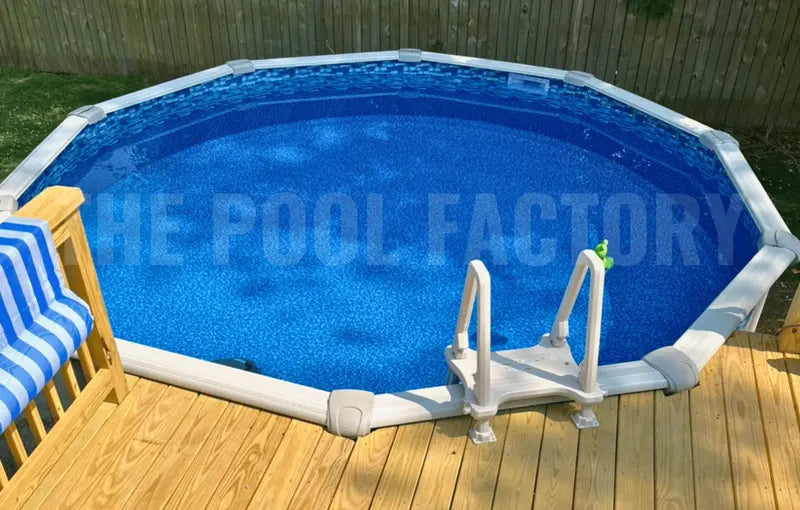
Credit: www.thepoolfactory.com
Step-by-step Installation Process
Attaching pool steps to your deck is a simple task with the right approach. Following a clear step-by-step process helps ensure safety and stability. This guide breaks down each part of the installation for easy understanding.
Positioning The Steps
Place the pool steps close to the deck edge. Make sure the steps line up evenly with the deck surface. Check that the steps are stable before marking any spots. Measure twice to avoid errors. Proper positioning prevents wobbling and accidents.
Drilling And Anchoring
Use a drill with the correct bit size for your anchors. Drill holes where you marked the deck. Clean out dust from the holes for better grip. Insert anchors firmly into each hole. Anchors hold the steps tightly to the deck. Choose anchors made for outdoor use to avoid rust.
Securing The Steps Firmly
Attach the steps to the deck using bolts or screws. Tighten all fasteners evenly for a secure fit. Check that the steps do not move or sway. Test the steps by applying weight gently. Tighten any loose points again. Safe steps make pool access easier and safer.
Ensuring Stability And Safety
Ensuring stability and safety when attaching pool steps to the deck is crucial. Unstable steps can cause accidents and injuries. Secure steps provide confidence for all swimmers. Taking time to check and improve the step setup makes your pool area safer. Simple steps can prevent slips and falls around your pool.
Testing Step Security
Check each step for movement before use. Push and pull the steps gently to spot any wobble. Tighten bolts and screws if you find loose parts. Use a level tool to ensure steps are even. Secure steps prevent unexpected shifts that could cause falls.
Adding Non-slip Surfaces
Cover steps with non-slip tape or pads to reduce slipping. Choose materials made for wet areas to hold firmly. Non-slip surfaces improve grip even when steps are wet. This simple addition protects all users, especially children and elderly. It makes climbing in and out of the pool safer.
Regular Maintenance Tips
Inspect the steps weekly for damage or wear. Replace rusted or broken hardware immediately. Clean steps often to remove algae and dirt. Keep drainage clear to avoid water pooling on steps. Regular care keeps your pool steps safe and long-lasting.

Credit: www.amazon.com
Troubleshooting Common Issues
Troubles with pool steps can slow down your setup. These problems often come from common mistakes during attachment. Fixing them early keeps your deck safe and your pool steps steady. Let’s explore how to solve typical issues you may face.
Loose Attachments
Loose attachments make steps unsafe. Tighten all bolts and screws regularly. Use a wrench or screwdriver to secure parts. Check for missing washers or nuts. Replace any worn hardware immediately. A tight fit prevents shaking and accidents.
Deck Damage Prevention
Protect your deck from scratches and cracks. Place rubber pads between the steps and deck. Avoid over-tightening bolts, which can cause cracks. Inspect the deck surface for weak spots. Reinforce any damaged areas before attaching steps. Proper care extends your deck’s life.
Adjusting Step Alignment
Steps must line up evenly with the deck. Use a level tool to check alignment. Loosen bolts slightly to shift step position. Adjust until steps sit flat and straight. Re-tighten bolts carefully to lock position. Correct alignment improves safety and comfort.
Frequently Asked Questions
How Do I Attach Pool Steps To A Wooden Deck?
Use brackets and bolts to secure the pool steps firmly to the wooden deck surface.
What Tools Are Needed To Fix Pool Steps To A Deck?
You need a drill, screws, brackets, measuring tape, and a wrench for secure attachment.
Can I Attach Pool Steps To A Concrete Deck?
Yes, use concrete anchors and heavy-duty bolts to fix pool steps safely on concrete.
How High Should Pool Steps Be From The Deck Surface?
Pool steps should be flush or slightly below the deck surface for safe entry.
Is It Safe To Attach Metal Steps To A Pool Deck?
Metal steps can be safe if attached with rust-resistant bolts and proper support.
How To Prevent Pool Step Movement After Attaching To Deck?
Tighten all bolts firmly and use anti-slip pads to keep steps stable and secure.
Conclusion
Attaching pool steps to your deck makes pool access safer and easier. Follow each step carefully for a strong connection. Use the right tools and materials for best results. Check stability before using the steps to avoid accidents. Regularly inspect and maintain the attachment to keep it secure.
Taking time now prevents problems later. Enjoy your pool with confidence and peace of mind. Simple steps lead to lasting safety and comfort.