
If you want your pool water to stay clean and clear, adjusting your pool return eyeball is one of the easiest and most effective steps you can take. You might not realize it, but the direction of your return jets controls how water flows, circulates, and even how chemicals spread.
Getting this right can save you time, money, and frustration. You’ll learn simple, clear steps to adjust your pool return eyeball like a pro—no special tools or experience needed. Keep reading to make sure your pool stays sparkling all season long.
Credit: www.amazon.sa
Pool Return Eyeball Basics
Understanding the basics of the pool return eyeball is key to keeping your pool clean and comfortable. This small device controls the flow of water returning to the pool. Adjusting it properly helps maintain good water circulation and clarity. Below, learn what a pool return eyeball is and why adjusting it matters.
What Is A Pool Return Eyeball
A pool return eyeball is a small, round nozzle inside the pool wall. It connects to the return pipe from the pump. Water flows through it and back into the pool. The eyeball can be turned or angled to change where water flows. This helps spread water evenly and avoids dead spots.
Purpose Of Adjusting The Eyeball
Adjusting the pool return eyeball directs water flow in the pool. This improves water circulation and stops debris from settling. It helps distribute chemicals evenly throughout the water. Proper adjustment can also reduce algae growth and keep the pool cleaner. Good water flow means a healthier pool environment for swimmers.

Credit: www.youtube.com
Tools Needed For Adjustment
Adjusting a pool return eyeball needs the right tools. Having the proper tools makes the job easier and faster. You do not need many tools, just a few basic ones. These tools help you twist and turn the eyeball safely.
Essential Tools
You need a flathead screwdriver for most adjustments. It helps to loosen or tighten screws around the eyeball. A pair of gloves protects your hands from sharp edges. A flashlight is useful to see inside the pool return fitting. Sometimes, you might need pliers to grip the eyeball better. Keep a small towel handy to wipe water and keep your grip firm.
Safety Precautions
Turn off the pool pump before starting any adjustment. This stops water flow and avoids injury. Wear gloves to protect your skin from chemicals. Avoid using too much force to prevent damage. Make sure the area around the pool is dry to prevent slips. Always check tools for damage before use. Follow these steps to stay safe while adjusting the pool return eyeball.
Step-by-step Adjustment Process
Adjusting the pool return eyeball helps control water flow direction. It improves pool circulation and comfort. Follow this simple step-by-step process to adjust your pool return eyeball correctly. Each step is easy to follow and ensures the best water flow.
Locating The Return Eyeball
Find the return eyeball inside your pool wall. It looks like a small round nozzle. Usually, it is near the pool’s edge or bottom. This is where water flows back into the pool.
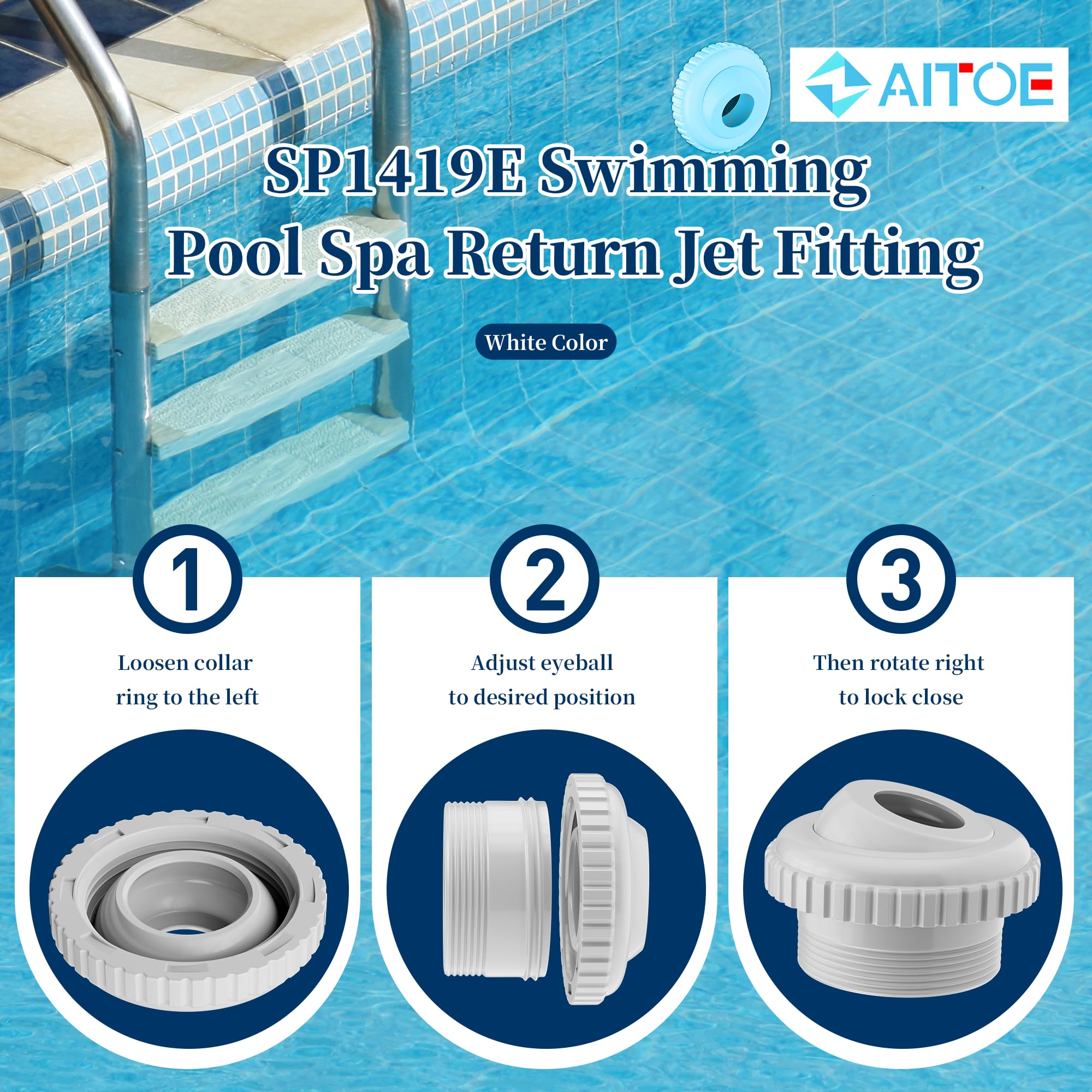
Loosening The Eyeball
Gently twist the eyeball counterclockwise to loosen it. You do not need to remove it completely. Loosening helps you move it easily. Use your hand, no tools required.
Setting The Desired Direction
Move the eyeball to point where you want the water flow. Aim it towards the pool center or away from walls. Adjust slowly and check water flow. Stop when the flow feels right.
Securing The Eyeball In Place
Twist the eyeball clockwise to tighten it. Make sure it is secure but not too tight. This keeps the water flowing in the chosen direction. Check the flow once more after tightening.
Tips For Optimal Water Flow
Proper water flow is key to a clean and healthy pool. Adjusting the pool return eyeball helps control this flow. It directs water to different parts of the pool. This ensures proper circulation and prevents problems.
Below are some tips for optimal water flow. These tips help keep water moving well. They make sure the pool stays clear and fresh.
Avoiding Dead Spots
Dead spots are areas with little or no water movement. These spots allow dirt and algae to build up. Point the return eyeball away from corners or walls. Aim it toward the center of the pool. This keeps water moving in all areas.
Enhancing Circulation
Good circulation spreads chemicals evenly. It also helps filter out debris better. Adjust the eyeball to create a gentle swirl. This swirl moves water in a circular path. It mixes the water well and keeps it clean.
Balancing Flow Between Returns
Most pools have more than one return. Each return should send out the same flow. Check each eyeball and adjust for balance. Balanced flow stops one area from getting too much or too little water. This balance improves overall pool health.
Common Issues And Fixes
Pool return eyeballs help control water flow direction. Sometimes, they face issues affecting pool function. Fixing these problems keeps water clean and circulation smooth. Below are common issues and simple fixes to try.
Eyeball Stuck Or Hard To Turn
Stuck eyeballs often result from mineral buildup or dirt. Turn off the pool pump before adjusting. Gently wiggle the eyeball back and forth to loosen it. Use a soft cloth to clean around the edges. Lubricate with a silicone-based pool-safe lubricant. Avoid forcing the eyeball as it may break.
Leaks Around The Eyeball
Leaks usually happen from worn-out seals or cracks. Check the seal or O-ring for damage. Replace any cracked or hardened seals to stop leaks. Tighten the eyeball housing without overdoing it. If cracks appear on the eyeball or pipe, call a professional. A small leak can cause big water loss over time.
Uneven Water Pressure
Uneven pressure means the water flow is not balanced. Adjust the eyeball to direct water where needed most. Clean clogged filters and skimmer baskets to improve flow. Check the pump and valve settings for proper operation. Uneven pressure reduces pool cleaning efficiency. Regular maintenance helps keep water pressure steady.

Credit: www.amazon.com
Maintenance For Long-term Performance
Maintaining your pool return eyeball ensures it works well for years. Regular care helps keep water flow smooth and prevents damage. Simple steps can avoid costly repairs and keep your pool safe.
Regular Cleaning
Clean the eyeball nozzle often to remove dirt and debris. Use a soft cloth or brush to wipe the surface gently. Clear blockages to maintain steady water flow. Clean parts help the pool pump work better.
Inspecting For Wear And Tear
Check the eyeball for cracks or loose parts regularly. Look for signs of damage caused by sun or chemicals. Replace any worn parts to avoid leaks or poor water circulation. Early fixes save money and keep your pool healthy.
Frequently Asked Questions
What Is A Pool Return Eyeball And Its Purpose?
A pool return eyeball directs water flow back into the pool. It helps circulate water evenly.
How Do I Adjust The Direction Of The Pool Return Eyeball?
Turn the eyeball gently by hand to change the water flow direction. No tools needed.
How Often Should I Check And Adjust My Pool Return Eyeball?
Check it monthly to ensure proper water circulation and prevent dead spots in the pool.
Can I Fix A Broken Pool Return Eyeball Myself?
Minor fixes like tightening or adjusting can be done easily. For cracks, call a professional.
What Happens If The Pool Return Eyeball Is Blocked?
Blocked eyeballs reduce water flow, causing poor circulation and possibly dirty water.
Does Adjusting The Pool Return Eyeball Affect Pool Cleaning?
Yes, proper adjustment helps cleaners work better by moving debris toward the drain.
Conclusion
Adjusting the pool return eyeball helps keep water clean and clear. Aim the water flow where it moves best around the pool. Small changes make a big difference in water circulation. Check the direction often to keep your pool healthy.
Regular adjustments prevent debris buildup and improve filter performance. A simple turn can save time and effort later. Enjoy a fresher pool with proper water movement. Keep this easy step in your pool care routine.