
Is your pool turning green or looking cloudy? You might be dealing with algae, and knowing how often to backwash your pool filter can make all the difference.
Backwashing is a key step to keeping your water clean and crystal clear. But if you backwash too much or too little, you could be wasting time, water, and money—while still battling stubborn algae. You’ll discover exactly when and how often you should backwash your pool to fight algae effectively.
Keep reading to take control of your pool’s health and enjoy a sparkling swim every time.
Signs Of Algae Growth
Algae growth in your pool can cause many problems. It affects water quality and makes the pool unsafe. Knowing the signs of algae early helps you act fast. This keeps the pool clean and clear.
Visual Indicators
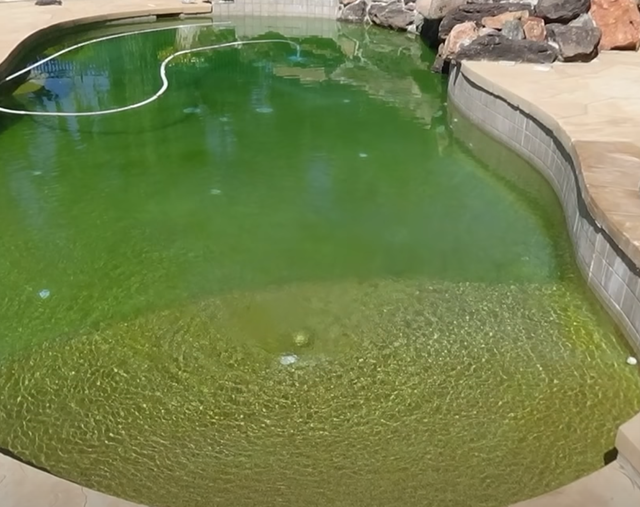
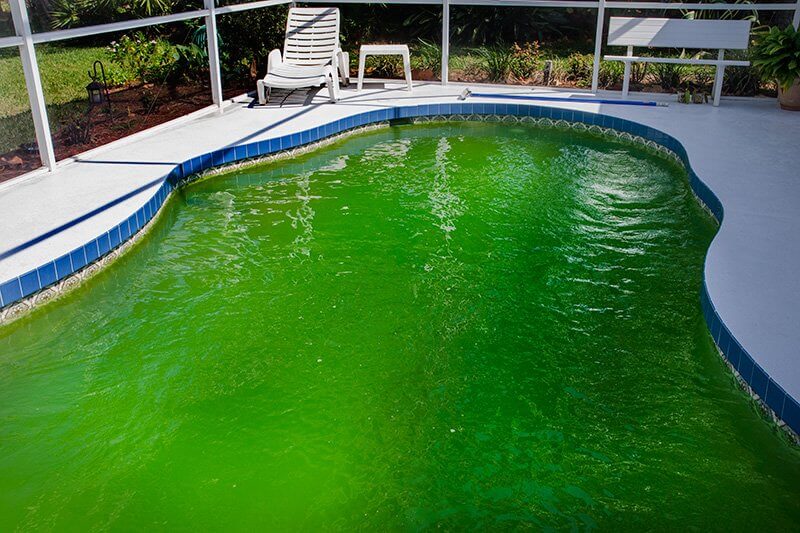
Algae often shows as green, black, or yellow patches on pool walls. You might see slimy or fuzzy spots near steps or corners. The water may look cloudy or have a green tint. These signs mean algae is growing.
Water Quality Changes
The water may smell musty or strange. It might feel sticky on the skin. You could notice cloudy water that does not clear after adding chemicals. These changes show algae is affecting water quality.
Filter Performance
The pool filter may get clogged faster than normal. Water flow through the filter could slow down. You might see dirt or algae particles in the filter basket. These signs show the filter is working harder to clean algae.
Role Of Backwashing
Backwashing plays a key role in keeping pools clean, especially when algae are present. It helps maintain clear water and healthy swimming conditions. Regular backwashing removes dirt, debris, and algae from the filter system. This process ensures the pool water stays fresh and safe to swim in.
How Backwashing Works
Backwashing reverses water flow through the pool filter. It pushes trapped dirt and algae out of the filter media. This waste flows into the drain or sewer line. Backwashing prevents clogging and keeps the filter efficient. The process usually takes a few minutes to complete.
Benefits For Algae Control
Backwashing removes algae spores caught in the filter. This stops algae from growing and spreading in the pool. It also improves water circulation and filtration. Clean filters help chemicals work better against algae. Regular backwashing reduces the chance of cloudy or green water.
Backwash Frequency Factors
Backwashing is important to keep your pool clean and clear, especially when algae appear. How often you backwash depends on several key factors. Understanding these can help you keep your pool water healthy without wasting water or damaging your filter.
Pool Usage
The more people use the pool, the faster it gets dirty. Heavy use adds oils, dirt, and debris. This can cause the filter to clog quickly. Frequent backwashing may be needed to keep the water clean. Pools used less often may require backwashing less frequently.
Algae Severity
Light algae growth might not need frequent backwashing. But when algae spreads fast, it can clog the filter quickly. Backwashing helps remove algae and stops it from returning. Severe algae problems may require backwashing every few days until clear.
Filter Type
Different filters need different backwash schedules. Sand filters usually need backwashing more often. Cartridge filters need less backwashing but require cleaning or replacing. Diatomaceous earth filters also need careful backwashing. Check your filter type to decide the right frequency.
Credit: www.chandlerpoolservicepro.com
Recommended Backwash Schedule
Keeping your pool clean and clear requires regular backwashing. A proper backwash schedule helps remove dirt and algae from the filter. This keeps water fresh and safe for swimming. Backwashing too often can waste water. Not backwashing enough lets algae grow. Follow a balanced schedule for best results.
Routine Maintenance
Backwash your pool filter every 1 to 2 weeks during normal use. Check the pressure gauge on your filter. Backwash when the pressure rises 8 to 10 psi above normal. This means the filter is clogged with debris. Regular backwashing prevents algae buildup and keeps water clear. Always backwash before adding chemicals.
After Algae Treatment
After treating algae, backwash immediately to remove dead algae particles. Run the backwash until water runs clear. Repeat backwashing every 24 hours for 3 days after treatment. This stops algae from returning quickly. Test water clarity and chemical levels daily. Clean filters help chemicals work better against algae.
Additional Cleaning Tips
Backwashing helps remove dirt and algae from your pool filter. To keep your pool clear, use extra cleaning methods. These tips help stop algae from growing back fast. Clean your pool well for safe and fresh water.
Brushing Techniques
Brush your pool walls and floor regularly. Use a stiff pool brush for tough algae. Focus on corners and steps where algae hide. Brushing loosens algae, making it easier to remove. Always brush before backwashing for better results.
Chemical Treatments
Use algaecides to kill algae quickly. Follow the instructions on the product label. Shock your pool with chlorine to remove algae spores. Test water chemicals often to keep balance right. Proper chemicals stop algae from growing again.
Water Circulation
Good water flow stops algae from settling. Run pool pumps at least 8 hours daily. Check that all jets work and aim correctly. Clean filters and skimmers to keep water moving. Strong circulation spreads chemicals evenly for better cleaning.
Credit: www.chandlerpoolservicepro.com
Avoiding Common Mistakes
Backwashing your pool filter is important to keep algae under control. Doing it right saves time and keeps your pool clean. Avoiding common mistakes helps your pool stay healthy and clear. Learn what to watch out for.
Over Backwashing
Backwashing too often can harm your filter. It removes helpful filter media and wastes water. This makes your pool equipment work harder. Clean only when the pressure gauge shows it is needed. Check your filter’s manual for the best timing.
Ignoring Filter Care
Backwashing alone does not keep filters in good shape. Regular cleaning and inspection are necessary. Remove debris and clean filter parts when needed. Neglecting filter care can lead to poor water flow and algae growth. Keep your filter in top condition for clear water.
Credit: c-poolandspa.com
Frequently Asked Questions
How Often Should I Backwash My Pool With Algae?
Backwash your pool filter once the pressure gauge rises 8-10 psi above normal.
Can Backwashing Remove All Types Of Algae From Pools?
Backwashing removes loose algae but may not clear stubborn algae without extra treatment.
What Is The Best Time To Backwash A Pool With Algae?
Backwash after brushing the pool and letting the filter pressure rise.
How Long Does Backwashing Take To Clean Algae From Pool Filters?
Backwashing usually takes 2-3 minutes to flush out algae and debris.
Is Backwashing Enough To Prevent Algae Growth In Pools?
Backwashing helps but regular chemical treatment and cleaning are also needed to prevent algae.
What Happens If I Don’t Backwash A Pool With Algae Regularly?
Ignoring backwash leads to clogged filters and poor water circulation, worsening algae problems.
Conclusion
Backwashing your pool helps keep algae under control. Clean filters work better and last longer. Check your pool often for signs of algae growth. Backwash only when the pressure gauge shows it is needed. Too much backwashing wastes water and chemicals.
Keep your pool water clear and safe with regular care. Simple steps make pool maintenance easier and more effective. Stay consistent, and enjoy a clean, healthy pool all season.