
Keeping your pool water at the right level is more important than you might think. If you don’t add water when needed, your pool can face problems like damage to the pump, poor water quality, and an unpleasant swimming experience.
But how often should you actually add water to your pool? The answer depends on several factors, and knowing them can save you time, money, and frustration. Stick with me as we dive into the simple steps you can take to keep your pool in perfect shape all season long.
Why Pool Water Levels Drop
Pool water levels drop for several common reasons. Knowing why helps keep your pool safe and clean. Watch the water level often to spot changes early. This saves time and avoids bigger problems.
Evaporation Factors
Water evaporates from the pool surface daily. Hot weather speeds up evaporation. Windy days also increase water loss. Pools in dry areas lose water faster. Covering the pool reduces evaporation.
Splash-out And Usage
Swimming causes water to splash out. Kids playing or diving can spill water. Using pool toys pushes water out too. Frequent use means more water loss. Keep an eye on the level after use.
Leaks And Cracks
Leaks cause sudden water drops. Check pipes, fittings, and pool walls. Cracks may let water seep out slowly. Look for wet spots near the pool. Fix leaks quickly to save water and money.
Signs You Need To Add Water
Knowing when to add water to your pool is important for its health. The water level changes due to evaporation, splash-out, and leaks. Missing these signs can cause problems with your pool’s equipment and water quality.
Water Level Below Skimmer
The skimmer pulls water from the pool surface. If the water level drops below the skimmer opening, it cannot work properly. This may cause the pump to suck in air. Watch the skimmer line. If you see the water level falling below it, add water quickly.
Pump Issues
The pump moves water through the filter and heater. When water is too low, the pump might lose prime. This means it stops working well or makes strange noises. Low water can cause damage to the pump. Check your pump if it sounds odd or runs unevenly.
Chemical Imbalance
Water levels affect chemical balance. When water is low, chemicals become too strong. This can irritate skin and eyes. It also harms pool surfaces and equipment. Test the water often. Low water means you must add water and adjust chemicals.
Ideal Water Level For Pools
Maintaining the ideal water level in your pool is essential for a safe and enjoyable swimming experience. Too much or too little water can cause problems. The right water level keeps your pool clean and protects its equipment. Understanding what the ideal level looks like helps you know when to add water.
Optimal Range
The ideal water level is usually at the middle of the pool skimmer opening. This spot allows the skimmer to work well. Water that is too low can cause air to enter the pump. Water that is too high can reduce skimmer efficiency. Check the level regularly, especially after heavy rain or hot weather.
Impact On Equipment
Correct water level protects your pool pump and filter. Low water can cause the pump to run dry and get damaged. High water can make the skimmer unable to remove debris. This can lead to clogged filters and poor water circulation. Keeping the water at the right level helps your pool equipment last longer.
How Often To Check Water Levels
Checking your pool’s water level is key to keeping it clean and safe. Water can drop due to evaporation, splashing, or leaks. Regular checks help keep the water at the right level. This prevents damage to pool equipment and keeps swimming fun.
Daily Vs Weekly Checks
Daily checks are best during hot, dry weather. Water evaporates faster in heat. Check the level each morning to catch drops early. Weekly checks work for cooler seasons or rainy times. Look for signs of water loss before topping up. Choose a schedule that fits your pool’s needs.
Seasonal Variations
Summer needs more frequent water checks. Heat speeds evaporation and water loss. Winter may need fewer checks if you use a pool cover. Rain can raise water levels, so watch for overflow. Adjust your checking routine with the seasons. This keeps your pool balanced all year.
Best Practices For Adding Water
Adding water to your pool is a simple task. Doing it right keeps your pool clean and safe. Following best practices helps protect your pool equipment and water quality. Here are some important tips for adding water properly.
Using A Hose Safely
Always use a clean hose to add water. Avoid using a hose that has been on the ground. Dirt and bacteria can enter your pool. Place the hose in the deepest part of the pool. This reduces splashing and water loss. Turn the water on slowly to avoid pressure spikes. Check the hose for leaks before starting.
Temperature Considerations
Use water close to your pool’s current temperature. Cold water can shock your pool and affect chemicals. Warm water helps keep chemical levels stable. Avoid adding very hot or very cold water. This helps prevent damage to pool surfaces and equipment.
Avoiding Overfilling
Keep the water level at the middle of the skimmer opening. Too much water can cause overflow and damage. Too little water stops the skimmer from working well. Check the water level every few days. Add water slowly and stop often to check levels.
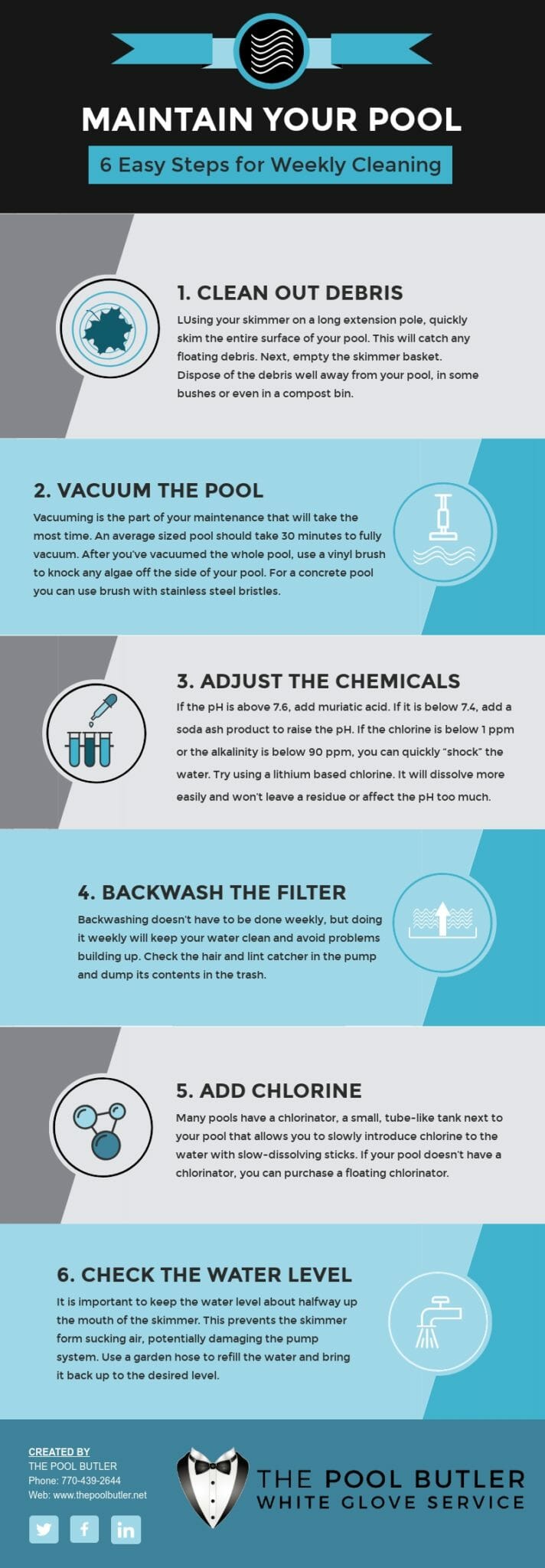
Credit: www.thepoolbutler.net
Maintaining Water Balance After Refilling
Maintaining water balance after refilling your pool is essential for clear, safe water. Adding water changes the pool’s chemistry. You must restore the right chemical levels quickly. This step keeps the water clean and prevents damage to your pool parts.
Testing Chemicals
Start by testing the pool water. Use a reliable test kit or strips. Check levels of pH, chlorine, alkalinity, and calcium hardness. These numbers tell you if the water is balanced. Testing helps avoid problems like cloudy water or algae growth.
Adjusting Ph And Chlorine
Next, adjust the pH level. The ideal pH is between 7.2 and 7.6. Add pH increaser or decreaser as needed. Then check chlorine levels. Chlorine should be 1 to 3 ppm for safe swimming. Add chlorine carefully to reach the right level. Proper pH and chlorine keep your pool water healthy and clear.
Preventing Frequent Water Loss
Preventing frequent water loss in your pool saves time and money. Pools lose water through evaporation, leaks, and heavy use. Controlling these factors keeps water levels steady. It also reduces the need for constant refilling. Small steps make a big difference in water conservation.
Covering The Pool
Pool covers block sunlight and wind. This slows evaporation and keeps water inside. Use a cover every night or when the pool is not in use. Solar covers also warm the water, saving energy on heating. A simple cover can cut water loss by half or more.
Fixing Leaks Quickly
Leaks cause water to drop fast. Check pipes, fittings, and the pool shell for cracks. Fix leaks as soon as you find them. Ignoring leaks wastes water and increases your bills. Regular inspections help catch problems early before they grow.
Managing Usage
Heavy pool use increases water loss. Splashing and swimming cause water to spill out. Limit playtime during hot, dry days. Encourage gentle swimming to reduce splashing. These habits help keep water levels stable and reduce refilling needs.

Credit: nationaldiscountpoolsupplies.com
Credit: intheswim.com
Frequently Asked Questions
How Often Should You Add Water To Your Pool?
Add water when the level drops below the pool skimmer or halfway up the tile line.
What Causes Pool Water To Drop Quickly?
Evaporation, splash-out, leaks, and backwashing reduce pool water levels fast.
Can Weather Affect How Often You Add Pool Water?
Yes, hot, dry, or windy weather increases evaporation and water loss.
How Do You Check If Your Pool Is Leaking?
Look for wet spots, constant water loss, or use a leak detection kit.
Is It Safe To Add Tap Water To Your Pool?
Tap water is usually safe but test and balance pool chemicals after adding.
How Much Water Should You Add After Heavy Pool Use?
Add enough to restore the water level to the middle of the skimmer opening.
Conclusion
Keeping the right water level is key for a healthy pool. Check your pool weekly to see if it needs water. Adding water too often or too little can cause problems. Watch for signs like splashing or rain to help decide.
Simple care keeps your pool clean and safe. Stay consistent, and your pool will stay ready for fun. Small steps make a big difference in pool care.