
If you want your pool to stay clean and inviting, understanding how much suction your pool skimmer needs is key. Too little suction means leaves and debris won’t get caught, leaving your pool dirty.
Too much suction can damage your equipment or even be unsafe. You might be wondering, what’s the right balance? You’ll discover exactly how much suction your pool skimmer should have to keep your water sparkling clear without causing problems. Keep reading to find out how to get the perfect suction for your pool’s needs.

Credit: www.amazon.com
Pool Skimmer Basics
A pool skimmer is a key part of keeping your pool clean. It pulls water from the surface to catch leaves, bugs, and dirt. Without a good skimmer, your pool water can quickly get dirty. Knowing how a pool skimmer works helps you keep your pool clear and inviting.
Choosing the right skimmer and maintaining it well can save time and money. Let’s explore the basics of pool skimmers and their role in pool care.
Role In Pool Maintenance
The pool skimmer removes floating debris before it sinks. This stops dirt from settling at the bottom. It helps keep the water clear and safe to swim in. Skimmers also protect the pool pump by catching large debris early. This reduces damage and extends pump life. Regular skimmer use lowers the need for extra cleaning.
Types Of Pool Skimmers
There are several skimmer types for different pool needs. Built-in skimmers are part of the pool wall. They connect directly to the pump system. Surface skimmers float on the water and are easy to move. Leaf skimmers are manual nets used to scoop debris by hand. Each type helps keep the pool clean in different ways.
Suction Power Essentials
A pool skimmer needs enough suction to pull leaves and debris from the water surface. Too little suction leaves dirt behind, while too much can damage the pump. Finding the right balance keeps your pool clean and your equipment safe.
Measuring Suction Strength
Suction strength shows how well a pool skimmer cleans water. It pulls leaves, dirt, and debris into the skimmer basket. You can measure suction by using a gauge. This gauge tells you how much pressure the skimmer creates. A simple tool like a vacuum gauge works well. Place it at the skimmer opening to get a reading. This number helps you know if the skimmer works properly. Too little suction means debris stays in the pool. Too much suction can damage pool equipment.
Ideal Suction Range
The best suction for pool skimmers is usually between 15 and 20 inches of mercury (inHg). This range pulls enough water to capture dirt without harming the pump. If suction is below 15 inHg, the skimmer may not clean well. Above 20 inHg, the pump might overwork and fail sooner. Keeping suction in this range saves energy and extends equipment life. Check suction regularly to keep your pool clean and safe.
Factors Affecting Suction
Several factors affect the suction power of a pool skimmer. Understanding these helps keep your pool clean and safe. Suction strength depends on equipment and pool features.
Each factor plays a key role in how well the skimmer works. Let’s explore the most important ones.
Pump Size And Capacity
The pump drives water through the skimmer. A bigger pump moves more water, increasing suction. Small pumps may not pull enough water for strong suction. The pump’s flow rate, measured in gallons per minute, matters most.
Choose a pump that matches your pool size. Too large a pump can cause damage or waste energy. The right capacity ensures steady and efficient suction.
Skimmer Design And Placement
The shape and size of the skimmer affect suction power. Wide openings allow more water to enter. Some skimmers have built-in weirs to control flow.
Placement is critical. Skimmers should be near the surface where debris collects. Poor placement reduces suction and cleaning ability. Proper design and position improve performance and reduce clogging.
Pool Size And Shape
Larger pools need stronger suction to move water effectively. Small pools require less suction because water volume is lower.
Pool shape also impacts water flow. Irregular shapes can cause dead zones with weak suction. Circular or rectangular pools promote better circulation. Matching skimmer suction to pool size and shape boosts cleaning efficiency.

Credit: www.inyopools.com
Common Suction Problems
Pool skimmers need the right suction to work well. Suction problems can cause poor cleaning and damage to your pool system. Understanding common suction issues helps keep your pool clear and safe.
Low Suction Causes
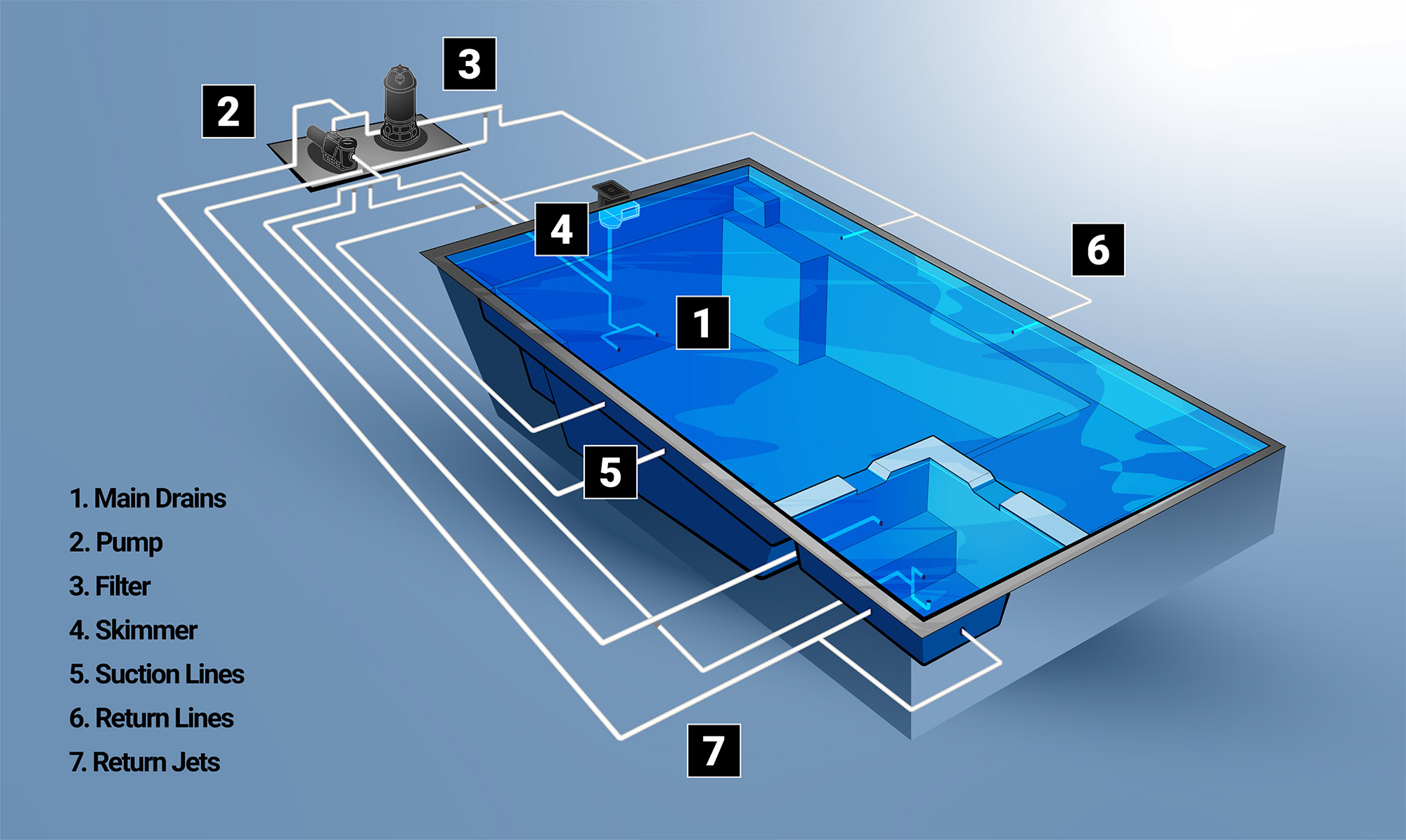
Low suction often comes from clogged filters or skimmer baskets. Leaves and debris block water flow, reducing suction power. A dirty pump impeller also lowers suction. Air leaks in the suction line let air in, causing weak suction. Incorrect water levels in the pool can affect skimmer function. Checking these parts regularly keeps suction strong.
High Suction Risks
High suction might sound good but it can harm your pool system. Excessive suction can damage the pump and filter. It may cause the skimmer basket to collapse. Strong suction creates safety risks for swimmers, especially children. High suction pulls debris too fast, clogging the pump. Balancing suction power protects your pool and keeps it running smoothly.
Optimizing Skimmer Suction
Optimizing skimmer suction is important for keeping your pool clean. Proper suction helps remove leaves, dirt, and debris from the water surface. It also prevents clogs and damage to your pump. Adjusting suction to the right level improves water flow and extends equipment life. Understanding how to optimize skimmer suction saves time and money.
Adjusting Pump Settings
Start by checking your pump’s flow rate. A pump running too fast can cause strong suction that damages the skimmer. Too slow, and the skimmer won’t pull in enough debris. Use the pump’s valve or speed control to balance flow. Aim for steady suction that gently pulls water without noise or vibration. Test suction by placing your hand near the skimmer opening. Adjust until you feel consistent, moderate pressure.
Regular Maintenance Tips
Clean the skimmer basket weekly to avoid blockages. Remove leaves and dirt to keep water flowing freely. Check the skimmer lid for cracks or warping that can reduce suction. Inspect the pump basket and impeller monthly. Clear any debris that may reduce water flow. Replace worn parts to maintain proper suction. Keep the pool water level steady, not too low or high. Proper water level helps skimmer work efficiently.
Using Additional Equipment
Consider adding a booster pump if suction is weak. It helps increase water flow through the skimmer. Use a leaf trap or pre-filter for heavy debris loads. These reduce pressure on the skimmer and pump. Install a variable speed pump to control suction easily. It saves energy and adjusts to pool needs. Avoid using too many attachments that reduce suction power. Balance equipment to keep suction optimized and effective.
Safety And Efficiency
Safety and efficiency play a big role in choosing the right suction for a pool skimmer. The suction must be strong enough to clean well but not too strong to cause danger. It also needs to use energy wisely to save money and help the environment. Balancing these factors keeps your pool safe and clean.
Preventing Suction Entrapment
Suction entrapment happens when skin or hair gets stuck on the skimmer. It can cause serious injury or drowning. To prevent this, the suction should not be too high. Pool skimmers must follow safety rules set by organizations like the Consumer Product Safety Commission. Using safety covers and proper maintenance reduces risks. Always check your pool skimmer for blockages or damage.
Energy Consumption Considerations
High suction means the pump works harder and uses more energy. This raises your electricity bills. Choosing the right suction level saves energy and cuts costs. Modern pool pumps often have variable speed settings. These let you adjust suction to match cleaning needs. Running the pump at lower speeds most times keeps your pool clean and energy-efficient.
Troubleshooting Guide
Maintaining the right suction in your pool skimmer is key for clean water. Sometimes, suction problems arise and need quick fixes. This troubleshooting guide helps you spot issues and find solutions fast. Clear water depends on proper skimmer suction.
Identifying Suction Issues
Check for weak water flow at the skimmer. Low suction means debris stays in the pool. Look for air bubbles in the pump basket. These suggest leaks in the suction line. Listen for strange noises from the pump. Loud sounds may indicate blockages or damage. Observe if water drains slowly from the pool surface. This shows poor skimmer action.
Solutions For Common Problems
Clean the skimmer basket regularly to avoid clogs. Remove leaves and dirt that block water flow. Inspect hoses and connections for air leaks. Tighten or replace loose parts to stop air entry. Check the pump impeller for debris. Clear any obstruction to restore suction. Adjust the water level to the recommended height. Too low or too high water affects suction. Replace worn-out pump seals to prevent leaks.
Credit: leisurepoolsusa.com
Frequently Asked Questions
What Is The Ideal Suction For A Pool Skimmer?
A pool skimmer usually needs 8 to 12 inches of water column suction to work well.
How Does Suction Affect Pool Skimmer Efficiency?
Stronger suction pulls more debris into the skimmer, keeping the pool cleaner.
Can Too Much Suction Damage My Pool Skimmer?
Yes, very high suction can harm the skimmer and reduce its lifespan.
How Do I Measure Suction Pressure In A Pool Skimmer?
Use a vacuum gauge or pressure meter on the skimmer’s suction line.
Why Is Proper Suction Important For Pool Skimmer Performance?
Proper suction ensures debris is removed quickly and prevents clogging or pump strain.
What Factors Influence Pool Skimmer Suction Power?
Pump size, pipe diameter, and skimmer design all impact suction strength.
Conclusion
A pool skimmer needs just the right suction to work well. Too little suction leaves debris behind. Too much can damage your pool system. Aim for balanced suction to keep your pool clean and safe. Regular checks help maintain this balance.
A well-functioning skimmer saves time and effort. Clean water feels better and lasts longer. Keep your pool skimmer suction steady for the best results. Simple care makes a big difference.