
When you think about your pool, have you ever wondered how many returns it should have? Getting this right is key to keeping your water clean, clear, and inviting.
Too few returns can lead to poor circulation, making your pool a breeding ground for debris and algae. But too many? That can be a waste of energy and money. You’ll discover exactly how many returns your pool needs and why it matters for your swimming experience.
Keep reading—you’ll learn simple tips that can save you time, effort, and keep your pool sparkling all season long.
Pool Return Basics
Understanding the basics of pool returns helps maintain clean, clear water. Pool returns push filtered water back into the pool. They keep the water moving and stop it from getting stagnant. Proper placement and number of returns improve water circulation and cleanliness.
Good water flow helps chemicals spread evenly. It also prevents algae and dirt build-up. Knowing how many returns your pool needs depends on size and shape. Let’s explore the main roles and types of pool returns.
Purpose Of Pool Returns
Pool returns push clean water back into the pool. They create a flow that moves water around. This flow stops dirt and debris from settling on the pool floor. Returns help chemicals mix throughout the water. This keeps the water safe and clear. They also improve the pool’s heating efficiency.
Types Of Pool Returns
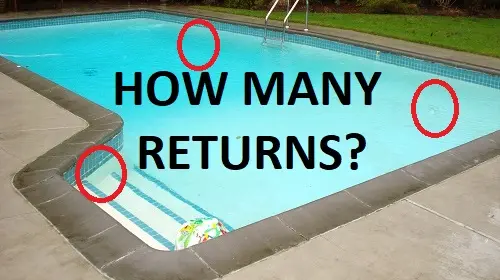
There are several types of pool returns. Wall returns are the most common and fit into the pool wall. They shoot water back horizontally to create circulation. Directional returns let you aim water flow for better mixing. Some pools use pop-up returns that rise from the floor. The choice depends on pool design and circulation needs.
Credit: www.swimmingpoolsteve.com
Factors Influencing Number Of Returns
The number of returns in a pool depends on several key factors. These factors help ensure proper water flow and cleanliness. Understanding them helps you decide how many returns your pool needs.
Each factor plays a role in maintaining balanced water circulation. This keeps the pool safe and comfortable for swimmers.
Pool Size And Shape
Bigger pools need more returns to move water evenly. Small pools might work well with just a couple of returns. Odd shapes or pools with curves require more returns for full coverage. This prevents dead spots where water can become stagnant.
Water Circulation Needs
Good circulation moves chemicals and heat throughout the pool. Pools used often or in hot climates need stronger circulation. This means more returns to push water in different directions. Pools with special features like spas or waterfalls may also need extra returns.
Pump Capacity
The pump pushes water through the returns. A strong pump can handle more returns without losing pressure. Smaller pumps may limit how many returns you can install. Matching pump size with return count keeps the flow steady and efficient.
Optimal Number Of Returns
Determining the optimal number of returns in a pool is important for good water circulation. Returns push filtered water back into the pool, keeping it clean and clear. Too few returns may cause dead spots where water doesn’t move well. Too many can create too much pressure and damage equipment.
Finding the right balance helps maintain clean water and extends the life of your pool system. The number of returns depends on pool size and pump capacity. Here are some guidelines to help you decide.
Recommended Returns Per Square Foot
Experts suggest one return for every 500 square feet of pool surface. Smaller pools need at least two returns to spread water evenly. Larger pools require more returns placed around the perimeter. This helps water flow smoothly and reaches all pool areas.
For example, a 1,000 square foot pool should have two returns. A 2,000 square foot pool needs four returns or more. This rule keeps water moving and reduces buildup of dirt or chemicals.
Balancing Flow And Pressure
Returns must balance water flow and pressure to avoid problems. Too much flow causes strong currents that can be uncomfortable or unsafe. Too little flow leads to poor circulation and cloudy water.
Each return should handle part of the pump’s flow without exceeding pressure limits. Using multiple returns spreads the flow evenly. This protects pipes and equipment from damage caused by high pressure.
Properly placed returns improve pool cleaning and reduce maintenance efforts. They also help distribute heat and chemicals effectively.
Placement Strategies
Proper placement of pool returns is key to good water flow. It helps keep the water clean and clear. Good placement spreads water evenly. It stops dirt and debris from settling.
Planning the placement needs thought and care. The goal is smooth circulation without dead spots. Let’s explore how to place returns for the best effect.
Positioning For Even Circulation
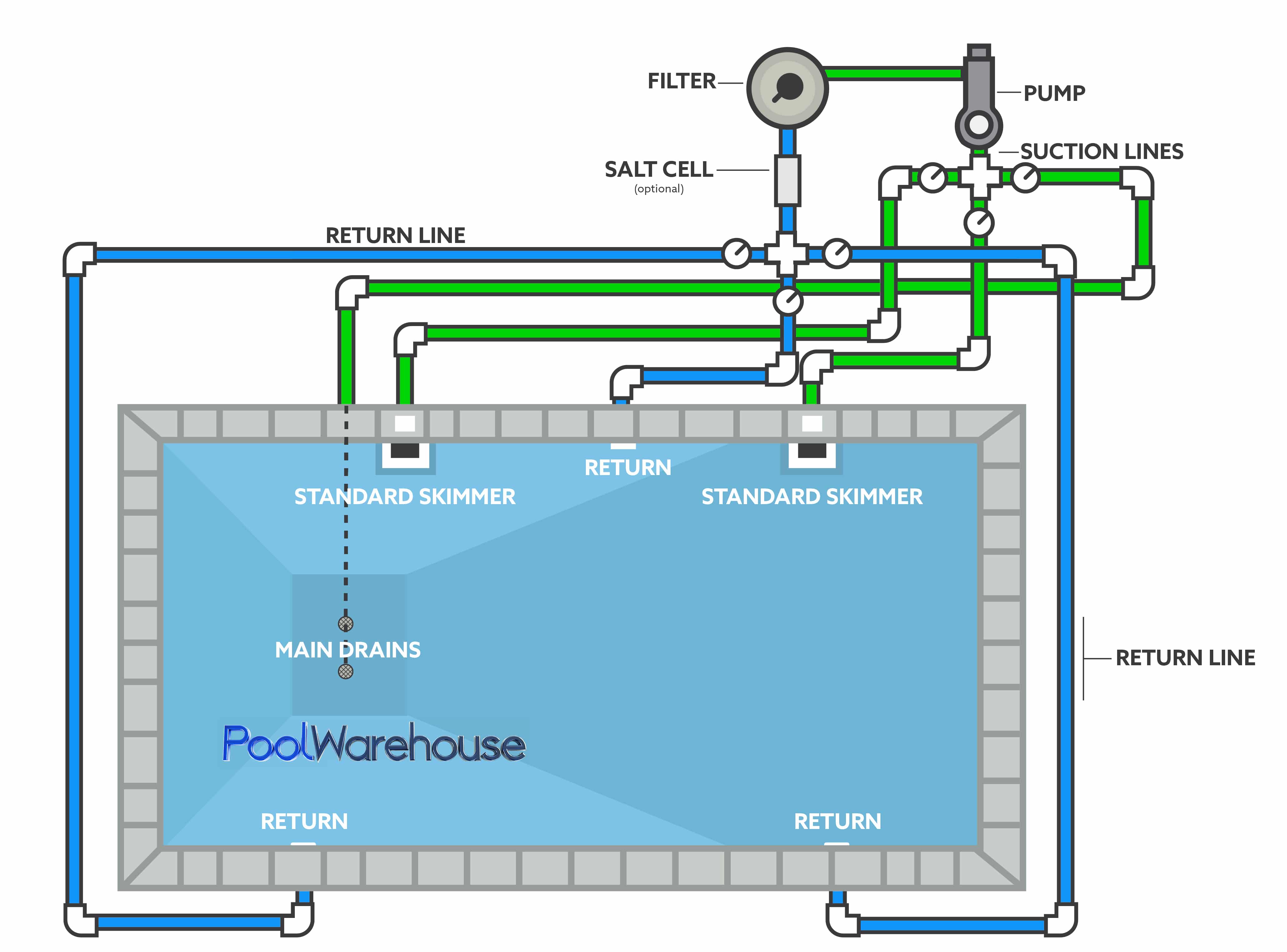
Place returns opposite the main drains. This pushes water across the whole pool. Returns should aim slightly down and along the surface. This helps move floating debris toward the drain.
Space returns evenly around the pool walls. Avoid clustering them in one area. Even spacing helps water reach every corner.
Avoiding Dead Zones
Dead zones are spots with little or no water flow. They collect dirt and can grow algae. Position returns to create a circular water movement.
Check corners and shallow areas carefully. Add extra returns or adjust angles to improve flow. Move water away from steps and ledges to stop buildup.
Impact On Pool Efficiency
Pool returns affect how well your pool system works. The number of returns changes water flow and circulation. Proper circulation keeps the pool clean and safe. Too few returns reduce water movement. Too many returns can waste energy. Balancing returns helps maintain pool efficiency.
Energy Consumption
Each return pushes water back into the pool. More returns mean the pump works harder. A pump using too much energy raises electricity bills. Fewer returns can lower energy use but may reduce circulation. Good design finds a middle ground. Efficient circulation uses less power and keeps water moving.
Water Quality And Clarity
Returns spread clean, filtered water evenly. This prevents dirty spots and algae growth. Proper water flow helps chemicals mix well. Clear water shows the pool is healthy. Poor circulation causes cloudy or green water. The right number of returns keeps water fresh and clear.

Credit: www.youtube.com
Common Mistakes To Avoid
Getting the number of pool returns right is important for water flow and cleanliness. Many pool owners make mistakes that affect how well the pool works. Avoiding these errors saves time and money. Understanding common mistakes helps you create a better pool setup.
Too Few Returns
Having too few returns limits water circulation. Water may become stagnant in some areas. Dirt and debris can build up, making cleaning harder. It also puts more strain on your pool pump. This can lead to higher energy bills and faster equipment wear.
Each return helps push clean, filtered water back into the pool. Fewer returns mean weaker flow and poor mixing. This can cause cold or warm spots in the water. Your pool will feel less comfortable and look less clear.
Overcrowding Returns
Too many returns close together causes uneven water flow. Water jets may fight each other, creating turbulence. This reduces overall circulation and filtration efficiency. It can also waste energy and increase noise.
Returns should be spaced to cover the entire pool evenly. Spreading them out ensures smooth water movement. Proper placement helps keep the pool clean and balanced. Avoid clustering returns in one area to prevent dead zones.
Upgrading And Maintenance Tips
Upgrading and maintaining pool returns is key for clean and balanced water flow. Proper care keeps your pool safe and enjoyable. Small changes can improve circulation and reduce problems. Regular attention helps avoid costly repairs and extends pool life.
Adding Returns To Existing Pools
Adding returns can improve water flow in old pools. More returns help spread water evenly. This stops dead spots where dirt builds up. A professional can check your pool’s current setup. They decide the best spots for new returns. Installation is usually quick and causes little damage. More returns make your pool cleaner and healthier.
Regular Inspection And Cleaning
Check your pool returns often for blockages or damage. Leaves, dirt, and algae can clog returns and reduce flow. Cleaning returns keeps water clear and fresh. Inspect seals and fittings to prevent leaks. Use a soft brush or vacuum to clean returns gently. Regular checks save money by avoiding bigger issues later.
Credit: www.poolwarehouse.com
Frequently Asked Questions
How Many Returns Should A Standard Pool Have?
A standard pool usually has 2 to 4 returns to ensure good water circulation and cleanliness.
Why Are Pool Returns Important For Water Flow?
Pool returns push filtered water back, helping to keep the water moving and clean.
Can Too Few Returns Affect Pool Water Quality?
Yes, too few returns can cause poor circulation and lead to dirty or stagnant water.
How Do Pool Returns Impact Pool Heating Efficiency?
Proper returns help warm water spread evenly, making pool heating faster and more efficient.
Where Should Pool Returns Be Placed For Best Results?
Returns are best placed opposite the main drains to create a strong water flow pattern.
Can Adding More Returns Improve Pool Water Clarity?
Adding returns can improve water flow and clarity, but balance is key to avoid pressure issues.
Conclusion
A pool needs enough returns to keep water clean and clear. Usually, two to four returns work well for most pools. These returns help water flow evenly and prevent dirt buildup. Too few returns can cause poor water circulation. Too many can waste energy and money.
Think about your pool size and shape when choosing returns. Good water flow means a safer, more enjoyable pool. Keep returns balanced for the best swimming experience. Simple steps make pool care easier and more effective.