
Are you looking for a simple and affordable way to keep your pool clean and warm? Homemade pool cover bubble wrap might be the perfect solution for you.
It’s easy to make, saves you money, and helps protect your pool from debris and heat loss. You’ll discover how to create your own bubble wrap cover and the surprising benefits it brings. Ready to dive into a smarter, budget-friendly pool care tip?
Keep reading!
Benefits Of Bubble Wrap Covers
Using bubble wrap as a pool cover brings many advantages. It helps keep your pool clean and warm. This simple material offers useful features that benefit pool owners.
Bubble wrap covers are easy to handle and provide good protection for your pool. They save money and energy while making pool care easier. Below are some key benefits of bubble wrap covers.
Heat Retention Properties
Bubble wrap traps heat from the sun effectively. It creates a layer of insulation on the pool surface. This keeps the water warmer for longer periods. The bubbles hold heat and reduce heat loss at night. This means you swim in warm water more often.
Uv Protection Capabilities
Bubble wrap blocks harmful UV rays from the sun. These rays can damage pool water and equipment. The cover protects the pool from sunlight exposure. This helps prevent algae growth and water degradation. Your pool stays cleaner and clearer for more time.
Cost-effectiveness
Bubble wrap is a cheap pool cover option. It costs much less than traditional pool covers. You can easily find bubble wrap at home or stores. The cover is lightweight and easy to install. It reduces heating bills by keeping water warm. This saves money on energy and maintenance.
Choosing The Right Bubble Wrap
Choosing the right bubble wrap for your homemade pool cover is important. The right choice helps keep your pool warm and clean. Different bubble wraps have unique features. These affect how well the cover works and lasts. Consider size, thickness, and material quality before buying bubble wrap.
Bubble Size Options
Bubble wrap comes with various bubble sizes. Small bubbles offer good coverage and flexibility. Large bubbles trap more air, providing better insulation. Choose a size that fits your pool shape and climate. Larger bubbles suit colder areas well. Smaller bubbles work fine in mild weather.
Thickness Considerations
Thickness impacts durability and heat retention. Thicker bubble wrap lasts longer and resists tears. Thin bubble wrap is cheaper but may wear out fast. A thickness of 8 to 12 mil is ideal. It balances protection and cost for most pools. Thicker wraps offer extra warmth in colder regions.
Material Quality
Good material quality ensures longer use and safety. Look for UV-resistant bubble wrap to avoid sun damage. High-quality plastic prevents cracking and fading. Clear or slightly tinted wraps allow sunlight to warm water. Avoid cheap wraps that degrade quickly under sunlight.
Preparing Your Pool
Preparing your pool is an important step before applying a homemade pool cover bubble wrap. This ensures the cover fits well and stays effective. Taking time to clean and measure the pool helps protect it from dirt and damage.
Proper preparation also extends the life of your pool and cover. It makes the entire process easier and more successful.
Cleaning And Drying
Start by removing leaves, dirt, and debris from the pool surface. Use a net or pool vacuum for thorough cleaning. Dirt can cause damage under the bubble wrap. After cleaning, dry the pool edges and surface well. Water or moisture can make the cover slip or tear. A dry pool surface helps the bubble wrap stay in place longer.
Measuring Pool Dimensions
Measure your pool’s length, width, and depth accurately. Use a tape measure for precise results. Write down the numbers to avoid mistakes. Knowing exact dimensions helps cut bubble wrap to the right size. This reduces waste and improves coverage. Proper measurements also ensure the cover seals well around the pool edges.
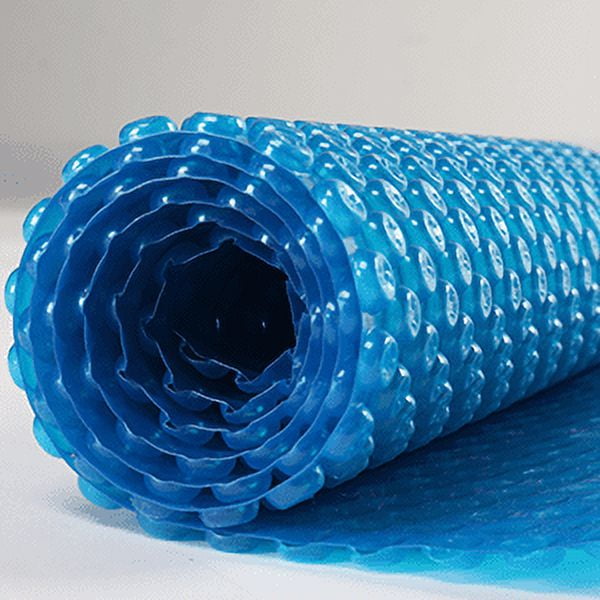
Credit: www.walmart.com
Cutting And Fitting The Bubble Wrap
Cutting and fitting bubble wrap for a homemade pool cover is a simple step. It helps keep the wrap snug and effective. Proper cutting ensures no gaps let heat escape. Fitting it well keeps the cover in place during windy days. Follow easy steps to mark, cut, and secure the wrap perfectly.
Marking And Cutting Techniques
Start by measuring your pool’s length and width carefully. Use a marker or pen to draw lines on the bubble wrap. Draw slightly larger than the pool size for overlap. This overlap helps cover the edges well. Cut along the marked lines using sharp scissors or a utility knife. Cut slowly to avoid tearing the wrap. Keep the edges smooth for a neat fit.
Securing The Cover In Place
Place the cut bubble wrap over the pool surface gently. Spread it evenly, covering all pool edges. Use clips or weights to hold the cover down. Heavy objects like bricks or water bags work well. Check for loose areas and secure them tightly. This stops the cover from shifting or blowing away. Secure fitting saves energy and keeps your pool warm.
Maintenance Tips For Longevity
Proper care helps your homemade pool cover bubble wrap last longer. Simple maintenance keeps it strong and effective. Follow easy steps to protect your cover from damage. Clean and store it well for the best results.
Cleaning The Bubble Wrap
Rinse the bubble wrap with clean water regularly. This removes dirt and chemicals that cause wear. Use a soft cloth or sponge for gentle cleaning. Avoid harsh soaps or abrasive tools that can tear it. Let it dry completely before folding or storing.
Storing During Off-season
Store the bubble wrap in a cool, dry place away from sunlight. Fold it loosely to avoid creases and cracks. Keep it away from sharp objects and heavy items. Use a breathable bag or cover to protect it from dust. Proper storage prevents damage and extends its life.
Additional Diy Enhancements
Enhancing your homemade pool cover bubble wrap can improve its performance. Small changes make a big difference. These extra steps help the cover stay in place and keep the water warmer longer. They also increase durability and save energy. Try these simple DIY upgrades for better results.
Adding Weighted Edges
Weighted edges help stop the cover from flying away in wind. Attach small weights or use heavy materials along the edges. You can sew in small bags filled with sand or pebbles. This keeps the cover tight on the pool. Weighted edges also prevent dirt and leaves from blowing underneath.
Using Reflective Layers
Reflective layers bounce sunlight back into the pool. This boosts water temperature and reduces heat loss. Use aluminum foil or reflective bubble wrap under the main cover. Cut the reflective material to fit your pool size. Secure it well to avoid wrinkles or gaps. This simple layer saves energy and keeps the pool warmer longer.
Safety Precautions
Using homemade pool cover bubble wrap can save energy and keep your pool clean. Safety is very important during the process. Taking the right steps helps prevent accidents and injuries. Follow these safety tips to protect yourself and others.
Avoiding Slips And Falls
Wet surfaces around pools can be slippery. Always wear shoes with good grip. Move carefully when handling the bubble wrap near the pool edge. Keep the area clear of loose wrap or tools. Clean up spills quickly to stop slipping hazards.
Handling Materials Safely
Bubble wrap rolls can be heavy and awkward. Lift with your legs, not your back. Cut the wrap using sharp scissors or a utility knife carefully. Store tools away from children. Use gloves to protect your hands from cuts and scrapes.

Credit: www.amazon.com

Credit: www.edv.no
Frequently Asked Questions
What Is A Homemade Pool Cover Bubble Wrap?
A homemade pool cover uses bubble wrap to keep water warm and reduce evaporation.
How Does Bubble Wrap Help Keep Pool Water Warm?
Bubble wrap traps heat by creating air pockets that act as insulation over the water.
Can I Reuse Bubble Wrap For My Pool Cover?
Yes, you can reuse bubble wrap several times if it is clean and not torn.
Is Bubble Wrap Safe For Swimming Pools?
Bubble wrap is safe if it floats well and does not release harmful chemicals.
How Do I Make A Pool Cover With Bubble Wrap?
Cut bubble wrap to pool size, place bubbles down, and secure edges tightly.
Does Bubble Wrap Pool Cover Save Water And Energy?
Yes, it reduces water evaporation and keeps the pool warmer, saving energy and water.
Conclusion
Using homemade pool cover bubble wrap saves money and keeps water warm. It helps reduce water evaporation and protects your pool from dirt. This simple method is easy to apply and remove. You can cut the bubble wrap to fit any pool size.
It also helps extend your swimming season by keeping the water cozy. Try this low-cost solution to maintain your pool better. Small efforts bring big benefits for pool care. Save energy, water, and time with this smart idea.