
When it comes to protecting your plumbing and keeping your water safe, you might have heard about High Loop and Air Gap methods. But which one is really better for your home or business?
Understanding the difference can save you from costly repairs and health risks. You’ll discover exactly what High Loop and Air Gap mean, how they work, and why choosing the right one matters to you. Keep reading to find out how a simple change can make a big impact on your water system’s safety and efficiency.
Purpose Of Plumbing Protection
Plumbing protection keeps water systems safe and clean. It stops dirty water from flowing back into clean water pipes. This is very important for health and safety. Proper protection also helps plumbing parts last longer. Understanding the purpose of plumbing protection helps you choose the right system.
Preventing Backflow
Backflow happens when water flows backward into clean water pipes. This can bring harmful chemicals or germs into your water. Plumbing protection stops backflow from happening. Devices like high loops and air gaps create a barrier. They keep dirty water from mixing with clean water. This is key to safe drinking water.
Maintaining Water Quality
Water quality means the water is clean and safe to use. Plumbing protection stops contaminants from entering the water supply. Clean water reduces the risk of illness. It also keeps water tasting and smelling good. Systems like air gaps stop dirty water from entering taps and appliances.
Protecting Appliances
Appliances need clean water to work well. Dirty water can damage machines like dishwashers and washing machines. Plumbing protection prevents dirty water from going back into these devices. This helps appliances last longer and work better. It saves money on repairs and replacements.
Credit: twomoosehomeinspections.com
What Is A High Loop
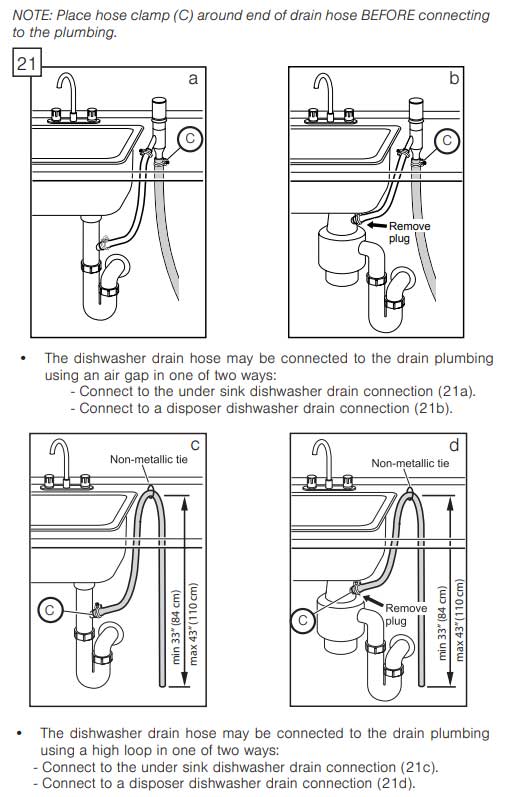
A high loop is a simple plumbing method used to prevent dirty water from flowing back into clean water. It raises the dishwasher drain hose above the sink’s drain level. This height stops water from draining backward into the dishwasher. The high loop is an easy way to reduce contamination risks in your kitchen.
Design And Installation
The high loop creates a raised curve in the dishwasher drain hose. The loop must be higher than the sink’s drain opening. Usually, it is fastened under the countertop or sink rim. Installation involves bending the hose into a loop and securing it. No special tools are needed for this setup. It fits most standard kitchen sinks and dishwashers.
Common Uses
High loops are common in home kitchens. They protect dishwashers from dirty water backflow. Many local building codes require a high loop. It is popular in places without an air gap device. This method suits homes with standard plumbing setups. It helps avoid water contamination in daily dishwasher use.
Benefits And Limitations
The high loop is easy to install and cost-effective. It does not require extra parts beyond the hose. It effectively reduces backflow risks in most cases. Still, it is less reliable than an air gap device. The loop depends on proper height and hose placement. If installed incorrectly, it may not prevent backflow. Some codes prefer air gaps for maximum safety.
What Is An Air Gap
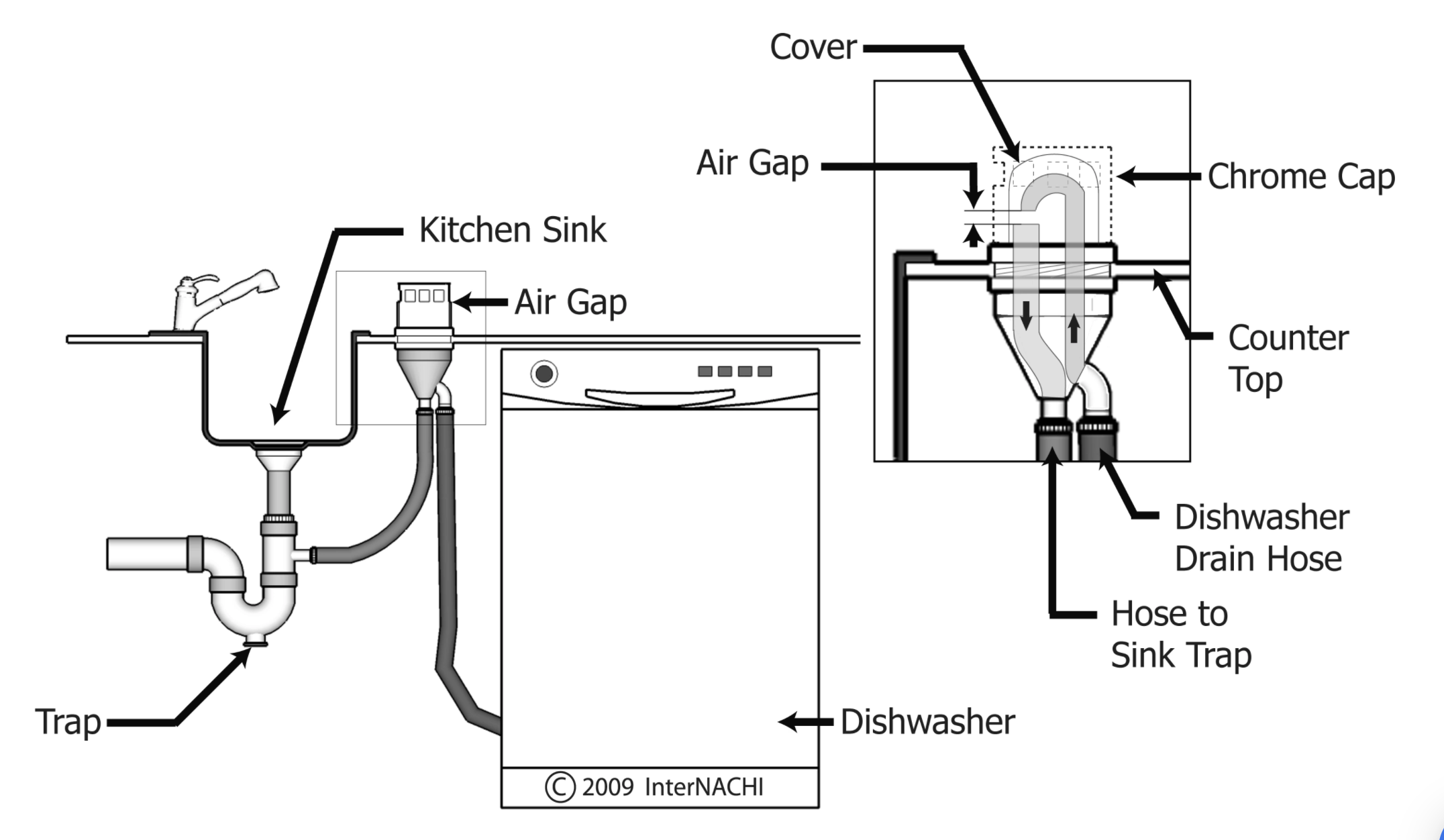
An air gap is a simple but important feature in plumbing and drainage systems. It prevents dirty water from flowing back into clean water supplies. This keeps drinking water safe and free from contamination.
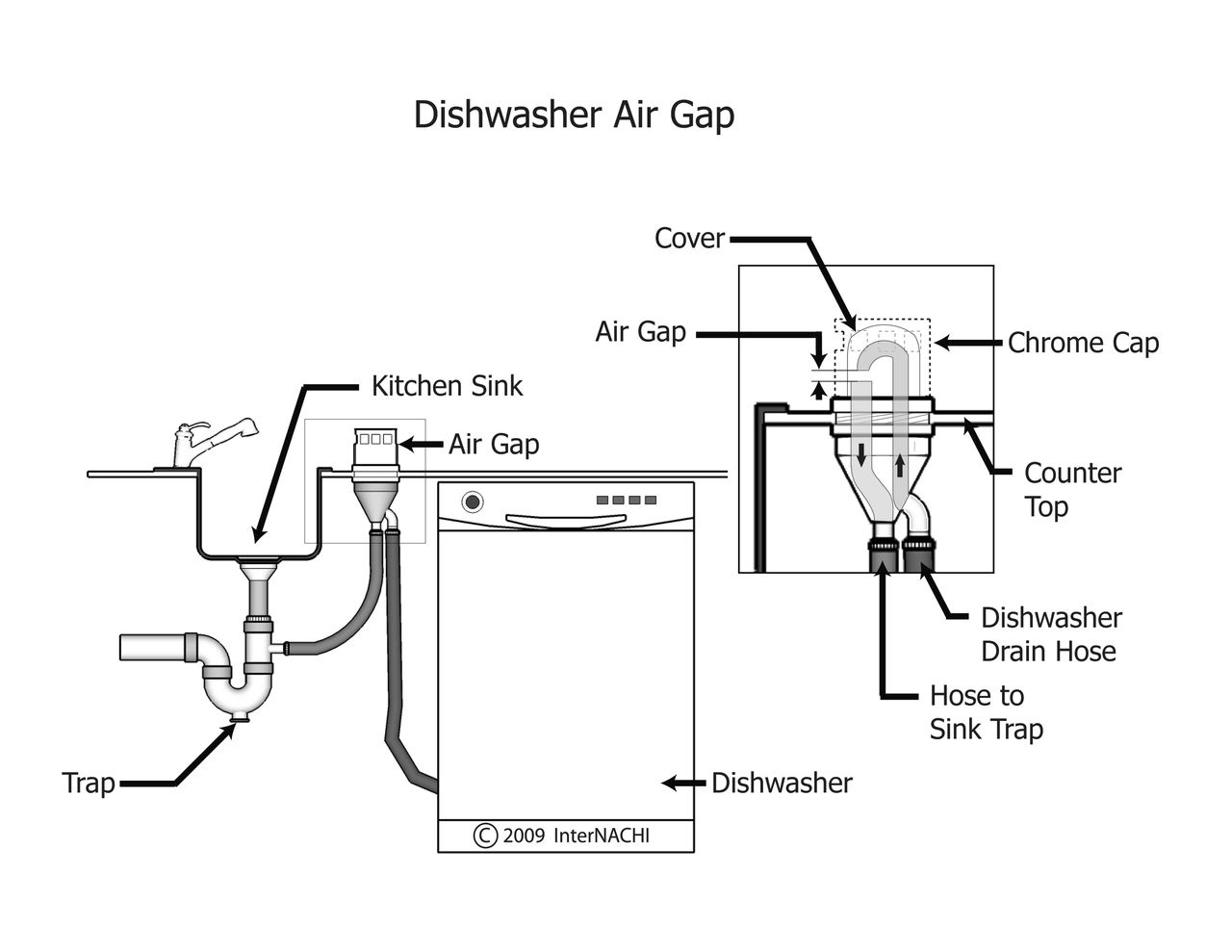
The air gap is a physical space between the water outlet and the flood level of a fixture. It stops backflow by breaking the connection between clean and dirty water. This method relies on gravity and air to block water from flowing backward.
Design And Installation
An air gap is easy to design. It requires a gap of at least twice the diameter of the water outlet pipe. The gap must be above the flood level of the sink or appliance.
Installation involves placing the water outlet high enough above the sink or drain. No direct contact with the water surface is allowed. This ensures air breaks the water path, stopping backflow.
Common Uses
Air gaps are common in kitchen sinks, dishwashers, and washing machines. They prevent dirty water from re-entering the clean water system. Many building codes require air gaps for safety reasons.
They are also used in commercial settings like restaurants and hospitals. These places need strict water safety measures to avoid contamination.
Benefits And Limitations
Air gaps offer a reliable way to prevent backflow without complex parts. They need no electricity or moving parts, making them low maintenance.
However, air gaps need enough space and proper height to work well. They can cause water splashing if the gap is too large. Also, air gaps do not filter or treat water; they only stop backflow.
High Loop Vs Air Gap
Choosing between a high loop and an air gap is key for safe plumbing. Both prevent water from flowing backward into clean water supplies. Understanding their differences helps you pick the right option for your home or business. This section compares high loops and air gaps on several important points.
Effectiveness In Backflow Prevention
A high loop raises the dishwasher drain hose above the sink’s flood level. This stops dirty water from flowing back into the dishwasher. It works well for most homes but may fail under strong back pressure.
An air gap creates a physical break between the drain hose and the sink drain. It prevents any chance of backflow by letting air enter the line. This method is the most reliable for backflow prevention.
Installation Complexity
Installing a high loop is simple. You just secure the drain hose high under the sink. No special parts are needed, and it fits most kitchens easily.
Installing an air gap is more complex. It requires drilling a hole in the sink or countertop. You must attach the air gap device and connect hoses properly. This can require professional help.
Compliance With Plumbing Codes
Many local plumbing codes accept high loops for dishwasher drains. They are common in residential settings. Check local rules before installation to ensure compliance.
Air gaps often have stronger code requirements. Many health and safety codes require air gaps in commercial kitchens. They meet strict rules for backflow prevention.
Cost Considerations
High loops cost little to install. They use existing parts and need no extra devices. It is a budget-friendly option for many.
Air gaps cost more. The device and installation fees add to the price. The higher cost reflects better protection and code compliance.
Choosing The Right Option
Choosing between a high loop and an air gap matters for your plumbing setup. Each option has benefits and fits certain needs better. Picking the right one protects your water and keeps your system working well. Here are key points to consider before deciding.
Assessing Plumbing Needs
Think about your sink and dishwasher setup. Some systems need an air gap to stop water from flowing back. Others work well with a high loop to keep water moving in the right direction. Check the type of drain and space available. Your choice depends on how your plumbing is built.
Local Regulations Impact
Local rules often decide what you can use. Some areas require an air gap for safety reasons. Others allow a high loop if it meets standards. Check building codes before installation. Following rules avoids fines and keeps your system safe.
Long-term Maintenance
Air gaps are easy to clean but can get clogged. High loops need less cleaning but must be installed correctly. Consider how much time you want to spend on upkeep. Proper maintenance keeps your plumbing running smoothly and prevents problems.
Credit: terrylove.com
Common Mistakes To Avoid
Choosing between a high loop and an air gap can be tricky. Many make mistakes that cause problems later. Avoiding common errors helps keep your system safe and working well. Learn what to watch out for.
Improper Installation
Installing a high loop or air gap wrong causes leaks and backups. Pipes must be fixed securely and placed at the right height. Using the wrong materials can lead to damage over time. Follow instructions carefully to avoid costly repairs.
Ignoring Code Requirements
Every area has rules for plumbing setups. Ignoring these codes can lead to fines or unsafe conditions. Know your local building codes before starting. Proper permits and inspections are often required for installations.
Neglecting Regular Inspections
Systems need regular checks to stay effective. Dirt, wear, or damage can block air gaps or loops. Catching problems early prevents bigger issues. Schedule inspections at least once a year for peace of mind.
Enhancing Plumbing Safety
Enhancing plumbing safety is essential to protect your home and health. Both high loops and air gaps prevent dirty water from flowing back into clean water supplies. Choosing the right method helps avoid contamination and costly repairs.
Additional Protective Measures
Install backflow preventers to stop water from moving backward. Use check valves to add another layer of protection. Ensure all plumbing parts meet local safety codes. Avoid using materials that corrode or wear out quickly. Place protective covers on exposed pipes to prevent damage.
Routine Maintenance Tips
Check your plumbing regularly for leaks or cracks. Clean drains and pipes to avoid blockages that cause backups. Test backflow devices twice a year to confirm they work well. Replace worn-out parts promptly to maintain safety. Keep an eye on water pressure to prevent pipe bursts.
Credit: elitesafetyohio.com
Frequently Asked Questions
What Is The Difference Between A High Loop And An Air Gap?
A high loop raises the drain hose, while an air gap uses a physical gap to prevent backflow.
Why Is A High Loop Important In Plumbing?
It stops dirty water from flowing back into the dishwasher or sink, protecting water quality.
How Does An Air Gap Prevent Water Contamination?
It creates a space where water cannot flow backward, stopping dirty water from mixing with clean water.
Can I Use A High Loop Instead Of An Air Gap?
Yes, but some local codes require an air gap for better protection against backflow.
Which Is Easier To Install: High Loop Or Air Gap?
A high loop is simpler and cheaper to install compared to an air gap device.
Are High Loops And Air Gaps Required By Law?
Requirements vary by location; always check local plumbing codes for specific rules.
Conclusion
Choosing between a high loop and an air gap depends on your needs. Both prevent water backflow and keep your system safe. A high loop is simple and easy to install. An air gap offers extra protection but needs more space.
Think about your setup and what fits best. Proper installation matters most for both options. This helps avoid plumbing problems and keeps water clean. In the end, the right choice improves your home’s water system safety. Simple steps lead to better results.