
Is your Hayward pool heater leaking water from the bottom? This can be frustrating and worrying, especially when you rely on your heater to keep your pool warm and enjoyable.
You might wonder what’s causing the leak and if it means a costly repair or replacement. Don’t worry—understanding the common reasons behind this issue can help you take quick action and protect your pool investment. Keep reading to find out what you can do to fix the leak and prevent further damage.

Credit: www.reddit.com
Common Causes Of Leaks
Water leaking from the bottom of a Hayward pool heater is a common issue. Identifying the cause helps fix the problem quickly. Several parts in the heater can wear down or break over time. These parts often cause leaks.
Understanding the common causes of leaks can save time and money. It also prevents further damage to the heater. Below are some frequent reasons for water leaks in pool heaters.
Worn Out Seals And Gaskets
Seals and gaskets keep water inside the heater. Over time, they can dry out or crack. Worn seals allow water to escape from the heater base. Replacing these parts often stops the leak.
Corroded Heat Exchanger
The heat exchanger transfers heat to the water. Corrosion can create holes or weak spots here. Water leaks through these damaged areas. Regular maintenance helps prevent corrosion damage.
Loose Or Damaged Connections
Pipes and fittings connect to the heater for water flow. Loose or broken connections let water drip or spray out. Checking and tightening connections can fix leaks fast.
Cracked Drain Valve
The drain valve removes water for cleaning or winterizing. Cracks or breaks in this valve cause leaks. Replacing a cracked valve stops water from dripping out.
How To Identify Leak Source
Finding the source of a leak in your Hayward pool heater is important. A leaking heater wastes water and may cause damage. Start by carefully checking the heater to spot where water escapes. Use simple tools and your senses to find the leak’s exact place. This saves time and money on repairs.
Visual Inspection Tips
Look closely at the heater’s bottom area. Check for cracks, rust, or loose parts. Notice any wet spots or water drops. Pay attention to pipe joints and seals. Use a flashlight if the area is dark. Clean dirt or debris to see clearly. Mark any suspicious spots for further checks.
Using A Leak Detection Dye
Leak detection dye helps find hidden leaks. Add the dye to the pool water near the heater. Watch for colored streaks or spots around the heater’s base. Dye moves with water, so it shows leak paths. This method works well for small or slow leaks. Use only pool-safe dye for best results.
Checking Water Pressure
Monitor the heater’s water pressure gauge. A steady drop in pressure may signal a leak. Compare pressure readings at different times. Sudden pressure changes can point to a break or hole. Low pressure often means water escapes somewhere. Confirm by combining pressure checks with visual inspections.
Listening For Unusual Sounds
Listen closely near the heater’s bottom. A hissing or dripping sound can reveal leaks. Use a quiet room or night time for better hearing. Put your ear close to pipes and joints. Sound helps find leaks not visible to the eye. Note any unusual noises for a repair expert.
Quick Fixes For Minor Leaks
Minor leaks in a Hayward pool heater can cause water to drip from the bottom. These leaks often have simple solutions. Fixing them quickly can save money and prevent bigger problems. Here are easy steps to try before calling a professional.
Tightening Loose Fittings
Loose fittings are a common cause of leaks. Check all the connections around the heater. Use a wrench to gently tighten any loose nuts or bolts. Do not overtighten, as this can cause damage. Tight fittings stop water from escaping and keep the heater working well.
Replacing Seals And Gaskets
Seals and gaskets prevent water from leaking at connection points. Over time, these parts can wear out or crack. Turn off the heater and drain the water. Remove old seals carefully and replace them with new ones. This simple swap can stop leaks and improve heater performance.
Applying Waterproof Sealant
Waterproof sealant can help seal small cracks or gaps. Clean the area around the leak first. Apply a thin layer of sealant on the affected spots. Let it dry fully before turning the heater back on. Sealant adds a strong barrier against water leaks.
Cleaning And Flushing The System
Debris buildup inside the heater can cause pressure and leaks. Drain the system completely. Flush it with clean water to remove dirt and scale. Clean parts work better and reduce chances of leaks. Regular flushing keeps your pool heater in good shape.
When To Call A Professional
Not all leaks under your Hayward pool heater require expert help. Some small drips may stop with simple fixes. Yet, certain signs suggest a bigger problem. Calling a professional at the right time avoids more damage and higher costs. It also ensures your safety around electrical and water parts.
Signs Of Major Damage
Look for water pooling around the heater base. Notice rust or corrosion on metal parts. Listen for unusual sounds like hissing or banging. Check if the heater stops working or heats unevenly. These signs mean the leak is more than a small drip. It needs expert repair to prevent total failure.
Safety Precautions
Turn off the heater and power before inspecting leaks. Avoid touching wet electrical parts or wires. Keep children and pets away from the heater area. Do not try to fix major leaks yourself. Water and electricity together can cause serious injury.
Cost Considerations
Professional repairs cost more than DIY fixes but last longer. Small leaks fixed early cost less and save money. Waiting too long can lead to heater replacement. A technician can give a clear estimate before work starts. This helps avoid surprise expenses later.
Finding A Certified Technician
Choose a technician certified by pool heater manufacturers. Check reviews and ask for references. Find someone who offers a warranty on repairs. Certified pros know Hayward heaters well. They fix leaks correctly the first time.
Preventing Future Leaks
Preventing leaks in your Hayward pool heater helps avoid costly repairs. It also keeps your pool heating efficiently. Taking simple steps can extend your heater’s life. Regular care protects your investment and gives peace of mind.
Regular Maintenance Schedule
Set a regular maintenance plan for your heater. Check for cracks, rust, or loose parts often. Clean the heater to remove dirt and debris. Replace worn seals or gaskets before they cause leaks. A small fix today stops bigger problems tomorrow.
Winterizing Your Heater
Winter can damage your pool heater if not prepared. Drain all water from the heater before cold weather arrives. Use antifreeze if recommended by the manufacturer. Cover the heater to protect it from snow and ice. Proper winter care prevents freeze damage and leaks.
Monitoring Water Chemistry
Keep your pool water balanced to protect the heater. Test pH, alkalinity, and chlorine levels regularly. Unbalanced water can corrode heater parts and cause leaks. Adjust water chemistry promptly to avoid damage. Balanced water means a longer heater lifespan.
Upgrading Older Models
Older heaters may have worn parts prone to leaks. Consider upgrading to a newer model for better reliability. New heaters often use better materials and technology. They save energy and reduce the chance of leaks. Investing in a new heater can save money over time.
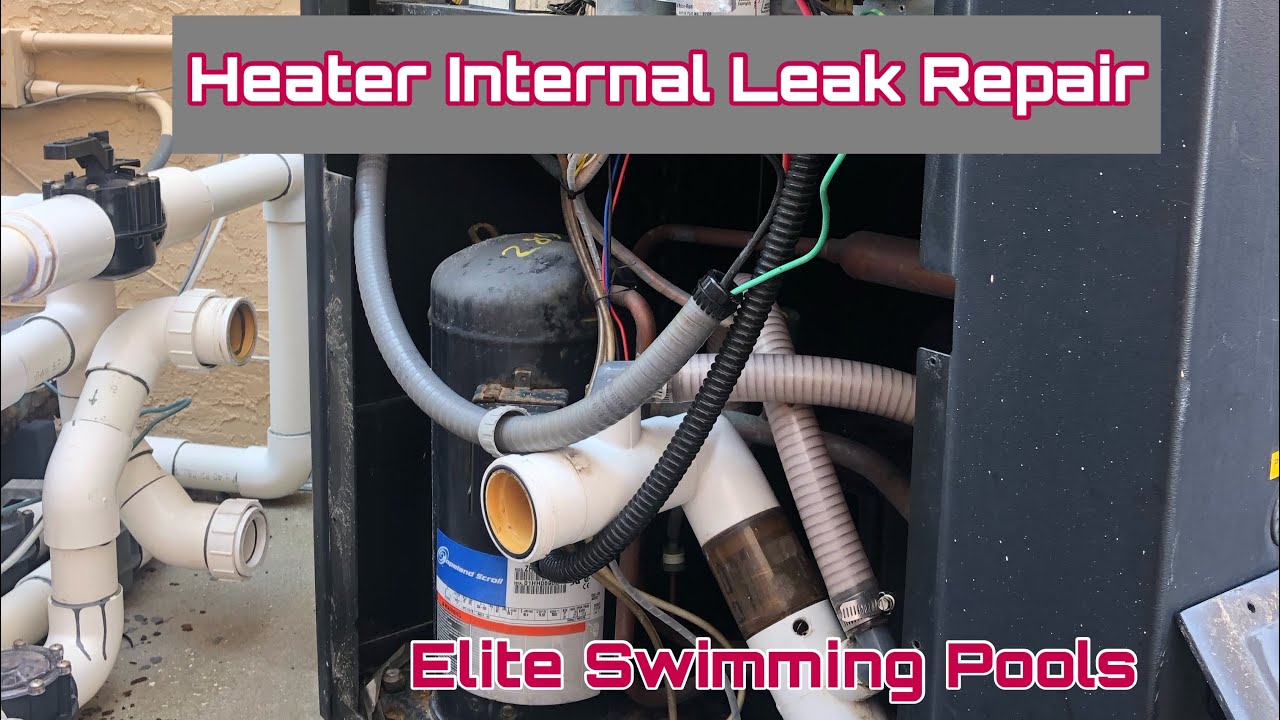
Credit: www.youtube.com

Credit: kasyfiskalnestaszow.pl
Frequently Asked Questions
Why Is My Hayward Pool Heater Leaking Water From The Bottom?
A leak from the heater’s bottom usually means a cracked heat exchanger or loose drain plug.
Can A Leaking Hayward Heater Cause Pool Water Loss?
Yes, leaks can lower pool water levels and reduce heating efficiency quickly.
How Do I Fix A Leak At The Bottom Of My Heater?
Check and tighten drain plugs or replace damaged seals and heat exchanger parts.
Is It Safe To Use A Leaking Hayward Pool Heater?
Using a leaking heater risks damage and electrical hazards; turn it off until fixed.
How Often Should I Inspect My Hayward Pool Heater For Leaks?
Inspect your heater every 3-6 months to catch leaks early and maintain good function.
Can Water Leaks Damage My Hayward Pool Heater’s Internal Parts?
Yes, leaks can cause corrosion and damage internal components, shortening heater lifespan.
Conclusion
A leaking Hayward pool heater can cause many problems. Fixing the leak quickly saves money and prevents damage. Check seals, pipes, and connections for cracks or wear. Regular maintenance helps avoid future leaks. Small issues often lead to bigger repairs if ignored.
Keep your pool heater working well for warm, comfortable water. Taking care of your heater ensures it lasts longer. Don’t let a leak spoil your pool enjoyment. Act fast and keep your pool ready for fun.