
Have you ever noticed grey dust settling at the bottom of your pool and wondered what it is? That mysterious layer can be frustrating and even worrying.
You might be asking yourself if it’s harmful, how it got there, and most importantly, how to get rid of it. Understanding the cause of this grey dust is the first step to keeping your pool clean and safe for you and your family.
Keep reading to discover what’s behind this common pool problem and how you can solve it quickly and effectively.

Credit: www.reddit.com
Common Causes Of Grey Dust
Grey dust at the bottom of a pool can be frustrating and puzzling. It often signals an underlying problem affecting water quality or pool equipment. Understanding common causes helps keep the pool clean and safe. Below are typical reasons why grey dust may appear.
Mineral Deposits
Minerals like calcium and magnesium settle at the pool bottom. Hard water increases this buildup. Over time, these deposits form a grey, dusty layer. They can make the pool surface rough and dull.
Algae And Organic Matter
Algae growth can cause grey dust in pools. Dead algae and plant matter break down into fine particles. These particles collect on the pool floor. Poor sanitation often allows algae to thrive.
Filter And Pump Issues
Faulty filters and pumps can cause grey dust. They fail to trap small debris and dirt. This lets dust settle on the pool floor. Regular maintenance avoids this problem.
Environmental Debris
Dust and dirt from the surrounding area enter pools. Wind carries fine particles from soil and plants. These particles sink and create grey dust. Covering the pool reduces this debris.

Credit: www.reddit.com
Identifying The Grey Dust
Grey dust on the bottom of a pool can cause concern for many pool owners. Identifying this dust helps in finding the right solution quickly. Knowing its characteristics and when it appears makes pool care easier. Understanding the dust better prevents damage and keeps the water clear.
Texture And Composition
The grey dust usually feels fine and powdery. It may look like dirt but is often made of tiny minerals. Sometimes, it is a mix of sand, calcium, or metal particles. The dust does not dissolve in water and can settle easily. Its texture helps tell it apart from algae or leaves.
Location In The Pool
The dust often gathers on the pool floor, especially in corners. It can also appear near drains or steps. Areas with low water flow collect more dust. Watching where the dust builds up gives clues about its source. Certain pool materials attract more dust than others.
Timing Of Appearance
The grey dust may appear after heavy rain or pool use. Sometimes, it shows up after cleaning or pool repairs. It can also form during changes in water chemistry. Knowing when the dust appears helps track its cause. Regular pool checks catch dust early and keep pools cleaner.
Effective Cleaning Methods
Grey dust on the bottom of a pool can spoil the clear water look. Cleaning it properly keeps your pool inviting and safe. There are simple and effective ways to clear this dust and keep your pool shining.
Vacuuming Techniques
Vacuuming is the first step to remove grey dust from the pool floor. Use a manual or automatic pool vacuum. Move slowly and cover all areas to pick up dust well. Vacuum in overlapping lines to avoid missing spots. Empty the vacuum bag or canister often to keep it working efficiently.
Brushing The Pool Floor
Brushing helps loosen stubborn dust and dirt stuck on the pool floor. Use a brush with nylon bristles for concrete or plaster pools. Brush in small sections with firm strokes. Focus on corners and steps where dust gathers. Regular brushing prevents dust buildup and keeps surfaces clean.
Using Pool Clarifiers
Pool clarifiers help clear cloudy water by gathering tiny particles. Add the correct amount of clarifier to the pool water. Run the pool pump for several hours to spread the clarifier evenly. The particles will clump and sink, making vacuuming easier. Clarifiers keep water clear and reduce grey dust buildup.
Maintaining Water Balance
Maintaining proper water balance is key to preventing grey dust on the bottom of your pool. Balanced water keeps the pool clean and safe. It stops minerals and particles from settling and causing problems.
Water balance means controlling pH, alkalinity, calcium hardness, and sanitizer levels. Each part works together to keep water clear and healthy. Unbalanced water invites scale, stains, and cloudy water.
Ph And Alkalinity Levels
pH measures how acidic or basic the water is. The ideal pH is between 7.2 and 7.6. Low pH can corrode pool surfaces and equipment. High pH causes scale and cloudy water.
Alkalinity helps stabilize pH. It should stay between 80 and 120 ppm. Low alkalinity makes pH change quickly. High alkalinity leads to scaling and grey dust.
Calcium Hardness
Calcium hardness shows how much calcium is in the water. Keep it between 200 and 400 ppm. Low calcium causes water to become corrosive. This can damage pool surfaces.
High calcium causes scale and grey dust to form. Scale sticks to walls and the pool floor. Checking calcium helps stop buildup and keeps water clear.
Chlorine And Sanitizer Control
Chlorine kills bacteria and keeps water safe. Maintain chlorine levels between 1 and 3 ppm. Too little chlorine lets algae grow. Too much chlorine can irritate skin and eyes.
Other sanitizers also help keep the water clean. Regular testing and adjusting sanitizer levels prevent grey dust. Clean water means a clean pool bottom.
Filter Maintenance Tips
Keeping your pool filter clean is key to stopping grey dust at the pool bottom. Dirt and debris get trapped in the filter, so it must work well. Simple steps can keep the filter clear and the water sparkling.
Regular Backwashing
Backwashing cleans the filter by reversing water flow. It pushes dirt out of the filter media. Do this once a week or when pressure rises. High pressure means the filter is clogged. Backwashing helps water flow smoothly again.
Filter Media Replacement
Filter media wears out over time. Sand, cartridges, or DE grids lose their filtering power. Change the media every 3 to 5 years. Fresh media traps dirt better and stops grey dust. Check the media condition during routine pool care.
Pump Inspections
The pump moves water through the filter. Check it for leaks or strange noises. Clean the pump basket regularly to remove leaves and dirt. A healthy pump helps the filter work at its best. Inspect the pump monthly for smooth operation.
Preventing Future Build-up
Preventing grey dust build-up on the bottom of your pool helps keep water clear and safe. Regular care reduces dirt, dust, and debris settling at the pool floor. A few simple steps can save time and effort later. Focus on cleaning, covering, and controlling the pool’s surroundings.
Routine Cleaning Schedule
Set a weekly cleaning plan for your pool. Skim the surface daily to remove dust and leaves. Vacuum the pool floor at least once a week. Brush pool walls and steps to stop dirt from sticking. Clean filters regularly to keep water flowing well.
Using Pool Covers
Use a pool cover when the pool is not in use. Covers block dust and debris from entering the water. They also reduce evaporation and keep water temperature steady. Choose a cover that fits your pool size correctly. Remove the cover carefully to avoid dropping dirt inside.
Managing Surrounding Environment
Keep the area around your pool clean and free of dust sources. Trim plants and trees to reduce falling leaves and pollen. Avoid using loose soil or sand near the pool edge. Place mats or rugs to catch dirt from feet. Good drainage helps prevent mud from washing into the pool.
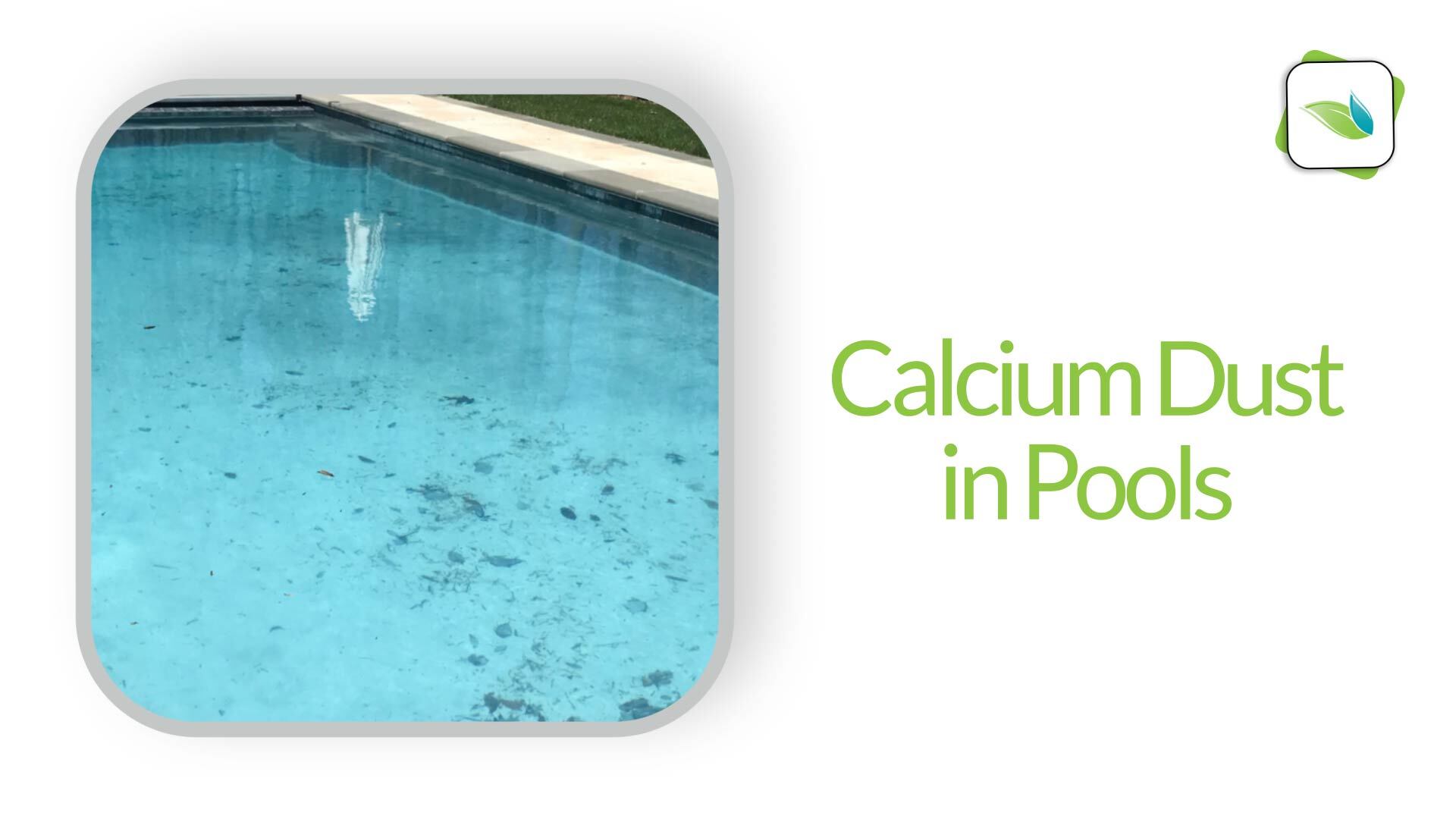
Credit: blog.orendatech.com
Frequently Asked Questions
What Causes Grey Dust At The Bottom Of My Pool?
Grey dust is usually fine dirt, algae, or metal particles settling on the pool floor.
Is Grey Dust Harmful For Swimmers?
Generally, grey dust is not harmful but can make the pool look dirty and slippery.
How Can I Prevent Grey Dust From Forming In My Pool?
Regular cleaning, balanced chemicals, and good filtration help prevent grey dust buildup.
What Cleaning Methods Remove Grey Dust Effectively?
Vacuuming the pool and brushing the floor help clear grey dust quickly.
Does Pool Water Chemistry Affect Grey Dust Formation?
Yes, improper pH or metal levels in water can increase grey dust and stains.
When Should I Call A Professional For Grey Dust Issues?
Call a pool expert if grey dust returns after regular cleaning and treatment.
Conclusion
Grey dust on the bottom of your pool can cause concern. It often comes from dirt, algae, or metal deposits. Regular cleaning and proper water balance help keep it away. Test your pool water often to spot problems early. Use the right tools to remove dust safely.
Clean pools look better and stay healthy. Taking small steps makes a big difference. Keep your pool inviting and clear all season long.