
When you shock your pool, you want the best results fast. But should you filter or recirculate the water afterward?
Making the right choice can save you time, keep your pool sparkling clear, and protect your equipment. You’ll discover the simple steps to take after shocking your pool, so you can enjoy clean, safe water without any guesswork. Keep reading to learn exactly what to do next—and why it matters for your pool’s health.
Shocking Basics
Understanding the basics of shocking your pool helps keep the water clean and safe. Shocking removes harmful bacteria and clears cloudy water. It also restores the pool’s sparkle and freshness. Knowing what shocking means and why it’s necessary makes pool care easier.
What Shocking Means
Shocking means adding a large dose of chlorine or other chemicals to the pool. This kills germs and breaks down organic waste. It helps get rid of algae and bacteria that normal chlorine levels cannot handle. Shocking is a quick way to reset the pool’s water balance.
Why Shocking Is Necessary
Pool water faces pollution from sweat, dirt, and leaves. These can cause bacteria growth and cloudy water. Shocking removes these contaminants fast. It also helps prevent algae and keeps swimmers safe. Regular shocking keeps the pool clean and clear for use.

Credit: www.amazon.com
Filter Vs Recirculate
Choosing between filtering and recirculating the pool water during shocking affects pool cleanliness and chemical balance. Understanding each method helps keep the pool safe and clear. Both methods have different impacts on water flow and chemical spread.
How Filters Work During Shocking
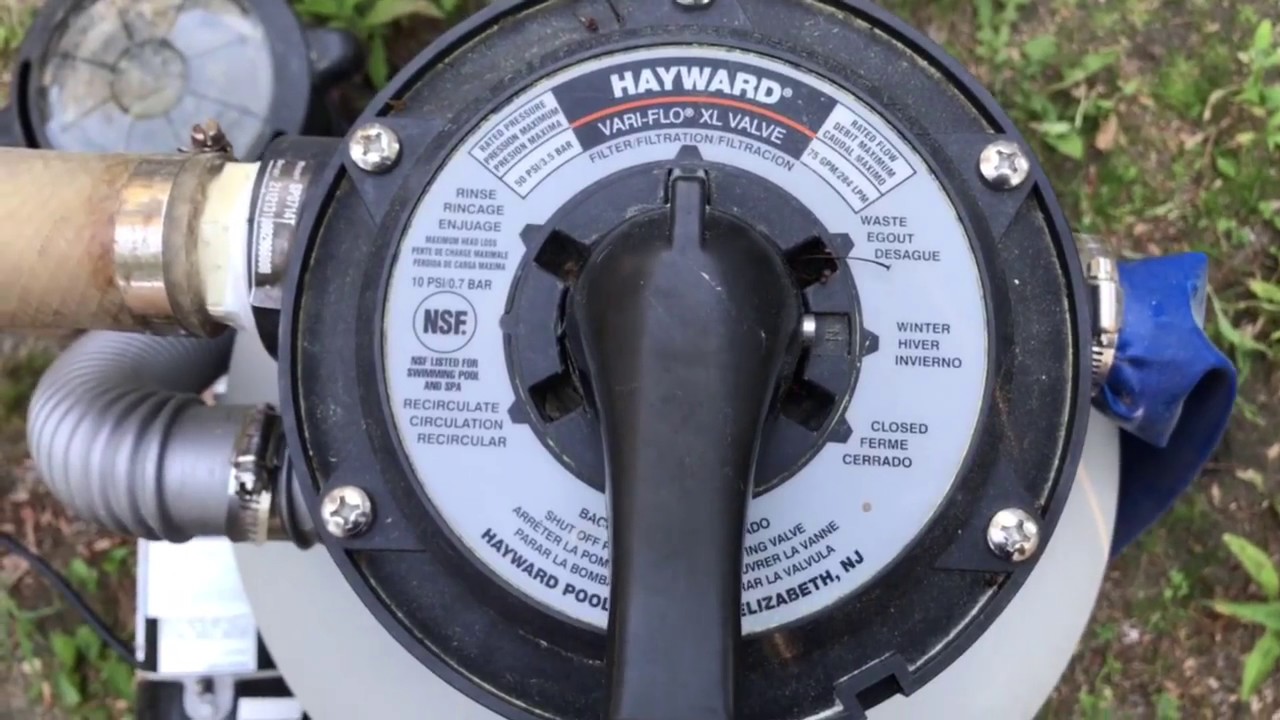
Filters clean pool water by removing dirt and debris. When shocking, filters run to pull out contaminants stirred up by chemicals. This keeps the water clear and helps chemicals mix evenly. Filter systems trap particles in sand, cartridges, or DE grids. Running the filter during shocking speeds up cleaning and improves water clarity.
Role Of Recirculation
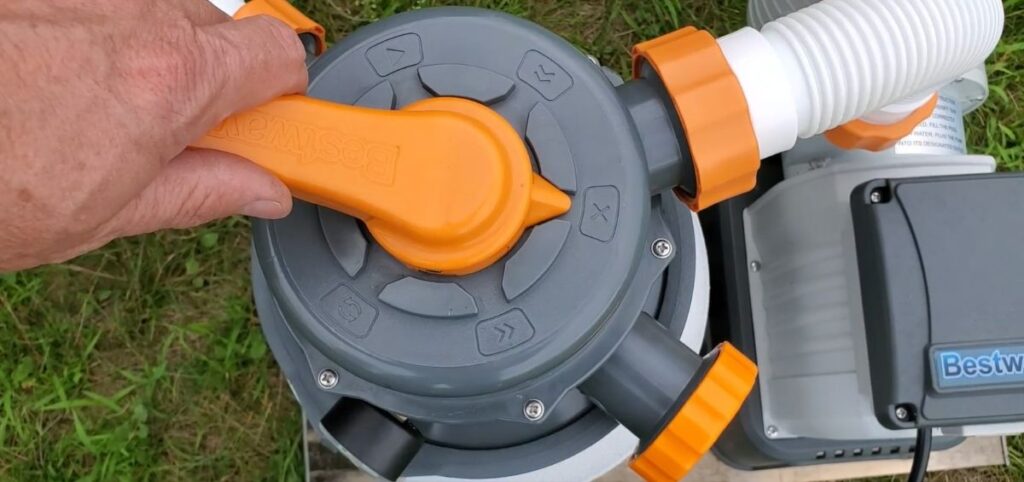
Recirculation moves water without passing it through the filter. It helps spread shock chemicals evenly throughout the pool. This method avoids clogging the filter with dead algae or debris. Recirculating keeps water moving, which prevents chemical buildup in one area. It can protect the filter from damage during heavy shocking.
Pros And Cons Of Each Method
Filtering removes particles but can clog during heavy shocks. It cleans water well but may need frequent cleaning after shocking. Recirculating protects the filter from clogging and spreads chemicals evenly. It does not remove debris, so water can stay cloudy longer. Filtering suits regular maintenance, while recirculating works well for strong chemical treatments.
Timing And Process
Knowing the right timing and process for filtering after shocking your pool is key. It helps keep the water clean and safe. This section explains when to start filtering, how long to run the filter, and signs to stop or keep filtering.
When To Start Filtering
Start filtering as soon as you finish adding shock. This helps spread the chemicals evenly. It also prevents harmful bacteria from staying in one place. Run the pump right after shocking the pool.
Duration Of Filtration After Shocking
Keep the filter running for at least 8 hours after shocking. This gives enough time to clear the contaminants. In hot weather, run it longer, up to 12 hours. This helps the pool recover faster and stay clean.
Signs To Stop Or Continue
Stop filtering when the water looks clear and smells fresh. Test the chlorine level; it should be back to normal. If the water is cloudy or smells strong, continue filtering. Also, test the pH and other chemicals to be sure.
Equipment Tips
Proper equipment care is key when shocking your pool. It keeps water clean and safe. Knowing how to handle your filter and pump helps the pool stay clear. This section gives simple tips to keep your equipment working well during shocking.
Choosing The Right Filter
Select a filter that fits your pool size. Sand filters are easy to clean and last long. Cartridge filters catch small dirt but need regular washing. Diatomaceous earth filters trap the finest particles but cost more. Match the filter to your pool’s needs for best results.
Maintaining Your Filtration System
Clean the filter often, especially after shocking. Backwash sand and DE filters to remove trapped debris. Rinse cartridge filters under water to clear dirt. Check the pump basket weekly to avoid blockages. Keep your system running at least 8 hours a day during shocking. This helps spread chemicals evenly in the water.
Safety Measures
Safety is the top priority when shocking a pool. Handling chemicals carefully and protecting everyone around keeps accidents away. Follow simple steps to ensure a safe pool environment during the shocking process.
Handling Chemicals Safely
Always wear gloves and eye protection when handling pool chemicals. Keep chemicals in a cool, dry place away from children and pets. Never mix different chemicals together; this can cause dangerous reactions. Measure chemicals carefully and add them slowly to the water. Avoid breathing in chemical dust or fumes. Wash your hands thoroughly after handling any chemicals.
Protecting Pool Users
Keep people and pets out of the pool during and after shocking. Follow the waiting time on the chemical label before swimming again. Inform all family members about pool safety rules during shocking. Cover the pool if possible to prevent accidental contact. Store pool chemicals safely to avoid spills and accidents. Clear signs or barriers can help keep the area secure.
Credit: www.youtube.com
Common Mistakes
Shocking a pool is a key step to keep water clean and safe. Many pool owners make mistakes during this process. These errors can reduce shock effectiveness and harm the pool.
Understanding common mistakes helps avoid problems. It ensures the pool stays clear and healthy after shocking.
Skipping Filtration
Some skip running the filter after shocking the pool. This stops the chemicals from spreading evenly. Dirt and bacteria stay in the water longer. The pool stays cloudy and unsafe.
Always run the filter for at least 8 hours after shocking. It helps remove dead algae and contaminants. Filtration is essential for quick water recovery.
Over-shocking Risks
Adding too much shock can damage pool surfaces and equipment. It may also irritate swimmers’ skin and eyes. Over-shocking wastes chemicals and does not improve water quality.
Use the correct shock amount based on pool size. Follow product instructions carefully. Testing water before and after helps maintain balance.
Expert Recommendations
Experts give clear advice on whether to filter or recirculate your pool water after shocking. Their tips help keep water clean and healthy. Understanding these steps makes pool care easier and more effective.
Best Practices For Clear Water
Run the pool pump and filter for at least 8 hours after shocking. This helps remove dead algae and debris. Use the filter instead of just recirculating to catch particles. Check the filter pressure and clean it if needed. Clear water means less chance of dirt and germs.
Optimizing Pool Health
Keep water balanced by testing pH and chlorine levels daily after shocking. Adjust chemicals slowly to avoid stress on the pool system. Turn on the filter to spread chemicals evenly throughout the pool. Recirculating alone does not clean water well. Proper filtering supports bacteria control and keeps swimmers safe.
Credit: poolsforfools.com
Frequently Asked Questions
Should I Filter Or Recirculate Pool Water After Shocking?
Filtering helps remove dead algae and contaminants, while recirculating spreads chemicals evenly.
How Long Should Pool Water Be Filtered After Shocking?
Filter the pool water for at least 8 to 12 hours after shocking.
Can I Recirculate Pool Water Without Filtering After Shock?
Recirculating without filtering won’t remove debris; filtering is important to clean the water.
Does Filtering Pool Water Speed Up Chlorine Shock Effects?
Yes, filtering helps distribute chlorine faster and removes particles, improving shock effectiveness.
When Is It Better To Recirculate Instead Of Filter Post-shock?
Recirculate if the water is clear and low in debris but still needs chemical mixing.
What Happens If I Don’t Filter Or Recirculate After Shocking?
Chemicals won’t spread well, and debris may stay, causing cloudy water and poor sanitation.
Conclusion
Shocking your pool is important to keep water clean and safe. Running the filter during shocking helps spread the chemicals evenly. It also removes dirt and debris faster. Recirculating water without filtering may leave particles behind. Always choose filtering to get the best results.
Clean water means a healthier swim and less work later. Simple steps like these keep your pool clear and fresh. Take care of your pool, and it will stay inviting all season. Easy to do, worth the effort.