
When it comes to finishing your doorway, you might wonder: should you choose a door saddle or a threshold? Both play a key role in protecting your home, but they aren’t the same.
Knowing the difference can save you time, money, and a lot of hassle. You’ll discover exactly what sets a door saddle apart from a threshold, and which one fits your needs best. Keep reading, because the right choice could make a big difference in your home’s comfort and durability.
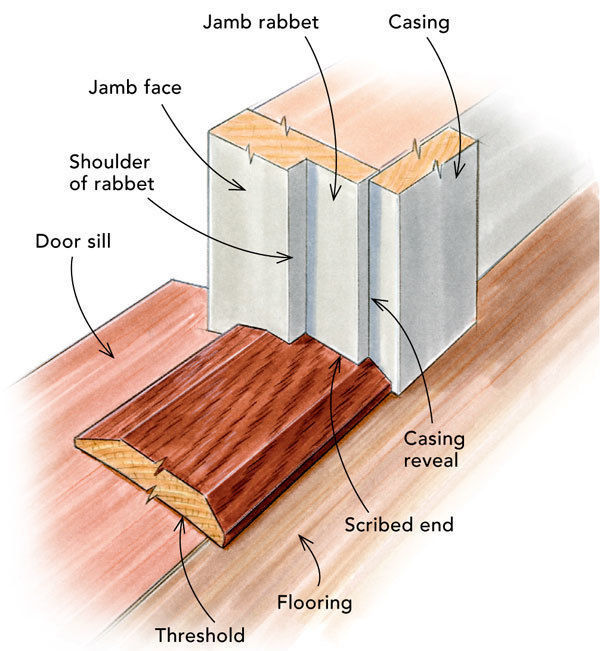
Credit: www.finehomebuilding.com
Door Saddle Basics
Understanding door saddles is important when choosing between a door saddle and a threshold. Door saddles help bridge gaps between rooms or outdoor spaces. They create a smooth transition and protect against water, dirt, and air leaks. Let’s explore the basics of door saddles.
Purpose And Function
Door saddles serve as a barrier at the bottom of doors. They stop water from entering homes during rain. They also reduce drafts, improving energy efficiency. Saddles help cover uneven floors between rooms. They make doorways safer and easier to cross.
Common Materials
Door saddles come in various materials. Aluminum is popular for its strength and rust resistance. Wood offers a classic look but needs sealing. Vinyl is affordable and resists moisture well. Stone or marble saddles add durability and style. Each material suits different needs and budgets.
Installation Process
Installing a door saddle requires careful measurement. The saddle must fit the doorway width exactly. First, clean the floor surface thoroughly. Then, apply adhesive or screws to secure the saddle. Seal edges to prevent water leaks. Proper installation ensures long-lasting protection.
Threshold Essentials
Thresholds are an important part of doorways. They sit at the bottom and help seal the gap. This stops drafts, water, and dirt from entering your home. Understanding the basics of thresholds helps you choose the right one. It also makes installation easier.
Below are key points about thresholds. Learn their role, what materials are common, and how to install them correctly.
Role In Doorways
Thresholds create a barrier at the doorway base. They keep outside air and moisture from coming inside. This improves energy efficiency and comfort. Thresholds also protect the floor from damage. They provide a smooth transition between rooms or outdoor spaces. This helps prevent tripping and adds to the doorway’s look.
Material Options
Thresholds come in many materials. Wood is common for indoor use and offers a warm look. Aluminum is lightweight and resists rust, good for outdoor doors. Vinyl is low-cost and easy to clean, but less durable. Rubber provides good sealing and flexibility. Choose material based on climate, door type, and style.
How To Install
Start by measuring the doorway width. Cut the threshold to fit exactly. Clean the floor area before placing the threshold. Use screws or adhesive to secure it in place. Make sure it fits tightly against the door bottom. Check for any gaps that may let air pass through. Proper installation ensures better performance and durability.
Key Differences
Door saddles and thresholds serve similar roles in doorways but differ in key ways. Understanding these differences helps in choosing the right option for your home or project. This section breaks down their design, sealing ability, and durability.
Design And Structure
A door saddle is a flat piece installed between two floors. It bridges different floor heights smoothly. A threshold sits directly under the door bottom. It often has a raised edge or slope. This shape helps doors close tightly. Saddles are usually wider than thresholds. Both come in materials like wood, metal, or stone.
Water And Air Sealing
Thresholds focus on stopping water and air from entering. Their raised edges block drafts and rain. Door saddles offer less sealing but help with smooth floor transitions. They reduce gaps under doors but do not seal tightly. For strong weather protection, thresholds are better. Saddles support comfort inside by reducing drafts.
Durability And Maintenance
Thresholds face more wear from foot traffic and weather. They need durable materials and regular cleaning. Door saddles last longer indoors with less damage. Maintenance is simple, usually just wiping dirt away. Both benefit from strong, weather-resistant materials. Proper care extends their life and keeps doors working well.

Credit: www.aprodoor.com
Choosing By Location
Choosing the right door saddle or threshold depends a lot on where it will be installed. Location affects durability, safety, and comfort. Different places require different materials and designs. Understanding these needs helps you pick the best fit for your door.
Indoor Vs Outdoor Use
Indoor door saddles or thresholds face less weather wear. They mainly block drafts and keep rooms warm. Materials like wood or soft metals work well inside. Outdoor use demands stronger materials. Metals that resist rust or heavy-duty plastics stand up to rain, snow, and sun. Outdoor thresholds also help keep water and dirt out of the home.
Climate Considerations
Climate influences how well a door saddle or threshold lasts. In wet areas, waterproof materials prevent damage and mold. Hot climates need materials that do not warp or crack under heat. Cold climates require options that handle ice and snow without breaking. Choose a design that matches local weather for longer life and less maintenance.
Building Codes And Standards
Building codes control the types of door saddles or thresholds allowed. These rules ensure safety and energy efficiency. Check local codes before buying. Some areas require specific heights or materials to prevent tripping or water leaks. Compliance saves future problems and fines. Always pick products that meet or exceed these standards.
Aesthetic Factors
Aesthetic factors play a big role in choosing between a door saddle and a threshold. Both affect how the doorway looks. They also influence the room’s style and feel. Small details can change the whole design of a space. Understanding these factors helps pick the best option for your home.
Style And Finish Options
Door saddles and thresholds come in many styles. You can find wood, metal, or stone finishes. Each material adds a different texture and color. Some have smooth surfaces, others are rough or patterned. Choosing the right style improves the doorway’s appeal. It can make the door look modern or classic.
Matching Door Frames
Matching the door frame with the saddle or threshold is important. Coordinated colors and materials create a clean look. A wood door frame pairs well with a wooden saddle. Metal thresholds work best with metal frames. This matching makes the entrance look neat and balanced.
Impact On Interior Design
The choice of door saddle or threshold affects the room’s design. A sleek threshold suits minimalist interiors. A rustic wooden saddle fits country-style homes. These elements connect different rooms visually. They help keep a smooth flow in the design. The right choice adds charm to the space.

Credit: www.aprodoor.com
Cost Comparison
Comparing costs between door saddles and thresholds helps you decide the best choice for your home. Both options vary in price based on materials, installation, and long-term durability. Understanding these factors can save money and avoid surprises.
Material Costs
Door saddles usually cost more than thresholds. Saddles use solid, durable materials like stone or metal. Thresholds often use wood or aluminum, which are cheaper. The price depends on size and finish. Higher quality materials last longer but cost more upfront.
Installation Expenses
Installing a door saddle can be more expensive. It needs precise fitting and sometimes cutting of floors. Thresholds are easier to install, often requiring less labor and time. Professional installation fees vary by location and project complexity.
Long-term Value
Door saddles tend to last longer and resist wear. They prevent water and air leaks better than thresholds. This can reduce energy bills and maintenance costs. Thresholds may need replacement or repair sooner, increasing future expenses.
Common Mistakes To Avoid
Choosing between a door saddle and a threshold can be tricky. Mistakes during installation can cause problems later. Avoiding common errors ensures a better fit and longer life for your door.
Incorrect Measurements
Measuring the door frame wrong leads to poor fitting. Too small or too large saddles create gaps or pressure. Always double-check length, width, and height before buying. Use a tape measure and record numbers carefully.
Poor Material Choice
Materials affect durability and appearance. Cheap materials wear out fast or break easily. Pick materials suitable for your climate and door type. Wood, aluminum, and rubber each have pros and cons. Match the material to the door’s use and location.
Ignoring Weatherproofing
Weatherproofing protects your home from drafts and water. Missing seals or gaps let moisture inside. This can cause damage and increase energy bills. Use weatherstripping or sealants around the saddle or threshold. Check regularly for wear and replace as needed.
Maintenance Tips
Maintaining door saddles and thresholds keeps them looking good and working well. Regular care prevents damage and costly repairs. Simple steps can help extend their life and keep your home safe.
Cleaning Methods
Clean door saddles and thresholds often to stop dirt build-up. Use a soft brush or cloth with mild soap and water. Avoid harsh chemicals that can damage surfaces. Rinse with clean water and dry fully to avoid water marks.
Repairing Damage
Check for cracks, chips, or loose parts regularly. Fill small cracks with suitable filler or sealant. Tighten or replace any loose screws or nails. Replace badly damaged pieces to keep safety and appearance.
Extending Lifespan
Apply sealant or protective coating to prevent water damage. Avoid heavy impacts and drag heavy items across the threshold. Keep the area clear of leaves and debris. Regular maintenance helps your door saddle or threshold last longer.
Frequently Asked Questions
What Is The Main Difference Between Door Saddles And Thresholds?
Door saddles are small pieces that cover the gap under doors, while thresholds are larger and cover the floor transition between rooms.
Why Should I Choose A Door Saddle Over A Threshold?
Door saddles provide a better seal under the door to stop drafts and water from entering.
Can Thresholds Help With Energy Efficiency In My Home?
Yes, thresholds reduce air leaks and help keep indoor temperatures steady, saving energy.
Are Door Saddles Suitable For Exterior Doors?
Door saddles work well for exterior doors to block water and dirt from coming inside.
How Do Thresholds Improve Accessibility In Homes?
Thresholds create smooth floor transitions, making it easier for wheelchairs or walkers to move between rooms.
What Materials Are Commonly Used For Door Saddles And Thresholds?
Wood, aluminum, and rubber are popular materials, chosen for durability and weather resistance.
Conclusion
Choosing between a door saddle and a threshold depends on your needs. Door saddles offer a smooth transition and help keep water out. Thresholds provide a raised barrier and add extra protection. Both improve your doorway’s function and appearance. Think about your climate and door type before deciding.
Proper installation ensures long-lasting results. Simple maintenance keeps them working well. Your choice affects comfort and home safety. Consider these points to pick the best option for your space.