
Have you ever wondered if water seeps through your pool cover? You might be surprised to learn that not all pool covers are created equal when it comes to keeping water out.
Whether you’re trying to keep your pool clean or save time on maintenance, knowing how well your cover protects your water is key. You’ll discover the truth about pool cover water resistance and what you can do to keep your pool in the best shape possible.
Keep reading—you’ll want to know these facts before your next swim season!

Credit: www.lowes.com
How Pool Covers Work
Pool covers act as a shield over your pool. They protect the water from dirt, leaves, and debris. They also help maintain water temperature. Understanding how pool covers work helps you choose the right one for your pool.
Types Of Pool Covers
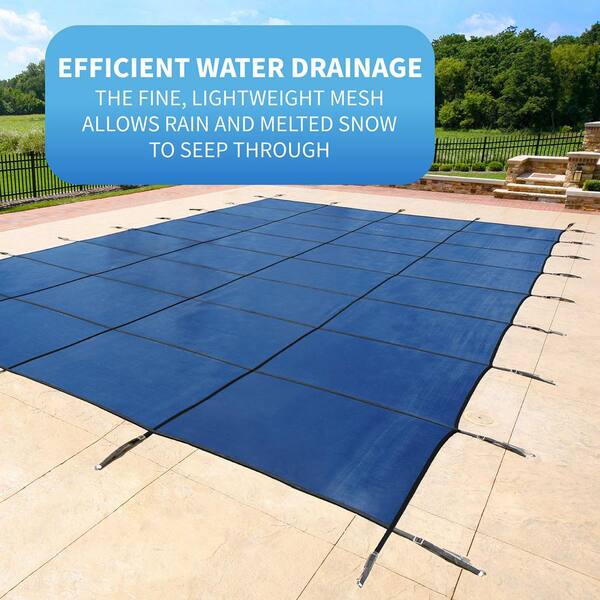
There are several types of pool covers. Solid covers block water and debris completely. Mesh covers allow water to pass but keep leaves out. Automatic covers open and close with a button. Each type serves different needs and budgets.
Materials Used
Pool covers use various materials. Vinyl is common for solid covers and is waterproof. Mesh covers use woven polyester or polyethylene. These materials are strong but let water seep through. Material choice affects durability and water protection.
Purpose And Benefits
Pool covers save water by reducing evaporation. They keep the pool cleaner by blocking debris. Covers help keep heat in, saving energy on heating. They also improve safety by preventing accidents. Using a cover reduces pool maintenance time and costs.
Credit: www.rickandanns.com
Water Seepage Factors
Water seepage through a pool cover depends on several key factors. These factors affect how much water can pass through or around the cover. Understanding them helps in choosing the right cover and maintaining your pool properly.
Each factor plays a role in keeping your pool clean and safe from unwanted water loss.
Cover Material Permeability
Not all pool covers block water the same way. Some materials are tighter and stop water better. Others let some water pass through. Covers made of plastic or vinyl usually block water well. Mesh covers allow rainwater to pass but keep debris out. The type of material affects how much water seeps through.
Seams And Edges
Seams and edges can be weak spots on a pool cover. Water may leak through poorly sealed seams. Edges that do not fit tightly can let water slip under the cover. Proper installation and good quality stitching reduce seepage. Checking seams and edges helps keep water inside the pool.
Weather Conditions
Weather affects water seepage in many ways. Heavy rain adds extra water that can overflow the cover. Strong winds may lift edges, letting water in or out. Sun exposure can weaken materials, causing cracks or holes. Cold weather can make covers stiff and less sealed. Weather changes impact how well a cover holds water.
Common Misconceptions
Many people believe water cannot pass through any pool cover. This is not always true. Some covers keep water out fully, while others let some water through. Understanding these differences helps in choosing the right cover.
Waterproof Vs Water-resistant
Waterproof pool covers block water completely. They have a solid layer that stops water from passing. Water-resistant covers slow down water but do not stop it all. They allow small amounts of water to seep through over time.
Knowing this difference avoids surprise when water appears on the pool cover. Waterproof covers protect better but may cost more. Water-resistant covers offer basic protection and are cheaper.
Effect Of Pool Cover Weight
Some think heavier pool covers stop water better. Weight helps keep the cover in place. It also prevents wind from lifting the cover. But weight does not always mean no water seepage.
Water can still pass through if the cover material is not waterproof. Heavy covers may hold rainwater on top, causing pooling. This can add stress on the cover and the pool sides.
Role Of Pool Cover Fit
A tight-fitting pool cover blocks debris and water better. Loose covers let water drip in at the edges. Proper fit stops water from slipping underneath.
Measure your pool before buying a cover. A snug fit improves water protection. Covers that sag or have gaps reduce effectiveness. Fit matters as much as material type.
Testing Water Seepage
Water seepage through a pool cover can cause damage and increase maintenance costs. Testing for seepage helps catch problems early. It shows if your pool cover is working well or needs repair. Simple tests can be done at home. Professional methods give deeper insights. Both approaches protect your pool and save money.
Simple Home Tests
Start by looking for wet spots on the cover. Use a dry cloth to wipe the surface and check for moisture. Fill a small bucket with water and place it on the cover. Watch if water leaks underneath after some time. Another way is to check the pool water level daily. A drop without swimming or evaporation hints at seepage.
Professional Inspection Methods
Experts use tools like moisture meters to detect hidden leaks. They may apply water pressure tests to find weak spots. Infrared cameras also help spot damp areas under the cover. These methods provide accurate and detailed results. Professionals can recommend the best fix based on findings. Their inspections help avoid major pool damage later.
Preventing Water Seepage
Water seepage through a pool cover can cause many problems. It can lead to debris buildup, algae growth, and water loss. Preventing water seepage keeps your pool clean and safe. It also saves you money on water and chemicals.
Choosing the right pool cover is the first step. Installing it correctly and maintaining it well helps stop water from seeping through.
Choosing The Right Cover
Select a cover made from strong, waterproof material. Vinyl covers are good at blocking water. Mesh covers allow some water to pass but keep debris out. Pick a cover that fits your pool size perfectly. A tight fit reduces gaps where water can leak.
Proper Installation Tips
Clean the pool area before placing the cover. Remove sharp objects that can damage it. Stretch the cover evenly over the pool surface. Secure the edges firmly using clips or weights. Avoid wrinkles and folds that trap water. Check the cover regularly to keep it tight and smooth.
Maintenance Practices
Remove leaves and dirt from the cover often. Use a soft broom or blower to clean gently. Check for holes or tears and patch them quickly. Keep the cover dry by draining standing water. Store the cover in a dry place when not in use. Regular care extends the cover’s life and prevents seepage.

Credit: www.reddit.com
Impact Of Water Seepage
Water seeping through a pool cover can cause several problems. The impact of this seepage affects the pool’s condition and the surrounding area. Understanding these effects helps maintain a safe and clean pool environment.
Pool Water Quality
Seepage allows dirt and debris to enter the pool. This contamination can lead to cloudy water. It also increases the chance of algae growth. Chemicals in the water may become unbalanced. This makes it harder to keep the pool clean and safe.
Structural Damage Risks
Water that seeps through can damage the pool structure. Excess moisture may cause cracks or weaken walls. Over time, this can lead to costly repairs. Surrounding areas like decks and patios can also suffer damage. Moisture can cause wood rot or mold growth nearby.
Cost Implications
Repairing damage caused by water seepage can be expensive. Increased chemical use raises maintenance costs. Frequent cleaning and water replacement add to the expenses. Ignoring seepage leads to bigger, more costly problems later. Proper pool cover care helps avoid these extra costs.
Frequently Asked Questions
Does Water Pass Through All Types Of Pool Covers?
Not all pool covers block water; some let rainwater seep through, depending on material and design.
Why Does Water Seep Through My Pool Cover?
Water seeps if the cover is porous, damaged, or not properly sealed around the pool edges.
Can A Pool Cover Protect Against Rainwater?
Certain pool covers block rain, but many allow water to pass, requiring manual water removal.
How To Stop Water From Leaking Through A Pool Cover?
Choose a solid, waterproof cover and ensure it fits tightly to prevent water seepage.
Does Water Seepage Damage The Pool Cover?
Water can weaken some covers over time, causing mold, mildew, or material breakdown.
Is Water Accumulation On A Pool Cover Harmful?
Yes, excess water can stress the cover and increase the risk of damage or collapse.
Conclusion
Water can sometimes pass through a pool cover. This depends on the cover’s material and design. Some covers let rainwater in but keep leaves and dirt out. Others stop almost all water from entering. Choosing the right cover helps keep your pool clean and safe.
Regular checks and maintenance make a big difference too. Knowing how water interacts with your pool cover saves time and effort. Keep your pool covered well, and enjoy clearer water all season. Simple steps lead to better pool care.