
Are you wondering if pool shock can raise your pool’s pH levels? Keeping your pool water balanced is key to a safe and enjoyable swim.
If your pH gets too high, it can cause cloudy water, skin irritation, and even damage your pool equipment. But does using pool shock affect this important number? Understanding how pool shock interacts with pH can help you maintain crystal-clear water and avoid costly problems.
Keep reading to discover the truth about pool shock and pH, so you can take control of your pool care with confidence.
What Is Pool Shock
Pool shock is a chemical treatment used to clean pool water quickly. It helps remove bacteria, algae, and other contaminants. Shocking the pool keeps the water clear and safe for swimming.
Shocking is necessary when the pool water looks cloudy or smells bad. It helps restore the pool’s chemical balance and kills harmful germs.
Types Of Pool Shock
There are different types of pool shock. The most common are chlorine-based and non-chlorine shock.
Chlorine shock is strong and fast-acting. It raises chlorine levels quickly to kill germs.
Non-chlorine shock uses other chemicals like potassium peroxymonosulfate. It cleans without raising chlorine levels.
Each type has its use depending on the pool’s needs and water condition.
How Pool Shock Works
Pool shock works by adding a large dose of oxidizer to the water. This oxidizer breaks down organic materials like sweat and oils.
The shock also kills bacteria and algae by breaking their cell walls.
After shocking, the pool water becomes clearer and safer for swimmers.
The process boosts the pool’s sanitation power fast and effectively.
Credit: www.poolgeek.com
Pool Ph Basics
Understanding pool pH is important for pool care. It helps keep the water safe and clean. pH tells us how acidic or basic the water is. This affects swimmers’ comfort and the pool’s equipment.
Pool shock can change the water chemistry. Knowing how pH works helps you manage these changes better.
Why Ph Matters
pH affects water quality and swimmer comfort. Low pH can irritate eyes and skin. High pH can cause cloudy water and scaling. It also impacts how well chlorine works. Balanced pH keeps the pool safe and clear.
Ideal Ph Range For Pools
The best pH range is between 7.2 and 7.8. This range is close to natural water and the human eye. Staying in this range helps chlorine kill germs well. It also protects pool surfaces and equipment.
Effect Of Pool Shock On Ph
Pool shock is a powerful chemical used to clean and sanitize pool water. It helps kill bacteria and clear cloudy water. Many pool owners wonder if pool shock changes the pH level of their water. Understanding how pool shock affects pH is important for keeping the water safe and balanced.
How Different Shocks Affect Ph
There are several types of pool shock. Each type impacts pH differently. Chlorine-based shocks often raise the pH. They add alkaline substances to the water. Non-chlorine shocks usually have less effect on pH. Some even lower the pH slightly. Knowing the type of shock helps predict pH changes better.
Immediate Vs Long-term Ph Changes
Pool shock causes an immediate change in pH right after adding it. This change can last a few hours. The pH may rise sharply then start to drop. Over several days, pH levels often return to normal. Regular testing is needed to keep pH balanced after shocking. Adjustments with pH increaser or decreaser might be necessary.
Factors Influencing Ph Changes
Pool shock can change the pH level in your swimming pool. Several factors affect how much the pH changes after shocking. Understanding these factors helps you keep your pool balanced and safe.
Water Chemistry
The current chemistry of your pool water plays a big role in pH changes. If the water is already alkaline, shock may raise the pH even more. Acidic water might see less pH increase. Total alkalinity and calcium hardness also affect how pH shifts after adding shock.
Shock Dosage And Application
The amount of shock you use affects pH levels directly. Using too much shock at once can cause a sudden spike in pH. Applying shock in smaller doses helps control these changes. How you add shock—slowly or all at once—also matters for pH stability.
Managing Ph After Shocking
Managing pH after shocking your pool is important for safe swimming. Pool shock can change the water’s pH level. Keeping pH in the right range protects your pool and swimmers.
Checking pH regularly helps you keep the water balanced. A balanced pool feels comfortable and keeps chemicals working well. Follow these steps to manage pH after you shock your pool.
Testing Ph Levels
Test the pH level soon after shocking the pool. Use a reliable pool test kit or strips. The ideal pH range is between 7.2 and 7.6. Check the pH daily until it stays stable.
Adjusting Ph Safely
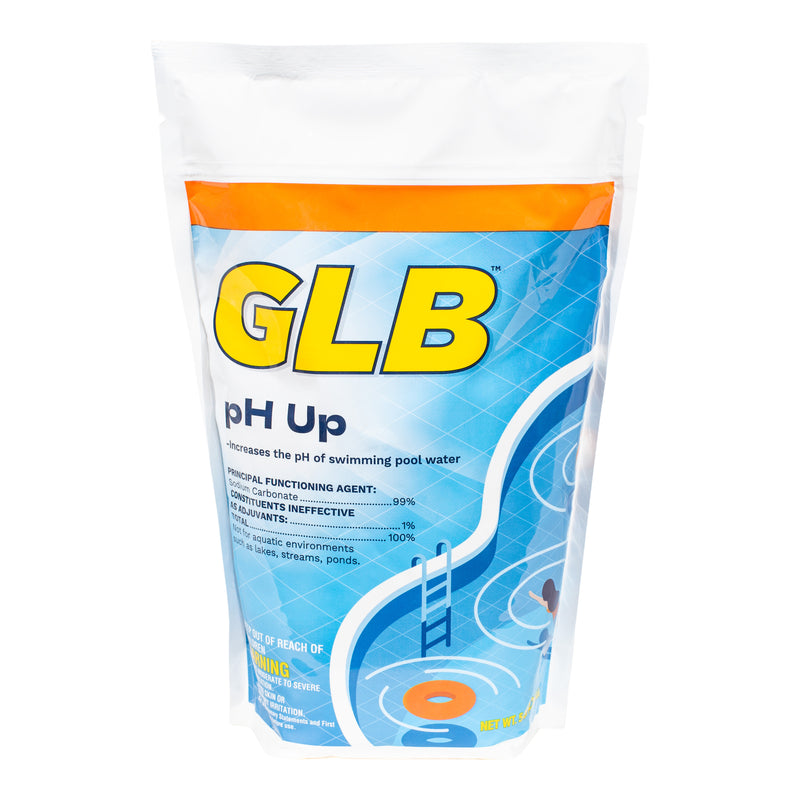
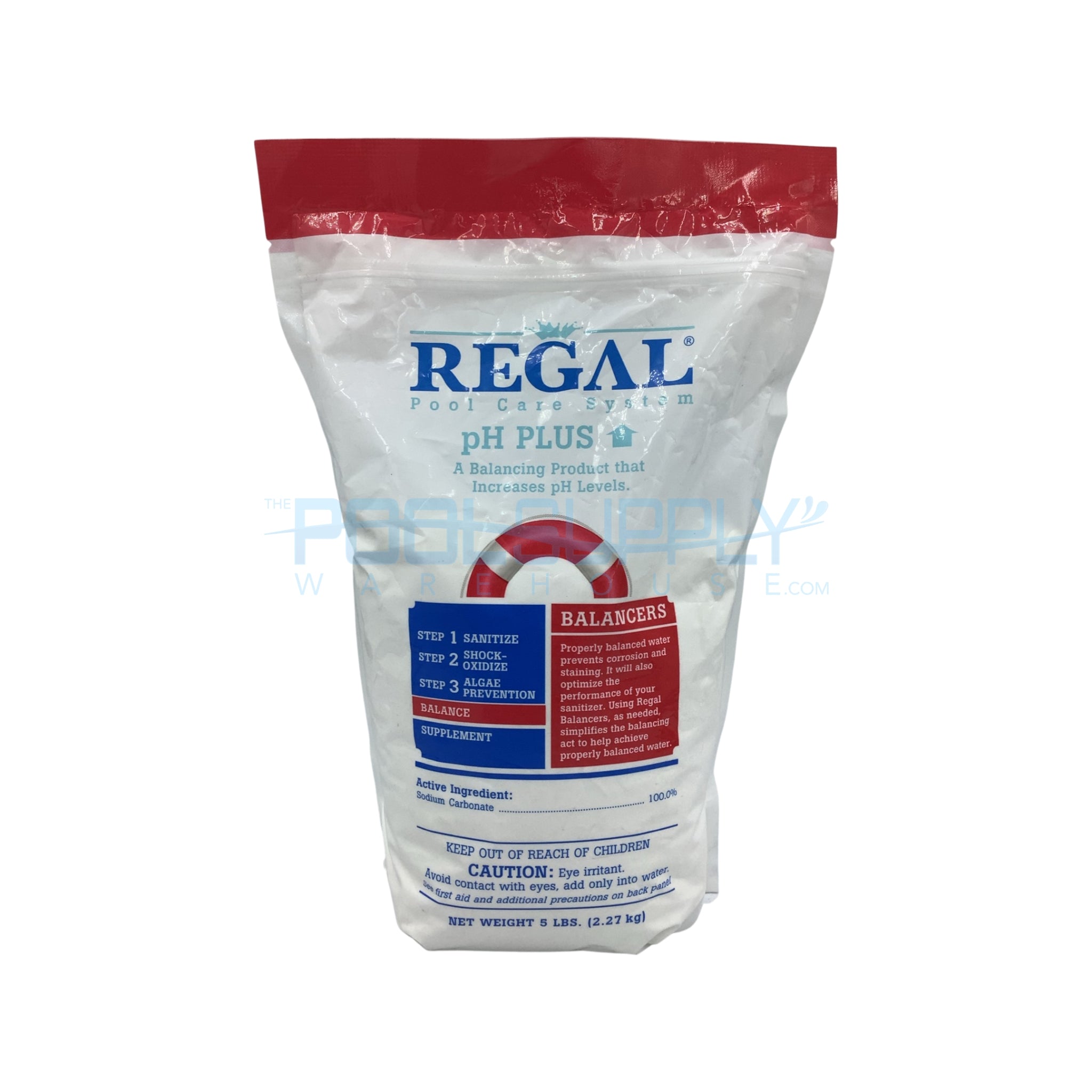
If pH is too high, add a pH reducer. Use products like muriatic acid or sodium bisulfate carefully. If pH is too low, add a pH increaser like soda ash. Add chemicals slowly and retest after each adjustment.
Credit: intheswim.com
Common Myths About Pool Shock And Ph
Many people have questions about pool shock and its effect on pH levels. Some ideas about pool shock are not correct. These myths can cause confusion and wrong pool care. Knowing the truth helps keep your pool safe and clear.
Understanding how pool shock works with pH is important. It helps avoid problems like cloudy water or skin irritation. Let’s clear up common myths about pool shock and pH.
Separating Fact From Fiction
One common myth says pool shock always raises pH. This is not true. Some types of pool shock can raise pH, but others do not. For example, calcium hypochlorite shock tends to increase pH. On the other hand, sodium bisulfate shock lowers pH.
Another myth claims pool shock damages pool surfaces by changing pH. Proper use of pool shock does not harm surfaces. pH changes only happen if you use shock incorrectly or in large amounts. Always follow product instructions to keep your pool safe.
People also believe shock must be added daily to control pH. This is false. Shocking should be done based on water tests, not a fixed schedule. Testing pH regularly helps decide when and how much shock to add.
Best Practices For Pool Maintenance
Maintaining a pool requires careful attention to water chemistry and regular checks. Proper care keeps the water safe and clear. It also extends the life of pool equipment and surfaces. Following best practices helps avoid common problems like cloudy water and algae growth.
Balancing Chemicals
Keep pool water balanced for comfort and safety. Test pH, chlorine, alkalinity, and calcium hardness regularly. Ideal pH ranges from 7.2 to 7.6. Chlorine kills bacteria and controls algae. Add chemicals slowly and in small amounts. Avoid large swings in chemical levels. Always follow product instructions for dosing. Balanced water prevents skin irritation and damage to pool parts.
Regular Monitoring Tips
Test pool water at least twice a week. Use a reliable testing kit or strips. Check pH, chlorine, and alkalinity levels carefully. Record results to track changes over time. Inspect pool for debris and algae growth. Clean skimmer baskets and filters regularly. After adding pool shock, test water more often. Quick action helps keep water clear and safe.
Credit: www.thepoolsupplywarehouse.com
Frequently Asked Questions
Does Pool Shock Raise Ph Levels In Water?
Pool shock can raise pH levels because it often contains alkaline chemicals like calcium hypochlorite.
How Long Does Pool Shock Affect Ph In Pools?
The pH usually rises for a few hours to a day after shocking the pool.
Can Pool Shock Lower Ph Instead Of Raising It?
Some pool shocks, like liquid chlorine, may lower pH slightly, but most raise it.
Should I Test Ph After Adding Pool Shock?
Yes, always test pH after shocking to keep the water balanced and safe.
How To Control Ph Rise After Pool Shock?
Use pH decreaser or acid to bring pH back to the ideal range after shocking.
Does High Ph Affect Pool Shock Effectiveness?
High pH can reduce shock’s ability to kill bacteria and keep water clean.
Conclusion
Pool shock can raise your pool’s pH level. This happens because many shock products contain chemicals that are alkaline. Keeping the pH balanced is important for clean and safe water. Test your pool water often to know its pH level.
Adjust the pH if it gets too high after shocking. This helps prevent problems like cloudy water or skin irritation. Knowing how pool shock affects pH helps you keep your pool healthy and enjoyable. Simple care makes a big difference in pool maintenance.