
Are you wondering if your inground pool really needs a bottom drain? It’s a common question that many pool owners ask but don’t always get a clear answer to.
The truth is, a bottom drain can make a big difference in keeping your pool clean and safe. But is it worth the extra cost and effort? You’ll discover what a bottom drain does, how it affects your pool’s maintenance, and whether it’s the right choice for your setup.
Keep reading to find out how this small feature could save you time, money, and headaches down the line.
Purpose Of A Bottom Drain
A bottom drain in an inground pool plays a key role in keeping the water clean and clear. It is a pipe located at the deepest part of the pool floor. This drain helps move water from the bottom to the filtration system. Pools without a bottom drain can face problems with water quality and debris buildup. Understanding the purpose of a bottom drain helps pool owners maintain their pools better.
Water Circulation Benefits
The bottom drain helps improve water circulation. It pulls water from the pool floor and sends it to the filter. This action moves the water evenly throughout the pool. Good circulation stops water from becoming stagnant. It also helps keep the temperature balanced. Without proper circulation, water can become dirty and unhealthy.
Debris Removal Function
The bottom drain removes dirt and debris that sink to the pool floor. Leaves, dirt, and other particles settle at the bottom over time. The drain sucks these particles into the filtration system. This prevents buildup and keeps the pool clean. It reduces the need for manual cleaning. A bottom drain helps maintain clear and safe pool water.
Types Of Pool Drain Systems
Pool drain systems play a key role in keeping water clean and safe. They help remove dirt, leaves, and debris from the pool. There are different types of drain systems for inground pools. Each system works in a unique way to circulate and filter the water. Understanding these types helps you decide what suits your pool best.
Single Vs. Multiple Drains
A single drain uses one main outlet at the pool’s bottom. It pulls water from one point and sends it to the filter. This setup is simple and less costly. But it may not clean the entire pool evenly.
Multiple drains have two or more outlets at the pool floor. They spread out suction to cover more area. This reduces dead spots where water stays still. Multiple drains improve water flow and cleanliness. They also enhance safety by lowering suction force at each drain.
Main Drain And Skimmer Interaction
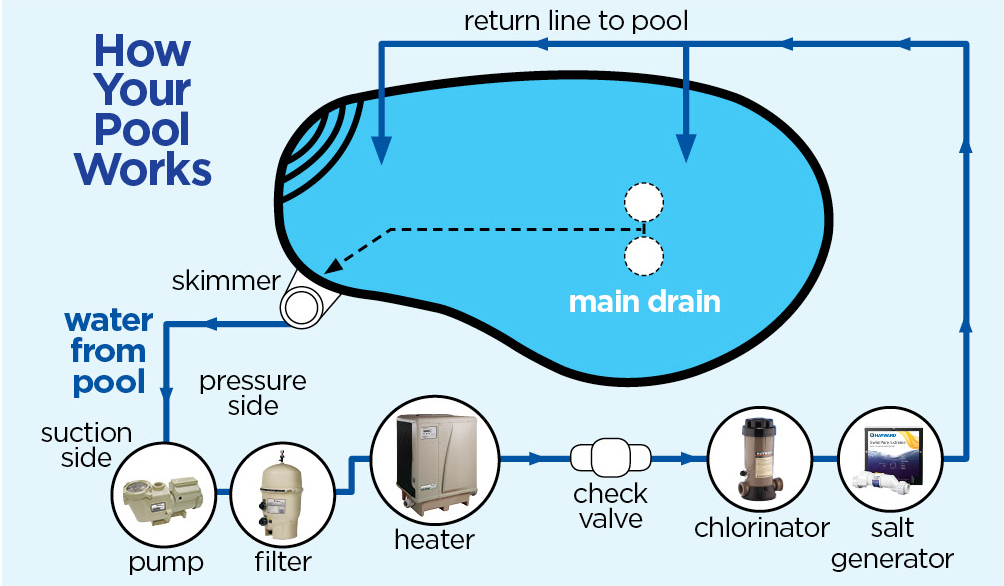
Main drains sit at the pool floor and pull water from the bottom. Skimmers are near the water surface. They catch floating debris like leaves and bugs. Both parts work together to clean the pool.
The main drain pulls dirt from the bottom. Skimmers catch debris on top before it sinks. This combination keeps the water clear and healthy. Proper balance between drains and skimmers is important. It ensures good water circulation and efficient cleaning.
Safety Considerations
Safety is the top priority for any inground pool. A bottom drain can affect how safe the pool is. It is important to think about risks and ways to stop accidents. Pools must protect swimmers from dangers linked to drains. Understanding these safety steps helps keep everyone safe in the water.
Anti-entrapment Measures
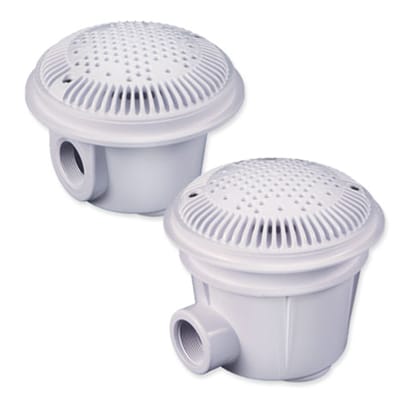
Bottom drains can cause strong suction. This suction can trap swimmers underwater. Pools need special covers to stop this risk. Anti-entrapment drain covers reduce suction force. They help prevent hair or body parts from getting stuck. Installing safety devices around drains is critical. These measures save lives and prevent injuries.
Compliance With Pool Codes
Local pool laws set safety rules for drains. These codes protect swimmers from suction hazards. Pools with bottom drains must follow these rules. Inspectors check if drains meet safety standards. Using approved drain covers is required by law. Meeting code requirements keeps pools safe and legal. Pool owners must stay updated on current codes.
Credit: www.poolwarehouse.com
Impact On Pool Maintenance
The impact of a bottom drain on pool maintenance is significant. It helps keep the pool cleaner and reduces the effort needed. A bottom drain can change how you manage dirt and chemicals in your pool. Understanding these effects can help you decide if your inground pool needs one.
Cleaning Efficiency
A bottom drain helps remove dirt from the pool floor. It allows debris to flow directly into the filtration system. This reduces the need for manual cleaning like vacuuming. The pool stays cleaner for longer periods. It also prevents dirt from settling and staining the pool surface. Overall, cleaning becomes faster and easier with a bottom drain.
Chemical Distribution
A bottom drain improves water circulation throughout the pool. Better circulation means chemicals spread evenly in all areas. This helps keep the water balanced and safe. It reduces spots where algae or bacteria can grow. Chemicals work more effectively, lowering the amount needed. Proper distribution also keeps the pool clear and comfortable for swimming.
Installation Factors
Installing a bottom drain in an inground pool requires careful thought. Several factors affect how easy or hard the installation will be. These include the pool’s design, the materials used, and the location of the drain. Knowing these details helps plan the work and avoid problems later.
Cost Implications
Adding a bottom drain can increase the total cost of your pool. The drain itself needs special parts and fittings. Labor costs rise because installation takes more time and skill. Plumbing work must be precise to avoid leaks or poor water flow. These added expenses should fit your budget before starting the project.
Design And Construction Challenges
Placing a bottom drain affects the pool’s structure and shape. The pool floor must slope gently toward the drain for water to flow well. This slope can change the pool’s depth and look. Construction crews need to work carefully to install the drain without damaging other parts. Choosing the right spot for the drain is key to good water circulation.
Alternatives To Bottom Drains
Bottom drains help keep inground pools clean by removing debris and water from the pool floor. Yet, some pools do not have bottom drains. There are other ways to keep the pool clean and water flowing well. These options work well for many pool owners.
Enhanced Skimmer Systems
Skimmers are the most common tool for cleaning pool surfaces. Enhanced skimmer systems have stronger suction and bigger baskets. They catch leaves, bugs, and dirt before it sinks. Some skimmers come with extra filters to trap smaller particles. This helps keep the water clear without a bottom drain.
These skimmers work by pulling water from the top layer. This method does not clean the pool bottom directly but reduces floating debris. It is a simple and cost-effective way to maintain pool water quality.
Robotic Pool Cleaners
Robotic pool cleaners move along the pool floor automatically. They scrub and vacuum dirt, algae, and debris. These devices do not need a bottom drain to work well. They have their own motors and filters to collect waste.
Robotic cleaners save time and effort. They reach places skimmers cannot clean. Many models can climb pool walls for a thorough clean. They help keep pools spotless without extra plumbing.
When Bottom Drains Are Recommended
Bottom drains play an important role in certain types of inground pools. They help remove debris and improve water circulation. Not every pool needs a bottom drain. Some pools benefit more than others from this feature. Understanding when bottom drains are recommended can help you make the right choice for your pool.
Large Or Deep Pools
Large pools hold more water and need better circulation. Bottom drains help move water from the deepest parts of the pool. This stops dirt and debris from settling on the pool floor. Deep pools especially benefit because water at the bottom can stay stagnant without proper flow. Bottom drains work with other pool drains to keep water cleaner and clearer.
Pools With Specific Water Features
Pools that have waterfalls, fountains, or jets need good water movement. Bottom drains help pull water toward the pump for filtration. This keeps water fresh and reduces algae growth. These water features increase water flow, and bottom drains support that movement efficiently. This makes the pool safer and more enjoyable to swim in.
Credit: pinchapenny.com

Credit: www.ebay.com
Frequently Asked Questions
What Is The Purpose Of A Bottom Drain In An Inground Pool?
A bottom drain helps remove dirt and water from the deepest part of the pool, improving cleanliness.
Does An Inground Pool Always Need A Bottom Drain?
Not always. Some pools work well without it, depending on size and cleaning needs.
How Does A Bottom Drain Improve Pool Water Circulation?
It pulls water from the pool’s bottom, helping to circulate and clean water evenly.
Can A Pool Function Without A Bottom Drain?
Yes. Pools can use surface skimmers and pumps instead to clean the water.
Does Installing A Bottom Drain Increase Pool Maintenance Costs?
It may add some cost, but it can reduce cleaning effort and improve water quality.
Are Bottom Drains Safe For Swimmers?
Properly installed drains are safe, but safety covers are important to prevent accidents.
Conclusion
A bottom drain helps keep pool water clean and clear. It moves dirt and debris to the filter quickly. Pools without a bottom drain may need more cleaning. This drain also helps balance water flow and temperature. Adding one can save time and effort in pool care.
Think about your pool size and use before deciding. A bottom drain is not always necessary but often useful. Choose what fits your pool and budget best.