
Are you struggling to keep your home comfortable during hot and humid days? You might be wondering whether a dehumidifier or an air conditioner is the better choice for your space.
Both devices can improve indoor comfort, but they work in very different ways. Choosing the right one can save you money, reduce energy bills, and make your living environment healthier. You’ll discover the key differences between a dehumidifier and an air conditioner, so you can make a smart decision that fits your needs perfectly.
Keep reading to find out which option is best for you!
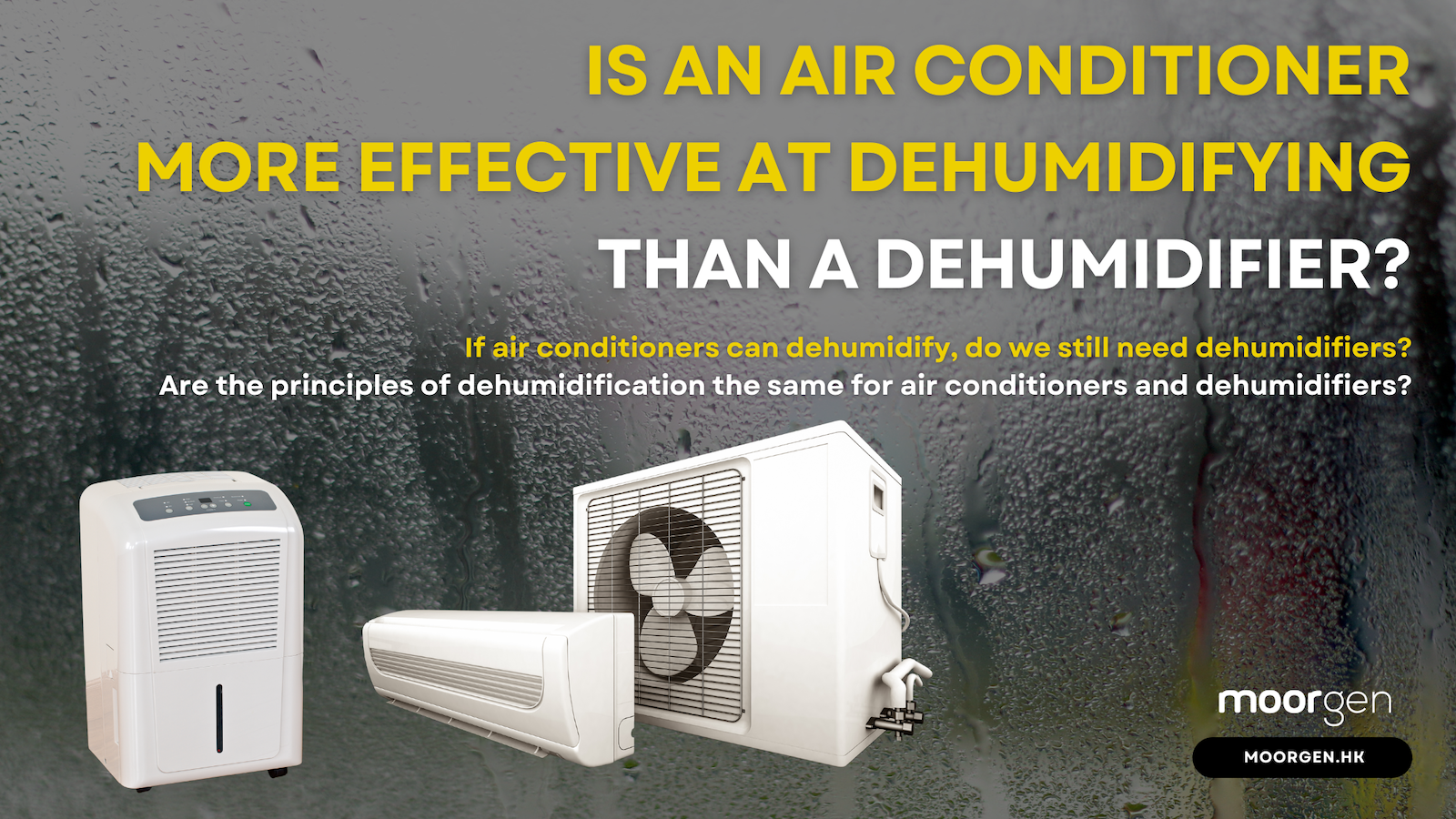
Credit: moorgen.hk
How Dehumidifiers Work
Dehumidifiers remove moisture from the air, making indoor spaces more comfortable. They reduce humidity levels, which helps prevent mold and dampness. Understanding how dehumidifiers work can help you choose the right one for your needs.
Basic Mechanism
Dehumidifiers pull warm, moist air inside the unit. The air passes over cold coils, causing water to condense. This water collects in a tank or drains away. The dry air then warms up slightly and returns to the room.
This process lowers the humidity without drastically changing the room temperature. It creates a drier, fresher environment, especially in damp areas.
Types Of Dehumidifiers
There are mainly two types: refrigerant and desiccant dehumidifiers. Refrigerant types use a cooling system to condense moisture. They work best in warm, humid conditions.
Desiccant dehumidifiers use a special material to absorb moisture. They work well in cooler or colder spaces. Each type suits different climates and room sizes.
Ideal Usage Scenarios
Dehumidifiers work well in basements, bathrooms, and laundry rooms. These areas often have high moisture levels. They also help in homes with poor ventilation.
Use them to prevent mold, mildew, and musty smells. They improve air quality and comfort, especially during rainy seasons.

Credit: learnmetrics.com
How Air Conditioners Work
Understanding how air conditioners work helps you see the difference between them and dehumidifiers. Air conditioners cool your room by removing heat and moisture from the air. This process makes your indoor space more comfortable during hot weather.
Cooling Process
Air conditioners use a refrigerant to absorb heat from inside your room. The warm air passes over cold coils filled with this refrigerant. The refrigerant captures the heat and turns it into gas. Then, the system moves the heat outside, releasing it into the air. The cooled air goes back into your room, lowering the temperature.
During this process, air conditioners also remove moisture from the air. This helps reduce humidity, making the room feel cooler and less sticky.
Types Of Air Conditioners
There are several types of air conditioners. Window units are small and fit in a window. They cool one room at a time. Split systems have two parts: one inside and one outside. These cool larger spaces quietly and efficiently. Portable units can be moved around and vent heat through a hose. Central air conditioners cool entire homes through ducts.
Best Settings For Comfort
Set your air conditioner to 24-26°C (75-78°F) for comfort and energy savings. Use a fan mode to circulate air without extra cooling. Adjust the humidity control if your unit has it. Keep doors and windows closed to keep cool air inside. Clean or replace filters regularly for better airflow and performance.
Dehumidifier Benefits
Dehumidifiers offer clear benefits, especially in places with high humidity. They help keep indoor air dry and comfortable. Using a dehumidifier can improve air quality and protect your home from moisture damage.
These devices work differently than air conditioners. They focus on removing moisture instead of cooling the air. This makes them ideal for controlling dampness without lowering the temperature.
Humidity Control
Dehumidifiers reduce excess moisture in the air. This helps prevent mold and mildew growth. They keep your home feeling fresher and less sticky. Proper humidity control also protects wood furniture and walls from damage.
Health Advantages
Lower humidity levels reduce allergens and dust mites. This helps people with asthma or allergies breathe easier. Dry air limits the growth of bacteria and fungi. It creates a healthier environment for everyone in the house.
Energy Efficiency
Dehumidifiers use less energy than air conditioners. They focus on moisture removal without heavy cooling. This can lower your electricity bill during humid months. Using a dehumidifier can be a cost-effective way to improve comfort.
Air Conditioner Benefits
Air conditioners offer more than just cooling. They help create a comfortable living space by managing temperature and air quality. Many people prefer air conditioners for their ability to adapt to different needs throughout the year. Let’s explore some key benefits of air conditioners.
Temperature Control
Air conditioners cool down rooms quickly and keep temperatures steady. They remove heat from the air, making indoor spaces cooler and pleasant. This control helps avoid discomfort from hot weather. You can set the exact temperature you want and enjoy a cozy environment.
Air Quality Improvement
Air conditioners filter out dust, pollen, and other particles from the air. This improves indoor air quality and reduces allergens. Cleaner air can help people breathe easier and lower the risk of allergies. Many units also reduce humidity, which limits mold growth.
Versatility In Seasons
Some air conditioners have heating functions for colder months. This makes them useful all year round, not just in summer. You can cool your home in summer and warm it in winter with one device. This versatility adds value and convenience to your living space.
Comparing Energy Consumption
Energy consumption plays a key role in choosing between a dehumidifier and an air conditioner. Both devices affect electricity bills differently. Understanding their power use helps you save money and energy.
This section compares how much energy each uses and what it means for your wallet and the planet.
Power Usage Patterns
Air conditioners use more power because they cool and remove moisture. Dehumidifiers only remove moisture, so they use less energy. Running a dehumidifier for a long time usually costs less than running an air conditioner.
Cost Implications
Higher power use means higher electricity bills. Air conditioners often increase monthly costs more than dehumidifiers. Dehumidifiers can be a budget-friendly option for controlling humidity without cooling the air.
Environmental Impact
Using less energy lowers carbon emissions. Dehumidifiers usually have a smaller environmental footprint. Air conditioners release more greenhouse gases due to higher electricity use. Choosing devices with low energy consumption helps protect the environment.
Noise Levels And Comfort
Noise levels play a big role in comfort when using a dehumidifier or air conditioner. Both machines create sound while running. This noise can affect how relaxed you feel at home or how well you focus at work. Choosing the right device means thinking about how loud it is and how it fits into your daily life.
Operating Sounds
Dehumidifiers usually make a low humming noise. Some models have a fan that adds a soft whoosh sound. Air conditioners tend to be louder because they have bigger compressors. The noise can range from a gentle buzz to a stronger drone. Sounds vary depending on the brand and size of the unit.
Impact On Sleep And Work
High noise levels can disturb sleep and reduce concentration. Loud air conditioners might make it hard to fall asleep. Dehumidifiers with quieter sounds help create a calm environment. At work, noise distractions reduce productivity. Choosing a quieter option helps maintain focus and comfort all day.
Quiet Model Options
Many brands offer models designed for low noise output. Look for devices labeled as “quiet” or “silent.” Some use advanced technology to reduce sound. Portable dehumidifiers often run quieter than large air conditioners. Checking noise ratings before buying helps find a peaceful choice.
Maintenance And Lifespan
Maintenance and lifespan are key factors when choosing between a dehumidifier and an air conditioner. Both devices need regular care to work well and last long. Understanding their cleaning needs, common repairs, and durability helps you make a smart choice.
Cleaning Requirements
Dehumidifiers need frequent filter cleaning to remove dust and mold. The water tank requires regular emptying and cleaning to prevent bacteria. Some models have washable filters for easy maintenance.
Air conditioners also need clean filters to keep air fresh and flow smooth. The coils and fins must be cleaned to avoid dirt buildup. Regular maintenance of the drainage system is important to stop leaks.
Common Repairs
Dehumidifiers often face motor or fan problems. Water leaks or sensor failures are common issues. Most repairs are simple and cost less than air conditioner fixes.
Air conditioners may need compressor or refrigerant repairs. Electrical faults and thermostat issues happen too. Repair costs are usually higher due to complex parts.
Durability Factors
Dehumidifiers tend to last about 5 to 10 years. Proper cleaning and avoiding overuse can extend their life. They have fewer parts, which means less chance of breakdown.
Air conditioners can last 10 to 15 years with good care. Their lifespan depends on usage, quality, and timely servicing. Harsh weather or poor maintenance shortens their durability.
Choosing Based On Climate
Choosing between a dehumidifier and an air conditioner depends a lot on your climate. Both devices help improve indoor comfort but serve different purposes. Understanding your local weather helps you pick the right one for your home. This guide breaks down the choice based on climate factors.
Humid Vs Dry Regions
In humid regions, excess moisture causes discomfort and mold growth. A dehumidifier removes moisture from the air, making rooms feel cooler and fresher. Air conditioners also reduce humidity but focus more on cooling the air.
Dry regions have low humidity, so moisture is not a big problem. Air conditioners work best here to lower the temperature. Using a dehumidifier in dry areas may make the air feel too dry and uncomfortable.
Seasonal Considerations
During hot and humid summers, both cooling and dehumidifying are needed. An air conditioner reduces heat and some moisture at the same time. A dehumidifier can help if humidity remains high even after cooling.
In cooler seasons, heating is more important than cooling. A dehumidifier can improve comfort by reducing dampness. Air conditioners are less useful during cold months unless they have heating features.
Combining Both Devices
Some homes benefit from using both a dehumidifier and an air conditioner. The air conditioner cools the room, while the dehumidifier controls moisture levels. This combo works well in very hot and humid climates.
Using both devices lets you customize your indoor comfort. You can run the air conditioner for cooling and turn on the dehumidifier when humidity rises. This approach keeps your home comfortable year-round.
Cost Comparison
Choosing between a dehumidifier and an air conditioner often depends on cost. Understanding the expenses helps make a clear choice. Costs vary from buying the device to running it daily. Comparing these costs can guide your decision.
Initial Investment
Dehumidifiers usually cost less than air conditioners. Basic models start at a low price. Air conditioners need more money upfront. Installing an air conditioner often adds to the cost. Size and brand affect the price for both.
Running Expenses
Dehumidifiers use less electricity than air conditioners. They run efficiently for long hours. Air conditioners consume more power to cool spaces. Higher electricity bills come with air conditioners. Regular maintenance costs also add up for both devices.
Long-term Savings
Dehumidifiers save money on energy bills over time. They reduce moisture without heavy power use. Air conditioners lower temperature but at a higher cost. Long-term expenses include energy and repairs. Choose based on your budget and needs.
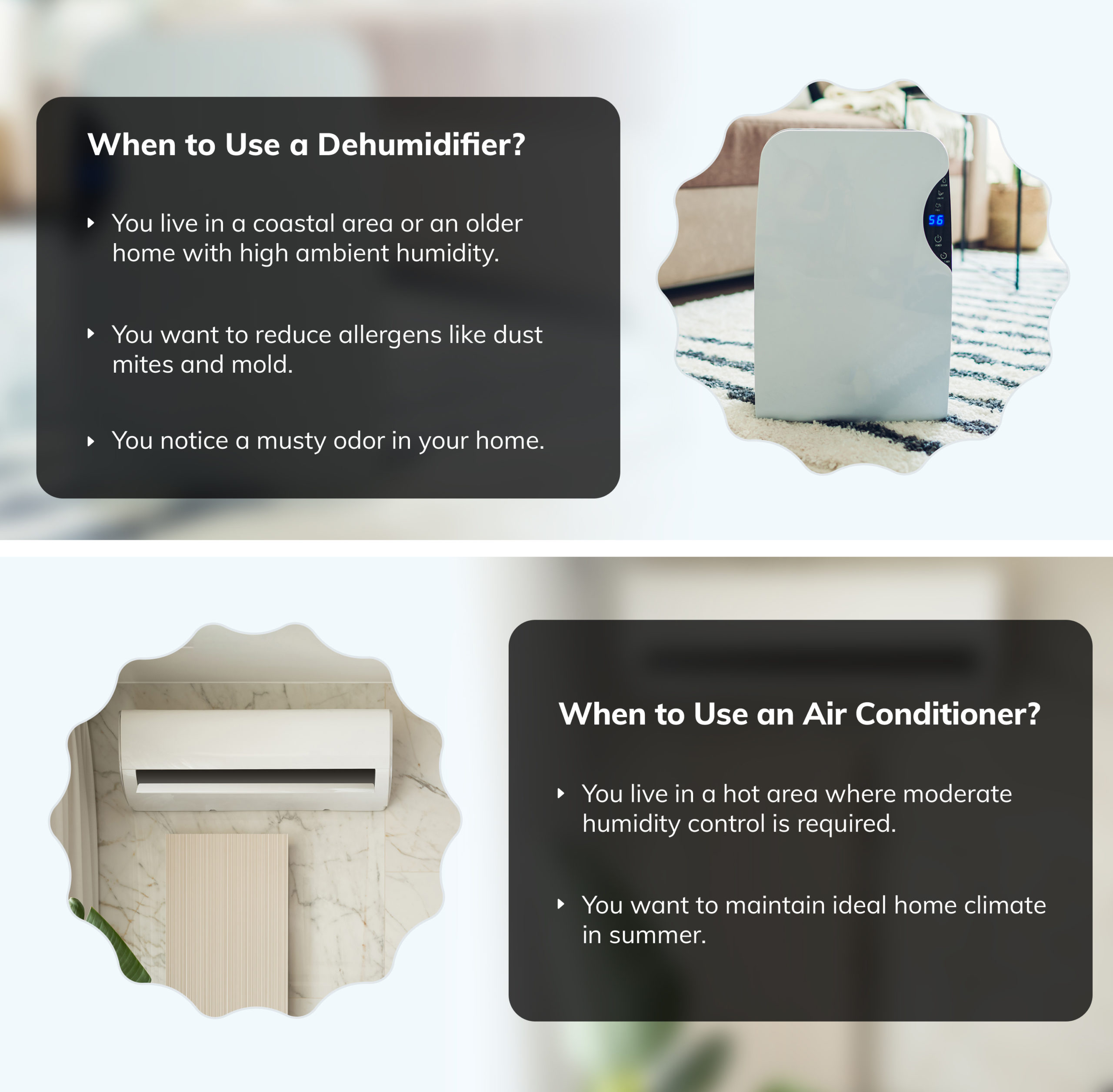
Credit: cielowigle.com
When To Pick A Dehumidifier
Choosing between a dehumidifier and an air conditioner depends on the specific needs of your space. A dehumidifier removes excess moisture from the air. It helps control humidity levels without cooling the room like an air conditioner does. Understanding when to pick a dehumidifier can improve comfort and protect your home.
Signs You Need One
Check for musty smells in your room. Damp walls or windows often have condensation. Mold or mildew growth on surfaces signals high humidity. You might feel sticky or sweaty even without heat. These signs show a dehumidifier can help.
Room Size And Placement
Dehumidifiers work best in small to medium rooms. Large rooms may need a bigger unit or multiple devices. Place it where air circulates well, away from walls and furniture. Basements, bathrooms, and laundry rooms are good spots for a dehumidifier.
Health Concerns
High humidity can worsen allergies and asthma. Dust mites and mold thrive in moist air. Using a dehumidifier reduces these triggers. It creates a healthier environment for breathing and skin. People with respiratory issues benefit the most.
When To Pick An Air Conditioner
Choosing between a dehumidifier and an air conditioner depends on your needs. An air conditioner suits homes with heat and humidity. It cools the air while reducing moisture. Understanding when to pick an air conditioner helps keep your space comfortable.
Temperature Issues
Air conditioners lower the room temperature. They work well in hot weather. If heat makes your room uncomfortable, an air conditioner is best. Dehumidifiers only remove moisture, not heat. For cooling needs, air conditioners are necessary.
Space Cooling Needs
Air conditioners cool large areas effectively. They spread cool air evenly across rooms. Dehumidifiers focus mainly on moisture, not cooling. When a whole room needs cooling, choose an air conditioner. It creates a fresh, cool environment quickly.
Additional Features
Modern air conditioners offer extra functions. Some models have air filters to clean the air. Others include timers and remote controls. These features add convenience and comfort. Dehumidifiers usually lack these extras. For more than moisture control, air conditioners fit better.
Frequently Asked Questions
What Is The Main Difference Between Dehumidifiers And Air Conditioners?
Dehumidifiers remove moisture from the air, while air conditioners cool the air and reduce humidity.
Can A Dehumidifier Cool A Room Like An Air Conditioner?
No, dehumidifiers only reduce humidity and do not lower room temperature significantly.
Which Device Is Better For Controlling Indoor Humidity?
Dehumidifiers are designed specifically to control and reduce indoor humidity effectively.
Do Air Conditioners Use More Energy Than Dehumidifiers?
Air conditioners generally consume more energy because they cool and dehumidify simultaneously.
Can Using A Dehumidifier Improve Air Quality?
Yes, dehumidifiers reduce mold and dust mites by lowering moisture levels indoors.
Is It Okay To Use Both Dehumidifier And Air Conditioner Together?
Yes, using both can keep air cool and dry, improving comfort in humid areas.
Conclusion
Choosing between a dehumidifier and an air conditioner depends on your needs. A dehumidifier removes moisture and helps with dampness. An air conditioner cools the air and lowers temperature. Both improve indoor comfort but serve different purposes. Think about your climate and what bothers you most.
Do you need cooler air or less humidity? Understanding this helps you pick the right device. Either way, both can make your home feel better and healthier. Simple choices bring better living spaces.