
If you’ve noticed cracks or gaps around the edges of your pool, it might be time to think about replacing the mastic. But how much will it actually cost you?
Understanding the cost to replace mastic around your pool is crucial before you start any repairs. You want to protect your investment and keep your pool looking great, without overspending. You’ll discover what affects the price, what materials are involved, and how to get the best value for your money.
Keep reading—your pool’s health and your wallet will thank you.
Factors Affecting Mastic Replacement Cost
Several factors affect the cost to replace mastic around a pool. Understanding these elements helps estimate the budget accurately. Costs vary based on material, size, labor, and extra repairs. Each factor plays a key role in the final price.
Type Of Mastic Material
The kind of mastic used impacts the total cost. Some materials last longer and resist water better. High-quality mastics may cost more upfront but save money later. Cheaper options might need frequent replacement. Choose based on durability and price.
Size Of The Pool Area
Larger pool edges require more mastic material. More material means higher costs for replacement. Small pools need less mastic, lowering the price. Measure the perimeter to estimate how much mastic is needed. Size directly affects material and labor expenses.
Labor Expenses
Labor costs vary by location and complexity of the job. Skilled workers charge more for detailed or difficult tasks. Some jobs take longer due to old or damaged mastic removal. Local wage rates influence the price. Labor can be a large part of the total cost.
Additional Repairs Needed
Old or damaged pool edges might need extra repair. Cracks, chips, or surface damage increase the work needed. Repairing these issues raises the overall cost. Ignoring repairs can cause mastic to fail sooner. Assess the pool area carefully before replacing mastic.
Common Mastic Materials Used Around Pools
Mastic around pools keeps water from leaking and protects surfaces. Choosing the right mastic helps maintain pool safety and appearance. Different materials offer various benefits for pool environments.
Silicone-based Mastic
Silicone-based mastic is flexible and waterproof. It handles temperature changes well. This mastic resists mold and mildew growth. It sticks firmly to most pool surfaces. Silicone mastic lasts long without cracking.
Polyurethane Mastic
Polyurethane mastic is strong and durable. It bonds tightly to concrete and metal. This mastic can handle heavy foot traffic. It resists chemicals found in pool water. Polyurethane is ideal for areas that move a lot.
Acrylic Sealants
Acrylic sealants dry fast and are easy to apply. They provide good protection against water. These sealants are less flexible than silicone or polyurethane. Acrylic works best for small cracks and gaps. It is a budget-friendly option for pool mastic.
Typical Price Ranges For Mastic Replacement
Replacing mastic around a pool involves different costs depending on several factors. Understanding typical price ranges helps plan your budget better. Prices vary by the amount of mastic needed and labor costs.
Pool size and condition also affect the total expense. Below, find common pricing details to expect for mastic replacement.
Cost Per Linear Foot
The cost to replace mastic usually ranges from $3 to $8 per linear foot. This price covers removing old material and applying new mastic. Higher costs appear with specialized sealants or difficult access areas.
Simple jobs near easy-to-reach pool edges fall on the lower end of the scale. Large or complex pools may push the price higher per foot.
Average Total Project Cost
Most homeowners spend between $300 and $1,200 for mastic replacement around pools. Smaller pools or short runs of mastic cost less. Bigger pools with more joints to seal push the total cost upward.
Additional repairs or surface preparation can increase overall expenses. Getting a clear quote helps avoid surprises.
Diy Vs Professional Pricing
Doing the mastic replacement yourself can save money on labor. Material costs alone might run $100 to $300. Success depends on your skill and tools.
Hiring a professional costs more but ensures proper sealing and durability. Professionals charge for experience, speed, and warranty. They avoid mistakes that can cause leaks or damage.
Credit: willshapools.com
Steps Involved In Mastic Replacement
Replacing mastic around a pool involves several clear steps. Each step ensures a strong, long-lasting seal. Proper technique prevents leaks and protects the pool structure. Understanding these steps helps you plan the work and control costs.
Removing Old Mastic
Start by removing the old mastic carefully. Use a putty knife or scraper to lift it off. Avoid damaging the pool surface during this process. Clean removal is crucial for good adhesion of new mastic.
Surface Preparation
Clean the area thoroughly after removing the old mastic. Remove dirt, dust, and any loose debris. Use a brush or vacuum for best results. The surface must be dry and smooth before applying new mastic.
Applying New Mastic
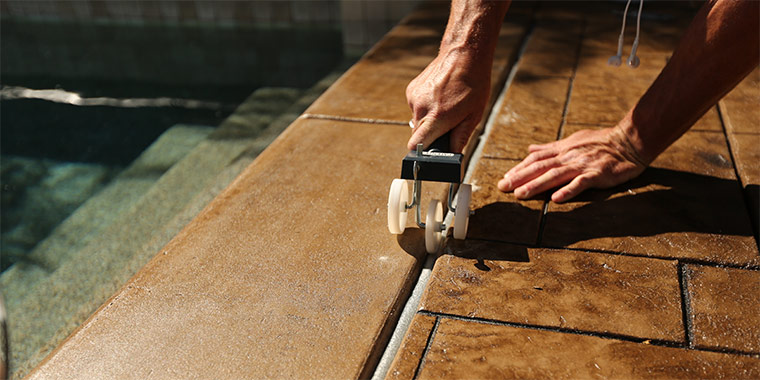
Apply the new mastic evenly along the joint around the pool. Use a caulking gun for better control. Press the mastic firmly into the gap for a tight seal. Smooth the surface with a tool or finger for a clean finish.
Curing Time
Allow the mastic to cure fully before exposing it to water. Curing time varies by product but usually takes 24 to 48 hours. Avoid touching or disturbing the mastic during this period. Proper curing ensures durability and water resistance.
Tips To Save On Mastic Replacement
Replacing mastic around a pool can be costly. Saving money is possible with some smart choices. Small steps help reduce expenses without lowering quality. Focus on materials, contractors, and timing for the best results.
Choosing The Right Material
Select mastic that fits your pool’s needs. Some materials last longer and need less repair. Buying good-quality mastic prevents frequent replacements. Avoid the cheapest options as they may fail quickly. Check product reviews and warranties before buying.
Hiring The Right Contractor
Get multiple quotes from local contractors. Compare prices and services carefully. Choose a contractor with experience in pool mastic work. Skilled workers finish faster and reduce mistakes. Ask for references and past work examples. This ensures you get value for your money.
Timing Your Replacement
Plan mastic replacement during mild weather. Avoid extreme heat or cold for better results. Contractors may charge less during off-peak seasons. Early booking can lock in lower prices. Regular inspections help spot issues before they get worse. This saves money on emergency repairs.

Credit: www.reddit.com
Common Problems With Pool Mastic
Pool mastic plays a vital role in keeping your pool sealed and safe. Over time, mastic can face several problems that affect the pool’s condition. Knowing these common issues helps you decide when to replace the mastic around your pool. Below are the main problems you might encounter.
Cracking And Shrinking
Pool mastic often cracks due to heat and weather changes. It can also shrink as it ages. Cracks create gaps that let water escape. Shrinking makes the seal weak and less effective. Both issues reduce the pool’s protection.
Water Leakage Issues
Damaged mastic lets water leak from the pool. Leaks cause water loss and increase utility bills. Water under the pool structure can damage the foundation. Fixing leaks early prevents bigger problems and costly repairs.
Mold And Mildew Growth
Gaps in the mastic allow moisture to collect. Moist areas near the pool encourage mold and mildew growth. Mold looks bad and creates a slippery surface. It also harms the pool structure over time.
Maintenance To Extend Mastic Life
Proper maintenance helps your pool’s mastic last longer. It saves money and keeps the pool area safe. Small efforts prevent big problems with cracks or gaps. Simple steps keep the mastic strong and waterproof.
Regular Inspections
Check the mastic around the pool often. Look for cracks, peeling, or soft spots. Early signs of wear mean you can fix problems fast. Use a flashlight to see hidden damage. Note any changes and plan repairs quickly.
Cleaning Techniques
Clean the mastic gently to avoid damage. Use a soft brush or cloth with mild soap. Avoid harsh chemicals or high-pressure water. Rinse well to remove soap residue. Keeping the mastic clean stops dirt buildup and mold.
Quick Repairs
Fix small cracks or gaps right away. Use mastic repair kits from pool stores. Follow instructions carefully for the best results. Quick repairs stop water from seeping under the mastic. This prevents bigger damage and costly replacement.
Credit: www.restoracrete.com
Frequently Asked Questions
What Is The Average Cost To Replace Mastic Around A Pool?
Replacing mastic around a pool usually costs between $300 and $700, depending on size and material.
How Long Does Pool Mastic Replacement Typically Take?
The process generally takes 3 to 6 hours, depending on the pool size and weather conditions.
Can I Replace Pool Mastic Myself To Save Money?
DIY is possible but tricky. Mistakes can cause leaks or damage. Professional help is safer.
How Often Should Pool Mastic Be Replaced?
Pool mastic should be replaced every 5 to 10 years to keep it waterproof and strong.
What Factors Affect The Cost Of Mastic Replacement?
Pool size, mastic type, labor fees, and local rates all impact the total replacement cost.
Does Replacing Mastic Improve Pool Safety And Appearance?
Yes, new mastic seals gaps, prevents leaks, and makes the pool area look clean and neat.
Conclusion
Replacing mastic around your pool helps keep water out and prevents damage. The cost depends on the area size and material quality. Choosing the right mastic can save money over time. Regular checks can find problems early and avoid costly repairs.
A small investment now protects your pool’s structure. Plan your budget carefully before starting the job. Proper care extends your pool’s life and keeps it safe. Simple steps make a big difference in maintenance costs.