
Have you ever noticed your pool water level dropping below the skimmer and wondered if you can still run your pool pump safely? It’s a common concern that many pool owners face, especially during hot summers or after heavy use.
Running your pump when the water is too low can cause damage, but stopping it might mean dirty water and algae buildup. You’ll discover what happens when your water dips below the skimmer and how to protect your pool and pump without wasting time or money.
Keep reading to find out exactly what you should do next.

Credit: www.youtube.com
Why Water Level Matters
Maintaining the right water level in your pool is very important. It affects how well the pump and skimmer work. Running the pool pump with low water can cause damage. Understanding why water level matters helps keep your pool clean and safe.
Role Of The Skimmer
The skimmer pulls water from the pool surface. It collects leaves, bugs, and dirt before water goes to the pump. The skimmer needs enough water to work correctly. If the water is too low, the skimmer sucks in air. This can cause the pump to lose pressure and stop working.
Ideal Water Levels
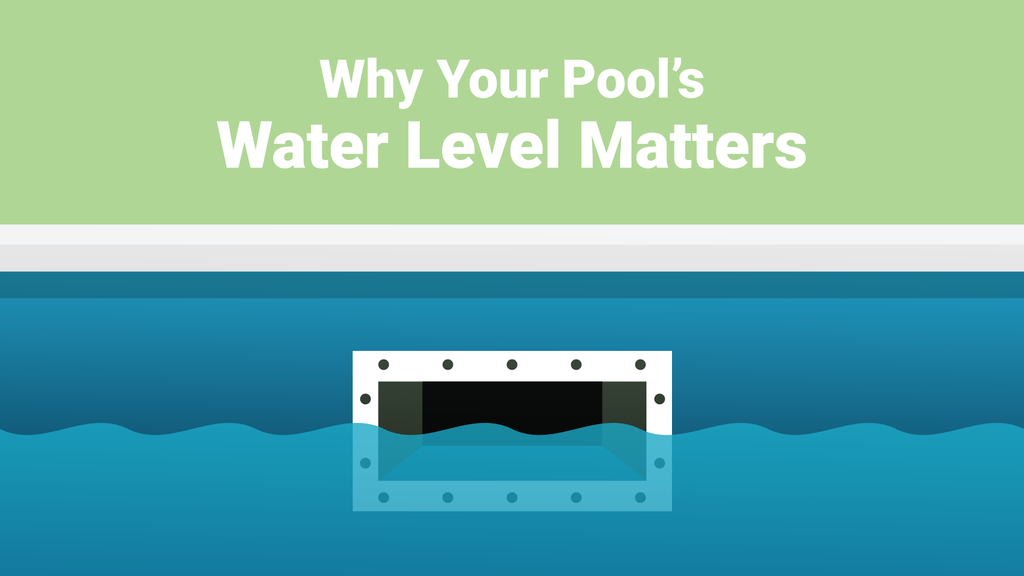
Water should be halfway up the skimmer opening. This level allows the skimmer to catch debris effectively. It also prevents air from entering the pump system. Low water means the pump may run dry, causing damage. Keeping the water at the right height protects your pool equipment.

Credit: www.youtube.com
Dangers Of Low Water
Running your pool pump while the water level is below the skimmer can cause serious problems. Low water creates unsafe conditions for your pump and reduces the pool’s cleaning ability. Avoid running the pump in these conditions to keep your pool system safe and efficient.
Pump Damage Risks
The pump relies on water to stay cool. Without enough water, it can quickly overheat. Running dry causes seals to burn out and parts to wear fast. Repair costs can be high. Protect your pump by keeping the water level steady.
Air Lock Issues
Air can enter the pump when water is low. This causes air lock, stopping water flow. The pump may lose suction and stop working. Clearing air locks often needs a professional. Avoid this problem by maintaining proper water levels.
Reduced Filtration Efficiency
Low water means less water passes through the filter. Dirt and debris stay in the pool longer. The water stays cloudy and unhealthy. Proper filtration needs enough water above the skimmer. Keep the water level right for clean, clear water.
Common Causes Of Low Water
Low water levels in a pool can cause many problems. One common issue is the water falling below the skimmer. This affects the pump’s ability to work properly. Understanding the causes of low water helps prevent damage and keeps the pool clean.
Evaporation Effects
Water evaporates naturally from the pool surface. Warm weather and dry air increase evaporation. Pools in sunny, windy areas lose water faster. Evaporation can lower water levels quickly if not checked. Regularly topping up water can avoid this problem.
Leaks And Drainage
Leaks in pipes or pool walls cause water loss. Cracks, broken seals, or faulty equipment lead to leaks. Sometimes, drainage systems drain water without notice. Leaks can waste a lot of water over time. Checking the pool structure helps find and fix leaks early.
Heavy Pool Usage
Many swimmers can lower water levels. Splashing and water displacement cause water to spill out. Pools used often lose more water than those used less. Heavy usage means more frequent water refills are necessary. Monitoring pool activity helps maintain proper water levels.
Safe Pump Operation Tips
Running a pool pump safely requires attention to water levels and pump conditions. Operating the pump without enough water can damage it. Follow these tips to protect your pool pump and keep your pool clean.
Checking Water Levels Regularly
Always check the water level before turning on the pump. The water should be above the skimmer opening. Low water can cause the pump to suck in air. This reduces pump efficiency and can cause damage. Check water levels daily during hot weather or heavy use.
Using A Pool Leveler
A pool leveler helps keep water at the right height automatically. It adds water when levels drop too low. This tool saves time and prevents low water problems. Install the leveler near your pool skimmer for best results. It keeps water steady without extra effort.
Avoiding Dry Running
Dry running happens when the pump runs without water. It causes overheating and can burn the motor. Never start the pump if water is below the skimmer. Stop the pump immediately if it sounds noisy or loses suction. Protect your pump by ensuring water flow before use.
Solutions For Low Water Problems
Low water levels in your pool can cause problems for the pump. The pump may run dry or suck in air, leading to damage. Fixing low water issues helps keep the pump safe and your pool clean. Here are some easy solutions to manage low water levels.
Refilling The Pool
Adding water is the simplest way to solve low water problems. Use a garden hose or water truck to fill the pool. Check the water level regularly to keep it above the skimmer. Avoid overfilling, which can cause other issues.
Adjusting Skimmer Position
Sometimes the skimmer is placed too high on the pool wall. Lowering the skimmer helps it reach the water even when levels drop. This can prevent the pump from sucking air. Ask a professional to reposition the skimmer safely.
Installing Alternative Intakes
Adding extra intakes near the bottom of the pool can help. These intakes pull water from lower levels, avoiding dry suction. This method protects the pump during low water times. It also improves water circulation and filtration.
Credit: poolpartstogo.com
When To Call A Professional
Knowing when to call a professional for pool pump issues is important. Some problems need expert care to avoid damage or costly repairs. Acting early can save your pool system.
Watch for signs that your pump or water level needs professional attention. These signs often mean the problem is more serious than it looks.
Persistent Low Water Issues
Water below the skimmer can cause pump problems. If the water level stays low despite refilling, call a professional. They can find leaks or plumbing issues causing water loss. Fixing these problems quickly protects your pump and pool.
Pump Noise Or Overheating
Strange noises or heat from the pump are warning signs. These can mean the pump is working too hard or parts are worn out. A professional can check for blockages, motor problems, or other issues. Ignoring these signs can lead to pump failure.
Visible Pump Damage
Cracks, leaks, or broken parts on the pump need fast action. Damaged pumps lose efficiency and can stop working. A pro can assess the damage and recommend repair or replacement. This keeps your pool running smoothly and safely.
Frequently Asked Questions
Can A Pool Pump Run If Water Is Below The Skimmer?
Running a pool pump with water below the skimmer can cause damage and reduce pump efficiency.
Why Is Water Level Important For Pool Pump Operation?
The water level keeps the pump full and prevents air from entering and damaging the system.
What Happens If The Pump Runs Dry Without Enough Water?
Running dry causes the pump to overheat and can lead to motor failure or leaks.
How Low Can Water Be Before Harming The Pool Pump?
Water should be at least halfway up the skimmer to keep the pump safe and working.
Can Running The Pump With Low Water Cause Expensive Repairs?
Yes, low water can cause pump damage requiring costly repairs or replacement parts.
How To Maintain Proper Water Level For Pool Pump Safety?
Regularly check and refill the pool water to keep it near the skimmer level.
Conclusion
Running your pool pump with water below the skimmer can cause damage. The pump needs water to work properly and avoid overheating. Check the water level before turning on the pump. Keep the water level at least halfway up the skimmer opening.
This helps the pump run smoothly and protects its parts. Regularly monitor your pool’s water to prevent issues. Taking these simple steps saves money and keeps your pool clean. Stay safe and maintain your pool pump correctly for the best results.