
Are you thinking about setting up your Intex pool on concrete but aren’t sure if it’s a good idea? You’re not alone.
Many pool owners wonder if concrete can provide the right foundation without causing damage or safety issues. What if placing your pool on concrete could save you time and effort, but also come with hidden risks? You’ll discover everything you need to know to make the best decision for your pool and your backyard.
Keep reading to find out the pros, cons, and expert tips that will help you enjoy your pool safely and stress-free.
Intex Pools And Concrete Surfaces
Intex pools are popular for their easy setup and affordable prices. Many people wonder if these pools can sit safely on concrete surfaces. Concrete is a common base material for pools, but its compatibility with Intex pools needs attention. Knowing the facts helps protect your pool and enjoy it longer.
Concrete is hard and flat, which seems perfect. Still, it can affect the pool’s bottom and walls. Let’s explore the types of Intex pools and how concrete works as a base.
Types Of Intex Pools
Intex offers several pool types. The most common are inflatable pools and frame pools. Inflatable pools have soft, air-filled sides that need a smooth surface. Frame pools use a metal frame with a heavy-duty liner. They require a flat, stable base to keep their shape.
Both types need protection from sharp objects. Concrete may have rough spots or cracks. These can damage the pool liner. Using a ground cloth or foam mat helps protect the pool bottom.
Concrete As A Pool Base
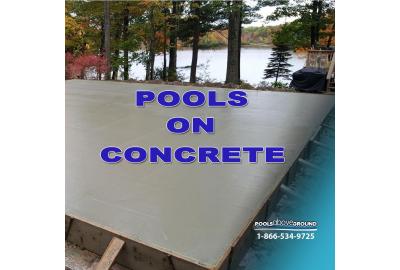
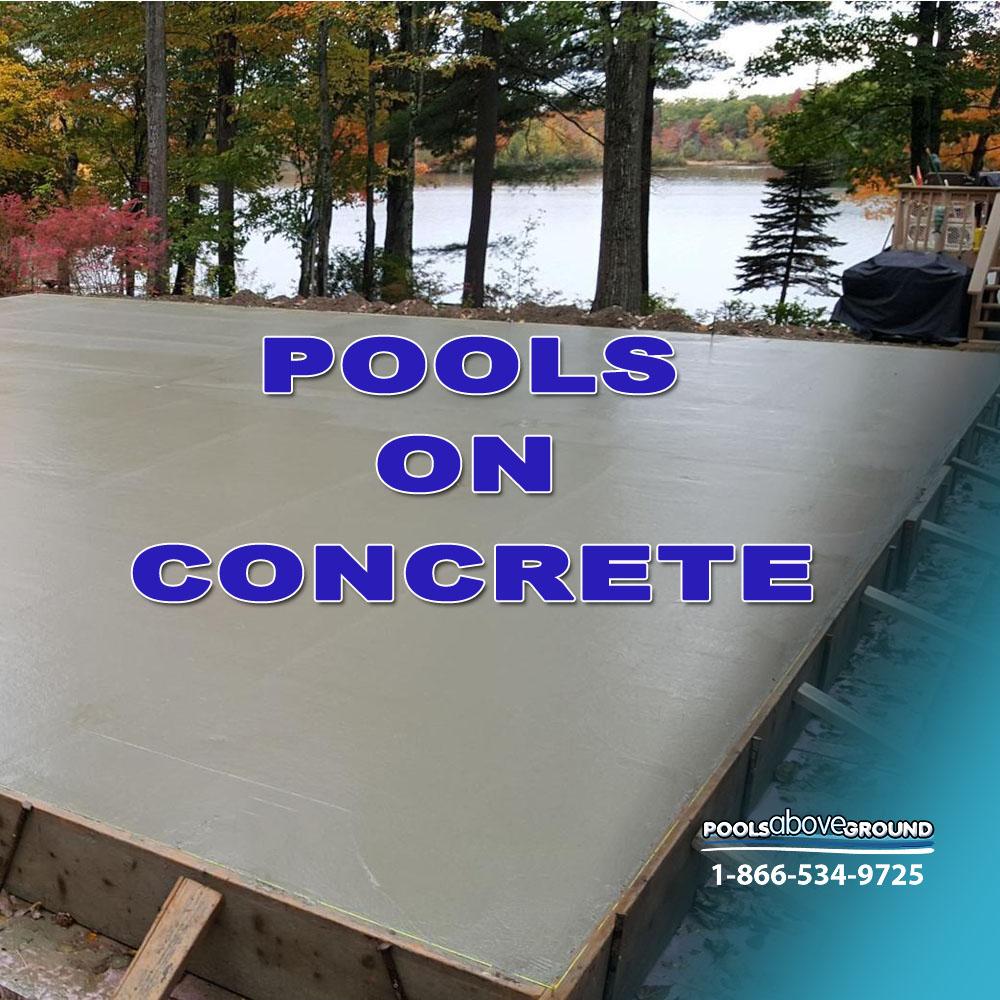
Concrete is strong and flat, making it a stable base. It does not shift or settle like dirt or grass. This stability helps keep the pool steady and safe.
But concrete can be rough and hot. It might cause small tears or wear on the pool liner. On hot days, the surface heats up and can make the pool uncomfortable to touch.
Adding a protective layer between the pool and concrete is important. A tarp or foam pad reduces damage and adds comfort. Also, check the concrete for cracks or sharp edges before placing the pool.
Credit: www.poolsaboveground.com
Benefits Of Placing Pools On Concrete
Placing an Intex pool on concrete offers clear benefits. Concrete provides a solid base that helps keep the pool safe and steady. It also makes cleaning and pool care easier. These advantages make concrete a popular choice for many pool owners.
Stability And Support
Concrete creates a flat, strong surface for the pool. This stops the pool from shifting or sinking. It holds the pool’s weight evenly. This reduces the risk of damage to the pool’s bottom and sides.
A stable base helps the pool last longer. It also keeps the water level steady. Concrete supports the pool well during use, making it safer for swimmers.
Ease Of Maintenance
Concrete surfaces are easy to clean around the pool. Dirt and grass are less likely to build up. This keeps the area neat and tidy.
Concrete does not absorb water. This helps prevent mud and slippery spots. It also stops insects from hiding near the pool.
Simple cleaning saves time and effort. It keeps the pool area pleasant and safe for everyone.
Potential Risks And Challenges
Placing an Intex pool on concrete might seem easy but carries risks. These risks can affect the pool’s lifespan and your safety. Understanding these challenges helps you avoid damage and problems later.
Surface Damage To Pool Bottom
Concrete is hard and rough. It can cause wear on the pool’s bottom. Over time, small holes or tears may form in the pool liner. This damage can lead to leaks and water loss. Sharp edges or cracks in the concrete increase this risk. The pool’s weight presses down, making the liner more vulnerable.
Drainage And Water Accumulation Issues
Concrete does not absorb water. Rain or spilled water can pool around or under the pool. This trapped water can cause mold or mildew to grow. It also weakens the concrete over time. Poor drainage can lead to uneven pool support. This creates pressure points that can harm the pool structure.
Preparing Concrete For Pool Installation
Preparing concrete for an Intex pool installation is very important. The surface must be ready to hold the pool safely. A strong, clean, and smooth base helps prevent damage and keeps the pool stable. Proper preparation also makes the setup easier and extends the pool’s life. Follow simple steps to get the concrete ready before placing your pool.
Cleaning And Smoothing The Surface
Start by removing dirt, dust, leaves, and small stones from the concrete. Use a broom or blower to clear the area. Check for cracks or rough spots that could damage the pool. Sand or grind down any uneven parts until the surface is flat and smooth. A clean, smooth surface protects the pool bottom from tears and holes.
Using Protective Padding
Place protective padding over the concrete before setting up the pool. Foam mats or pool ground cloths work well. These materials add a soft layer between the pool and the hard concrete. Padding prevents punctures and helps keep the pool floor comfortable. It also adds extra insulation, making the pool water feel nicer.
Safety Tips For Using Pools On Concrete
Using an Intex pool on concrete can be fun and refreshing. Safety is very important to enjoy your pool without accidents. Concrete is hard and slippery when wet. Knowing how to stay safe helps everyone have a good time.
Preventing Slips And Falls
Concrete can become very slippery around the pool area. Place non-slip mats or outdoor rugs near the pool edges. These mats give better grip for wet feet. Keep the area clear of toys and obstacles. Wet surfaces cause many slips and falls. Remind everyone to walk, not run, near the pool.
Supervising Children
Children need close watching around pools on concrete. Always have an adult nearby when kids swim or play. Keep flotation devices like life jackets ready. Teach kids pool safety rules before swimming. Never leave children alone near the pool. Constant supervision prevents many accidents.
Proper Pool Setup And Maintenance
Set up the pool on a clean, flat concrete surface. Use a ground cloth or protective layer under the pool. This protects the pool’s bottom and adds comfort. Check the pool for leaks or damage regularly. Remove dirt and debris from the pool water daily. Proper care helps keep your pool safe and lasts longer.
Credit: www.poolsaboveground.com
Alternative Pool Base Options
Choosing the right base for your Intex pool matters a lot. The base supports the pool and keeps it stable. Concrete is one option, but not the only one. Other bases can work well, too. These options protect the pool floor and make setup easier. They also help avoid damage and extend pool life.
Grass And Soil
Grass and soil are natural and easy options. Clear the area of sharp stones and sticks. Level the ground as much as possible. Grass can provide some cushioning for the pool bottom. Soil is soft, but uneven spots can cause trouble. Use a tarp or ground cloth to protect the pool. This base works best for small pools.
Sand And Pool Pads
Sand creates a smooth, soft surface under the pool. Spread a layer of clean, fine sand evenly. Level and compact the sand to avoid lumps. Sand helps prevent punctures and discomfort. Pool pads are thick mats made for pools. They add extra cushioning and protect the pool floor. Using sand with a pool pad offers strong support and comfort.

Credit: www.youtube.com
Frequently Asked Questions
Can You Place An Intex Pool Directly On Concrete?
Yes, Intex pools can be placed on concrete, but extra padding is needed to protect the pool floor.
What Type Of Padding Is Needed Under An Intex Pool?
A foam or rubber mat works best to prevent damage and provide cushioning under the pool.
Will Concrete Damage The Intex Pool Bottom?
Concrete can cause scratches or tears without padding, risking leaks and reducing pool life.
How Do You Prepare Concrete Before Installing The Pool?
Clean the surface, remove sharp objects, and lay a protective mat before placing the pool.
Is Concrete A Good Surface For Intex Pools?
Concrete is stable and flat but needs padding to avoid pool damage and discomfort.
Can Pool Heat Affect Concrete Under An Intex Pool?
Heat from the pool water usually won’t harm concrete, but shading helps keep the surface cool.
Conclusion
Placing an Intex pool on concrete can work well with the right care. Protect the pool bottom with a ground cloth or foam pad. Check the concrete for cracks or rough spots first. Keep the pool clean and watch for leaks.
This setup offers a stable, flat surface for your pool. Enjoy your pool safely and comfortably all summer long.