
Are you planning to plaster your pool but worried about the rain? You might be wondering if rain can ruin your hard work or cause delays.
The truth is, timing is everything when it comes to plastering a pool, and weather plays a big role. You’ll discover exactly what happens if you plaster your pool in the rain and how to make the best decision for your project.
Keep reading to avoid costly mistakes and ensure your pool looks perfect for years to come.
Effects Of Rain On Pool Plastering
Rain can cause serious problems during pool plastering. The plaster needs dry conditions to set properly. Rain adds extra moisture that changes how the plaster hardens. This can weaken the surface and cause damage over time.
Understanding how rain affects plaster helps protect your pool. It also helps avoid costly repairs later. Below, we explain the key effects of rain on pool plastering.
How Moisture Impacts Plaster Setting
Plaster sets by drying and hardening. Too much moisture slows this process down. Rain adds water to the plaster mix. This extra water can wash away cement or lime. The plaster may stay soft and weak for longer than normal.
Excess moisture can cause cracks or uneven surfaces. The plaster might not stick well to the pool shell. This reduces the plaster’s strength and lifespan. Proper drying is critical for a solid finish.
Common Issues Caused By Rain During Application
Rain during plastering leads to several common problems. Pitting happens when water droplets hit wet plaster. Small holes or craters form on the surface. These pits make the pool look rough and old.
Blistering is another issue. Water trapped under the plaster causes bubbles or blisters. These weaken the pool surface and may peel off. Staining can also occur. Rainwater often carries dirt that marks the plaster.
All these problems reduce the pool’s beauty and durability. Avoid plastering during rain to get the best results.
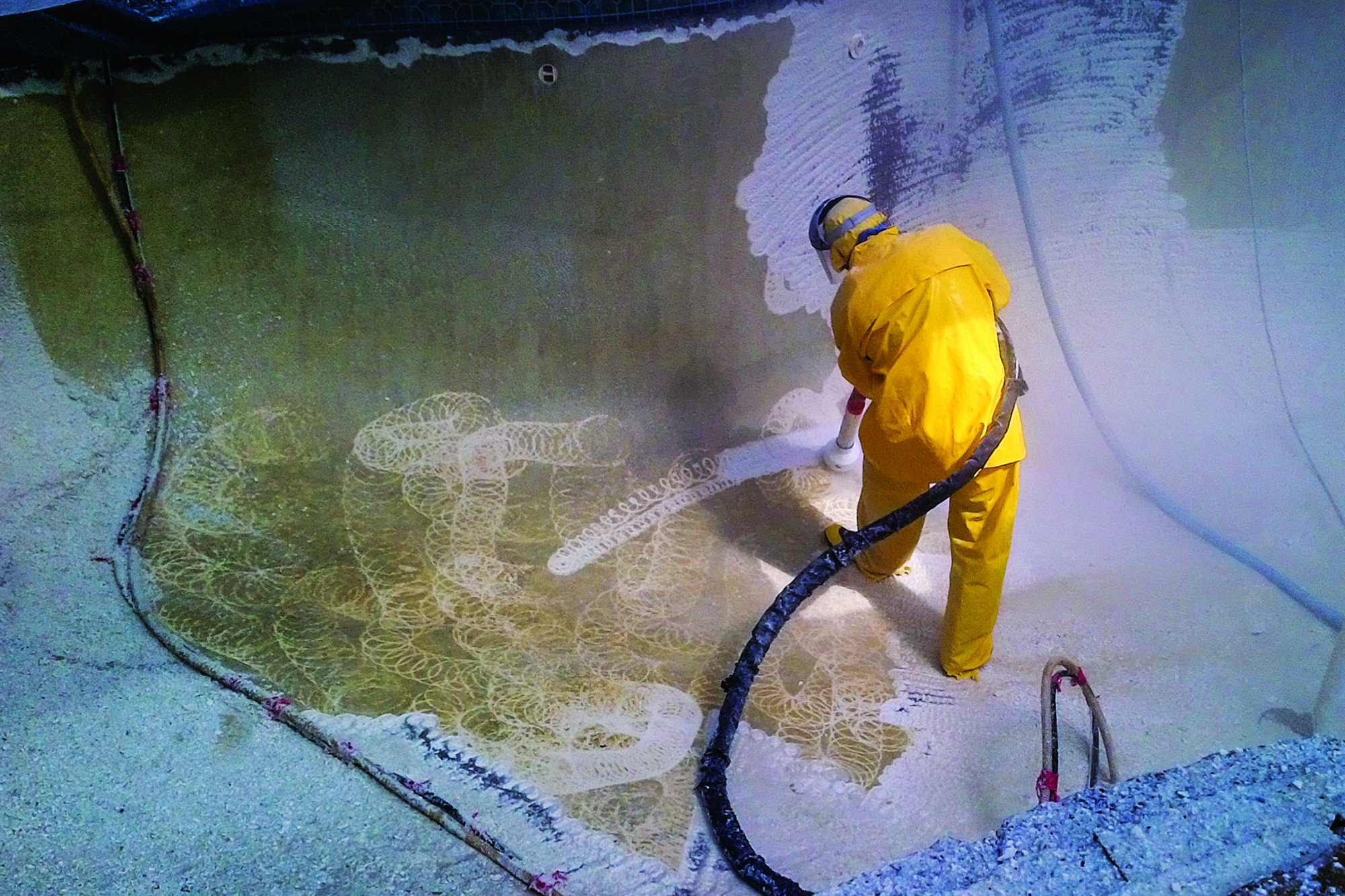
Credit: www.poolspanews.com
Ideal Weather Conditions For Plastering
Plastering a pool needs the right weather to ensure a smooth finish. Weather affects how plaster sets and lasts. Too much moisture or extreme temperatures can cause problems. Knowing the ideal weather conditions helps get the best plaster results.
Temperature And Humidity Considerations
Ideal temperatures for plastering range from 50°F to 90°F. Too hot or too cold slows down plaster curing. High humidity can cause plaster to stay wet too long. Low humidity may dry plaster too fast, causing cracks. Moderate temperatures and balanced humidity create a stable setting environment.
Rain-free Timeframes For Best Results
Rain disrupts plaster drying and can ruin the surface. Avoid plastering if rain is forecast within 24 to 48 hours. A dry period after plastering lets the material cure properly. Protect the pool from rain during this crucial time. Clear, dry weather ensures plaster bonds well and lasts longer.
Risks Of Plastering In The Rain
Plastering a pool during rain is risky. Water affects how plaster sets and bonds. These risks can cause serious problems for your pool’s finish and strength. Understanding these issues helps you avoid costly repairs and poor results.
Surface Quality Problems
Rain adds extra water to the plaster mix. This causes the surface to become rough or uneven. Spots may appear blotchy or discolored. The plaster can wash away before it dries. These surface flaws hurt the pool’s look and feel.
Structural Integrity Concerns
Wet plaster does not bond well to the pool shell. Moisture weakens the adhesion between layers. This can cause cracks or chips over time. The plaster may peel or break off. These issues reduce the pool’s strength and safety.
Long-term Durability Issues
Rain during plastering slows the curing process. Improper curing causes weak and soft plaster. The surface can erode faster under pool chemicals. This shortens the life of the plaster. You may need to redo the plaster sooner than expected.

Credit: hayward.com
Expert Tips For Plastering When Rain Is Expected
Plastering a pool before rain can be tricky. Rain can affect the plaster’s finish and strength. Careful planning and proper steps help protect the pool and the plaster job.
These expert tips focus on how to prepare and protect the pool during plastering when rain is expected. Follow these steps to get good results despite the weather.
Preparing The Pool Surface
Start by cleaning the pool surface thoroughly. Remove dirt, debris, and loose material. A clean surface helps the plaster stick better. Check for any cracks or holes and fix them first. Dry the surface as much as possible before plastering. Wet surfaces can cause plaster to weaken or peel.
Using Protective Covers And Barriers
Cover the pool with waterproof tarps or plastic sheets. Secure the covers tightly to stop water from entering. Use barriers around the pool to block wind and rain splash. Remove the covers only when ready to plaster. Keep extra covers nearby for unexpected rain.
Adjusting Application Techniques
Apply plaster in smaller sections to manage drying time better. Use quick-setting plaster formulas for faster curing. Avoid plastering just before heavy rain. Work in calm weather periods if possible. Constantly check the plaster surface for water damage during application.
Alternatives To Plastering During Rainy Weather
Plastering a pool during rainy weather is not ideal. Rain can affect the plaster’s drying process and final look. There are better ways to handle pool projects when rain arrives. Knowing your options helps protect your investment and keeps the project on track.
Postponing The Project
Delaying plaster work until dry weather is the safest choice. It prevents damage and ensures quality results. Waiting a few days for rain to stop helps plaster set properly. This reduces the risk of cracks and discoloration. Planning around the weather saves time and money in the long run.
Temporary Waterproofing Measures
Using temporary covers can shield the pool from rain. Tarps or plastic sheets keep water off the surface. These barriers help maintain a dry work area. They also protect the pool structure from moisture damage. Temporary waterproofing allows some work progress despite light rain. Make sure covers are secure to avoid wind damage.

Credit: www.reddit.com
Signs Your Pool Plaster May Be Damaged By Rain
Rain can affect pool plaster in many ways. Not all damage shows right away. Spotting signs early can save time and money. Watch your pool closely after heavy rain. Small problems can grow fast if ignored.
Visual Inspection Tips
Check the plaster surface for cracks or chips. Look for rough patches or peeling areas. Notice any color changes or stains on the plaster. Pooled water or damp spots on the plaster can mean damage. Watch for bubbling or flaking plaster areas. These signs show the plaster may not be sealed well. Rainwater can erode the plaster surface if damaged.
When To Call A Professional
Call a pool expert if cracks are deep or wide. Seek help if plaster peels in large sections. If water leaks or stains persist, get a professional check. Unusual textures or soft spots also need expert care. Early professional advice stops damage from getting worse. Experts provide proper repairs to protect your pool plaster.
Frequently Asked Questions
Can You Plaster A Pool During Light Rain?
Plastering in light rain is risky. Water can weaken the plaster mix and cause poor finish.
How Does Rain Affect Pool Plaster Curing?
Rain adds excess moisture, slowing plaster drying and weakening its strength and durability.
What Happens If Plaster Gets Wet Before Setting?
Wet plaster may not harden properly, leading to cracks and surface damage.
Is There A Best Weather Condition For Plastering Pools?
Dry, warm weather with low humidity is ideal for plaster to cure well.
Can Rain Cause Delays In Pool Plastering Projects?
Yes, rain can pause work to prevent poor plaster quality and ensure good results.
How To Protect Freshly Plastered Pools From Rain?
Cover the pool with waterproof tarps or plastic sheets to keep rain off.
Conclusion
Plastering a pool in the rain is not a good idea. Rain can cause problems with the plaster setting. Wet conditions may weaken the finish and cause cracks. It is best to wait for dry weather before starting. Proper weather helps the plaster stick and dry well.
Taking time to wait ensures a strong, smooth pool surface. This leads to a longer-lasting and better-looking pool. Patience pays off when plastering your pool.