
Are you wondering if you can leave your pool sand filter outside during the cold winter months? This is a question many pool owners face as the seasons change.
Leaving your filter out in freezing temperatures might seem convenient, but it could cause serious damage. You’ll discover exactly what happens to your sand filter in winter and how to protect your investment. Keep reading to learn the simple steps that can save you time, money, and frustration when the warm weather returns.
Winter Risks For Sand Filters
Winter can be tough on pool sand filters left outside. Cold temperatures, moisture, and ice create challenges. These factors can harm the filter’s parts and reduce its lifespan. Understanding winter risks helps you protect your pool equipment better.
Freezing Damage
Water inside the filter can freeze and expand. This pressure can crack or break the filter tank. Frozen water may also damage internal parts. Ice buildup blocks water flow, causing strain. Leaving the filter outside without draining it risks freezing damage.
Corrosion And Wear
Moisture and cold lead to metal corrosion. Corrosion weakens valves, pipes, and fittings. Metal parts wear faster during winter months. Salt and chemicals on the filter can speed corrosion. Continuous exposure to rain and snow wears the filter down.
Impact On Filter Performance
Winter damage reduces how well the filter works. Cracks and corrosion cause leaks and low pressure. Blocked pipes stop water from flowing properly. Dirty or broken sand stops filtering debris. Poor performance means more cleaning and higher repair costs.

Credit: www.youtube.com
Preparing Your Filter For Winter
Preparing your pool sand filter for winter protects it from cold damage. Taking the right steps helps keep your filter working well for many seasons. Proper winter care saves time and money on repairs later.
Draining The System
Start by turning off the pool pump. Open all valves to let water drain out. Remove any plugs or drain caps to release water from the filter tank. Make sure no water remains inside, as frozen water can crack the filter.
Cleaning The Sand
Remove debris and dirt from the sand bed. Use a hose to rinse the sand thoroughly. Clean sand prevents buildup and keeps filtration efficient. Dirty sand can cause strain on your filter parts.
Inspecting For Damage
Check the filter tank for cracks or leaks. Look at the multiport valve for any broken parts. Examine O-rings and seals for wear and tear. Fix or replace damaged parts before winter starts.
Storage Options For Sand Filters
Proper storage of a pool sand filter during winter is important to keep it working well. Choosing the right place to store the filter helps protect it from damage and extends its life. You can store the filter indoors or outdoors, each with its own benefits and precautions.
Indoor Storage Benefits
Storing a sand filter indoors keeps it safe from cold weather and moisture. It prevents freezing, which can crack the filter tank. An indoor place is dry and stable, reducing wear and tear. It also stops dirt and debris from collecting on the filter. This storage method keeps the filter clean and ready for use in spring.
Outdoor Storage Precautions
Leaving the filter outside needs careful steps to avoid damage. The filter must be drained completely to stop water from freezing inside. Place it on a flat surface to avoid tipping. Avoid spots where water can pool around the filter base. Check the filter regularly to spot any cracks or damage early.
Using Protective Covers
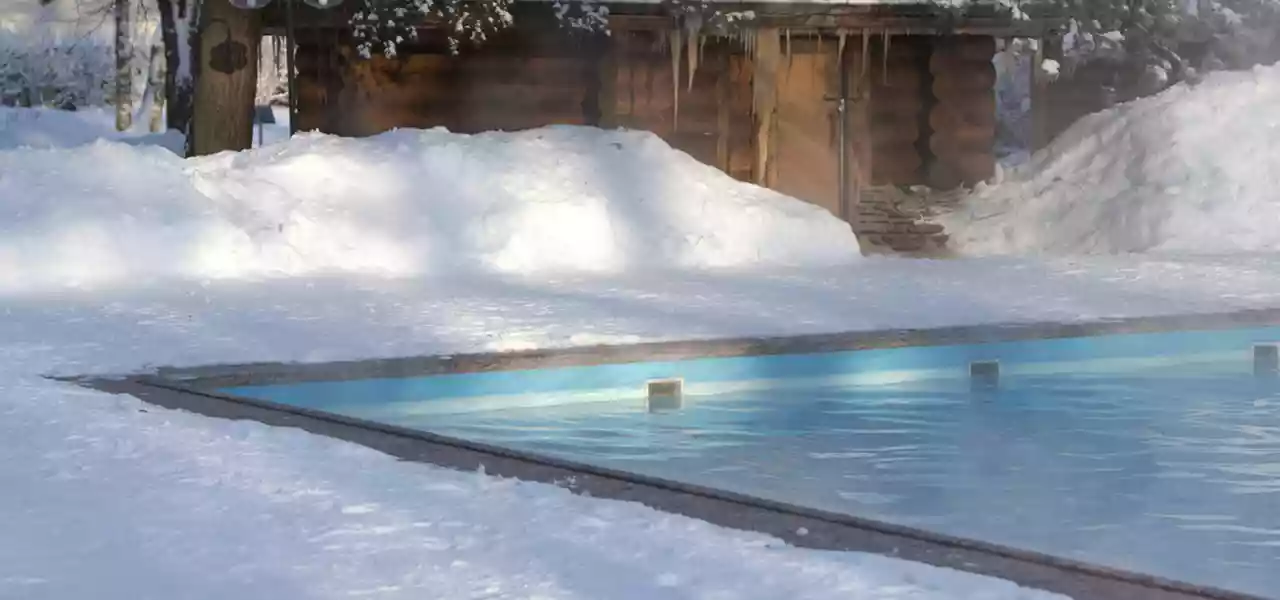
A protective cover shields the filter from snow, rain, and dirt. Use a cover made of strong, waterproof material. Make sure it fits tightly to keep out moisture and pests. Covers also protect the filter from harmful UV rays that can weaken plastic parts. This simple step helps keep the filter in good shape all winter long.
Credit: intheswim.com
Maintenance Tips During Winter
Winter can be tough on your pool sand filter. Proper care helps it last longer. Follow these simple steps to keep your filter safe and working well.
Regular Inspections
Check the filter weekly during winter. Look for cracks, leaks, or loose parts. Early spotting stops bigger problems later. Use a flashlight to see inside dark areas. Tighten any loose fittings to prevent water escape. Keep a maintenance log to track issues and fixes.
Preventing Moisture Buildup
Moisture can freeze and damage the filter. Drain all water from the filter and pipes. Cover the filter with a waterproof tarp or cover. Make sure the cover fits tightly to keep rain and snow out. Use a dehumidifier nearby if possible. Proper drying stops mold and rust from forming.
Avoiding Rodent Damage
Rodents like to nest in warm places like filters. Seal all openings with wire mesh or foam. Place rodent repellents near the filter area. Check traps regularly to catch any pests early. Keep the area clean and free of food scraps. Protecting your filter from rodents saves repair costs.
Preparing For Spring Startup
Preparing your pool sand filter for spring startup is essential after winter storage. Proper care ensures clean water and smooth operation. Take time to inspect, clean, and reassemble the filter before use. This routine helps extend the life of the filter and improves pool water quality. Follow simple steps for a trouble-free swimming season.
Reassembling The Filter
Start by carefully putting the sand filter back together. Check all parts for damage or wear. Replace any broken pieces before assembly. Make sure the filter tank is clean and dry. Place the sand correctly inside the tank. Secure all fittings and clamps tightly to avoid leaks. Reattach hoses and valves as per the manufacturer’s instructions.
Checking Sand Condition
Sand inside the filter may degrade after winter. Look for clumps, dirt, or hardened sand. Old sand reduces filtering efficiency and can clog the system. Consider replacing the sand every 3 to 5 years. Clean or replace the sand if it looks dirty or worn. Proper sand condition ensures clear water and better filtration.
Testing Filter Efficiency
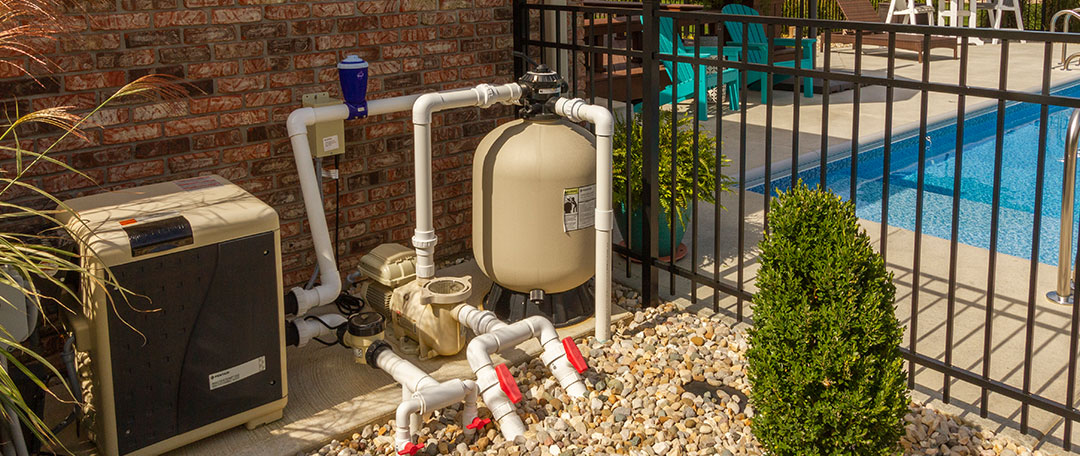
Turn on the filter and check water flow. Watch for strange noises or leaks around the filter. Test the pressure gauge to see if it reads correctly. High pressure may mean the sand is clogged or dirty. Low pressure can indicate a pump or valve problem. Regular testing keeps the filter working at its best.
Credit: www.swimmingpool.com
Frequently Asked Questions
Can A Pool Sand Filter Stay Outside During Winter?
Yes, but it must be properly winterized to avoid damage from freezing temperatures.
How To Protect A Sand Filter From Freezing?
Drain all water and store the filter in a dry, sheltered place or cover it well.
What Happens If A Sand Filter Freezes?
Freezing water can crack the filter tank and damage internal parts, leading to costly repairs.
Should The Sand Inside The Filter Be Replaced After Winter?
Check the sand for clumps or damage; replace if it looks worn or hard.
Can Covering The Filter Prevent Winter Damage?
A sturdy, weatherproof cover helps protect the filter from snow, ice, and debris during winter.
Is It Safe To Leave Pool Plumbing Connected In Winter?
Drain and disconnect plumbing to prevent pipes from freezing and causing breaks or leaks.
Conclusion
Leaving a pool sand filter outside in winter can cause damage. Freezing temperatures may crack the filter and pipes. Draining water and storing the filter indoors helps protect it. Covering the filter can reduce dirt and debris buildup. Taking these steps saves money on repairs later.
Protect your pool equipment to enjoy it longer. Winter care matters for a clean, working pool. Simple actions make a big difference in the long run.