
Are you wondering if you can vacuum your pool on recirculate? If you’ve ever tried cleaning your pool and noticed the water not flowing through the filter, you might be asking this exact question.
The answer isn’t as simple as yes or no—it depends on your pool setup and what you want to achieve. Keep reading, because understanding how vacuuming on recirculate works can save you time, protect your equipment, and keep your pool sparkling clean.
Let’s dive into the details so you can make the best choice for your pool care routine.
Credit: www.youtube.com
Vacuuming Basics
Vacuuming a pool keeps the water clean and clear. It removes dirt, leaves, and debris from the bottom and sides. Understanding the basics helps to keep the pool healthy and safe for swimming. This section explains how pool vacuums work and the common cleaning methods used.
How Pool Vacuums Work
Pool vacuums connect to the pool’s filtration system. They use suction to pull dirt into the filter. Some vacuums are manual and require you to push them around. Others are automatic and move on their own. The vacuum collects debris in a bag or the filter basket. Proper suction is key to clean the pool effectively.
Common Pool Cleaning Methods
Manual vacuuming involves using a hose and vacuum head. You move the vacuum slowly over the pool floor. Automatic vacuums work without much effort from you. Skimmers remove floating debris from the surface. Brushes scrub the walls and floor to loosen dirt. A good cleaning routine combines these methods for best results.

Credit: www.reddit.com
Recirculate Mode Explained
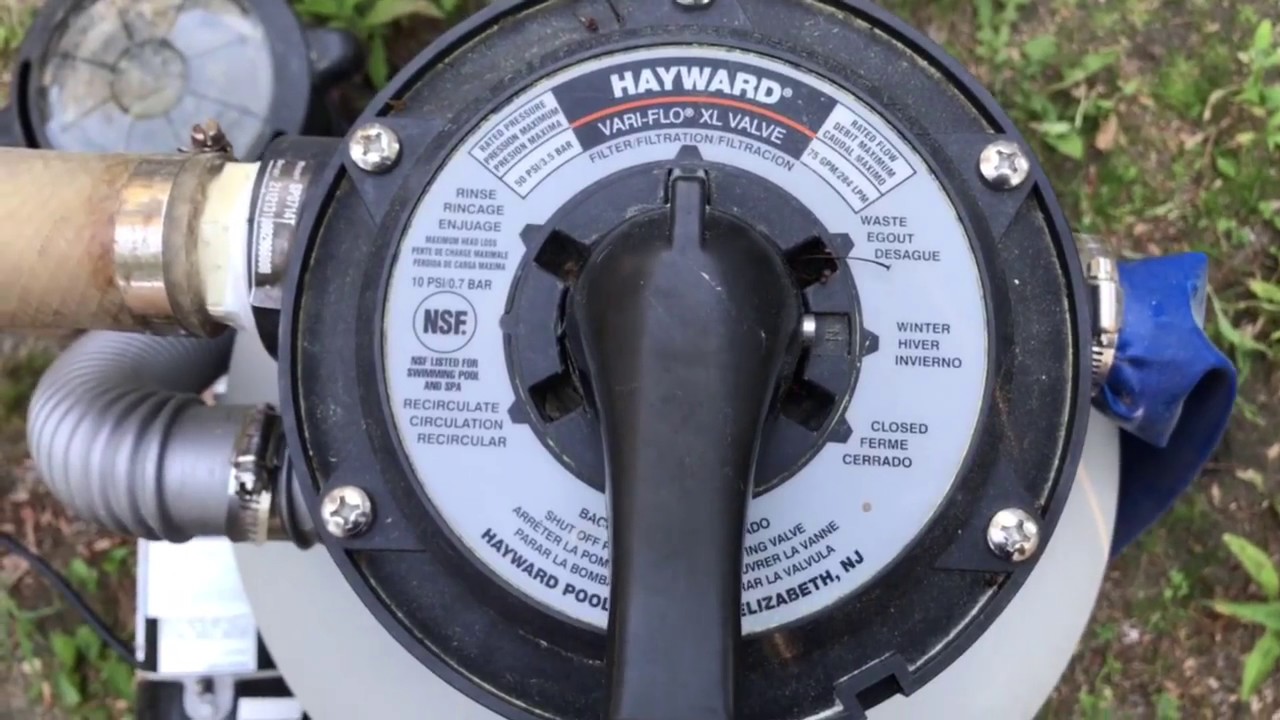
Recirculate mode is a setting on your pool pump that changes how water flows. Instead of sending water through the filter, it sends water straight back into the pool. This means the water skips the filter and goes through the pipes quickly.
This mode can help with specific pool tasks. It keeps water moving without cleaning it. Knowing when to use recirculate mode can save time and energy. It also helps protect your pool equipment in some cases.
What Is Recirculate Mode
Recirculate mode bypasses the pool filter. The pump pulls water from the pool and pushes it back directly. The water does not pass through the filter system. This speeds up water movement in the pool.
This mode is useful if the filter is dirty or clogged. It allows water to circulate while avoiding strain on the filter. It also helps when adding chemicals that need quick mixing.
When To Use Recirculate
Use recirculate mode when the filter is blocked or dirty. It keeps water flowing without damaging the filter. This can happen during heavy debris or after a filter cleaning.
Also use it when you add chemicals to the pool. It helps spread them evenly through the water. Use recirculate mode for vacuuming if the filter is clogged. This can prevent damage to the pump and filter.
Vacuuming On Recirculate
Vacuuming on recirculate means cleaning your pool while the water bypasses the filter. This method sends water back to the pool without going through the filter system. It can be useful in certain situations, such as when the filter is clogged or during heavy debris loads.
This technique helps avoid strain on the filter and pump. It also allows you to clean the pool without stopping the circulation. Understanding how vacuuming on recirculate works can help you decide if it fits your pool care routine.
Is It Safe For Your Pool
Vacuuming on recirculate is generally safe for your pool. It prevents damage to the filter by avoiding clogging from large debris. This method keeps water moving, which stops algae growth.
Still, it does not clean the water as well as filtering. Dirt and small particles return to the pool. This can make the water cloudy if used for too long. Use recirculate vacuuming only for short periods.
Pros And Cons
Vacuuming on recirculate has clear benefits. It protects your filter from getting clogged. It works well with heavy leaves or large debris. It keeps the pool water moving while cleaning.
On the downside, it does not remove fine dirt. The water can become cloudy after some time. It may require more frequent backwashing or cleaning of the filter. It is not a full replacement for normal vacuuming with filtering.
Step-by-step Vacuuming Guide
Vacuuming your pool on recirculate is a smart way to clean without backwashing the filter. This step-by-step guide helps you do it right. Follow the simple steps to keep your pool water clear and fresh.
Preparing Your Pool Equipment
First, gather all necessary tools: vacuum head, pole, hose, and vacuum plate. Attach the vacuum head to the pole securely. Connect the hose to the vacuum head. Submerge the vacuum head and hose in the pool to fill with water. Plug the hose end with your hand to keep water inside. Connect the hose to the skimmer or vacuum plate.
Turn off the pump before connecting equipment. Remove the skimmer basket if using a vacuum plate. Make sure the pump basket is clean to avoid clogs. Set the filter valve to the recirculate position. Turn on the pump to start water flow.
Vacuuming Techniques On Recirculate
Start vacuuming slowly along the pool floor. Move the vacuum head in straight lines or gentle strokes. Avoid stirring up dirt by moving too fast. Cover all pool areas evenly. Check the water clarity as you go.
Use the vacuum to clean corners and steps carefully. Watch the hose for any air bubbles or blockages. Pause occasionally to check the equipment. Vacuuming on recirculate allows debris to pass through the filter without backwashing.
Troubleshooting Common Issues
Troubleshooting common issues with vacuuming your pool on recirculate helps keep your cleaning efficient. Problems can stop the vacuum from working well. Finding the cause makes it easier to fix.
Many issues relate to suction or the filter system. Simple checks can save time and effort. Below are common problems and how to address them.
Poor Suction Problems
Poor suction is the most common pool vacuum issue. Debris may block the vacuum hose or head. Check for clogs and remove any blockages.
Air leaks can also reduce suction power. Inspect hose connections and seals for cracks or loose parts. Tighten or replace damaged sections.
Low water level in the pool can cause suction loss. Keep water above the skimmer level during vacuuming. This helps maintain steady suction.
Filter And Pump Concerns
A dirty or clogged filter reduces water flow. Clean or backwash the filter as needed to improve performance. A clean filter boosts suction strength.
The pump basket may contain leaves or debris. Empty it regularly to avoid pump strain. A clear basket helps the pump run smoothly.
Check the pump impeller for blockages. It moves water through the system. Clear any debris to restore proper flow.

Credit: www.mavaquadoc.com
Expert Tips For Efficient Cleaning
Cleaning a pool efficiently saves time and keeps water clear. Using the recirculate mode for vacuuming helps avoid filter clogs. Here are expert tips to get the best results.
Maximizing Vacuum Performance
Check the vacuum head and hose for blockages before starting. Move the vacuum slowly across the pool floor for better debris pickup. Avoid lifting the vacuum head out of water while cleaning. Use the right vacuum setting to match your pool type. Keep the vacuum hose straight and free of kinks. Regularly clean the vacuum’s filter basket to maintain suction power.
Maintaining Pool Water Quality
Run the pump long enough to circulate the water fully after vacuuming. Test water chemicals and adjust chlorine and pH levels as needed. Brush pool walls and steps to loosen dirt before vacuuming. Remove large debris manually to prevent clogging the pump. Backwash the filter system to clear trapped debris after cleaning. Keep an eye on water clarity to ensure cleanliness.
Frequently Asked Questions
Can I Vacuum My Pool On Recirculate Mode?
Yes, vacuuming on recirculate mode is possible but may not clean as well.
Does Recirculate Mode Affect Pool Vacuum Suction?
Recirculate mode lowers suction, which can reduce vacuuming power and cleaning efficiency.
Is It Safe To Vacuum Pool Without Filter On Recirculate?
Yes, it’s safe since water bypasses the filter, but debris won’t be trapped.
When Should I Avoid Vacuuming On Recirculate Setting?
Avoid vacuuming on recirculate if your pool has heavy dirt or debris.
How Does Recirculate Mode Impact Pool Water Clarity?
Recirculate mode may reduce water clarity since dirty water returns without filtering.
Can Recirculate Mode Save Energy While Vacuuming?
Recirculate mode can save energy but may cost more time cleaning the pool.
Conclusion
Vacuuming your pool on recirculate mode can work well in many cases. It helps clean the pool without clogging the filter. Remember to check your pump and filter regularly. This method saves water and energy, too. Always follow your pool’s specific guidelines for best results.
Keep your pool clear and safe with simple steps. Clean water means more fun and less hassle. Try vacuuming on recirculate and see the difference. Your pool will thank you!