
Is your pool water not flowing like it should? A broken return line in your ground pool could be the hidden problem causing low water pressure, uneven circulation, or even water loss.
If you’ve noticed these issues, it’s important to act fast before small troubles turn into costly repairs. You’ll learn how to spot the signs of a broken return line, why it matters, and what steps you can take to fix it quickly and keep your pool crystal clear all season long.
Keep reading—you’ll thank yourself later!
Signs Of A Broken Return Line
Detecting a broken return line in your ground pool early saves time and money. The return line sends water back to the pool after filtration. When it breaks, the pool system struggles to work properly. Notice these signs to catch problems fast.
Low Water Pressure
Water pressure drops noticeably when the return line leaks. The pump works harder but water flow slows. You may see weaker jets or less water movement in the pool. Low pressure means water escapes before reaching the pool.
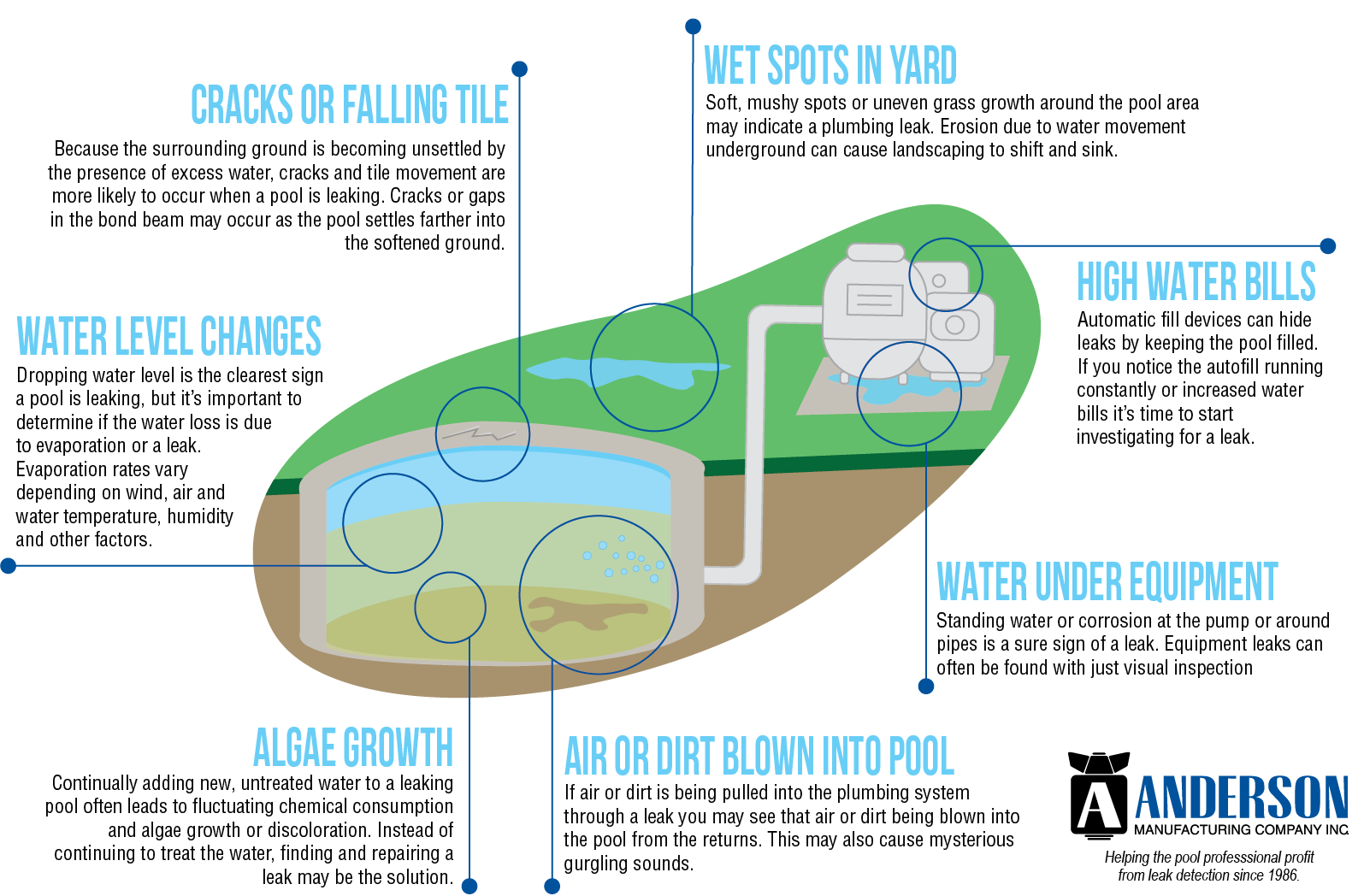
Visible Leaks Or Wet Spots
Wet spots near the return line or pool equipment often show leaks. You might spot puddles or damp soil around the plumbing. Water may pool on the ground even if the pool level stays the same. These are clear signs of a crack or break.
Unusual Noises From Pump
The pump may make strange sounds if the return line is broken. Listen for gurgling, banging, or whining noises. Air can enter the line through breaks, causing these sounds. Noises mean the system is struggling to keep water moving.
Credit: www.leaktools.com
Immediate Steps To Take
Finding a broken return line in your in-ground pool can be stressful. Acting fast helps reduce damage and save repair costs. Follow these immediate steps to control the situation and prepare for repairs.
Shut Off The Pump
Turn off the pool pump right away. This stops water flow through the broken return line. It prevents more water loss and avoids extra damage to the pump and pipes.
Locate The Leak
Look for the exact spot where water escapes. Check near visible cracks, wet soil, or pooling water. Mark the area clearly to guide repair work.
Drain Water Around The Leak Area
Remove water from the ground near the leak. Use a pump or bucket to clear the area. This makes repairs easier and keeps the site dry.
Temporary Repair Options
Finding a broken return line in a ground pool can be stressful. Quick action helps prevent water loss and bigger damage. Temporary repairs can hold the pipe until a permanent fix is done. Use simple tools and materials for fast results. Here are some easy repair options anyone can try.
Using Waterproof Tape
Waterproof tape is handy for small leaks or cracks. Clean the pipe area well. Dry it completely before applying tape. Wrap the tape tightly around the leak. Overlap each layer to make a strong seal. This method stops water from escaping for a short time. Check the tape often for wear and replace it if needed.
Applying Epoxy Putty
Epoxy putty works well for bigger cracks and holes. Mix the putty as the instructions say. Press it firmly on the broken part. Smooth the edges to cover the damage fully. Let it dry and harden completely before turning the water back on. Epoxy putty creates a solid patch that lasts longer than tape.
Clamp And Rubber Patch Method
This method uses a rubber piece and a metal clamp. Cut a small rubber patch to cover the hole. Place it directly over the leak. Secure it tightly with a clamp around the pipe. Tighten the clamp until the rubber seals the break. This option is strong and works well for medium leaks. Keep an eye on the clamp and adjust if water starts to leak.
Permanent Repair Solutions
Fixing a broken return line in a ground pool requires strong, lasting solutions. Temporary patches can fail quickly and cause more damage. Permanent repairs ensure your pool runs smoothly and stays leak-free for years. This section covers key steps for solid repairs that prevent future problems.
Replacing Damaged Pipes
Start by locating the broken section of the pipe. Cut out the damaged part carefully using a pipe cutter or saw. Measure a new pipe piece that fits the gap exactly. Use the same pipe material as the original to avoid leaks. Attach the new pipe securely with proper fittings. This method restores the line’s strength and stops leaks effectively.
Using Pvc Couplings And Solvent Cement
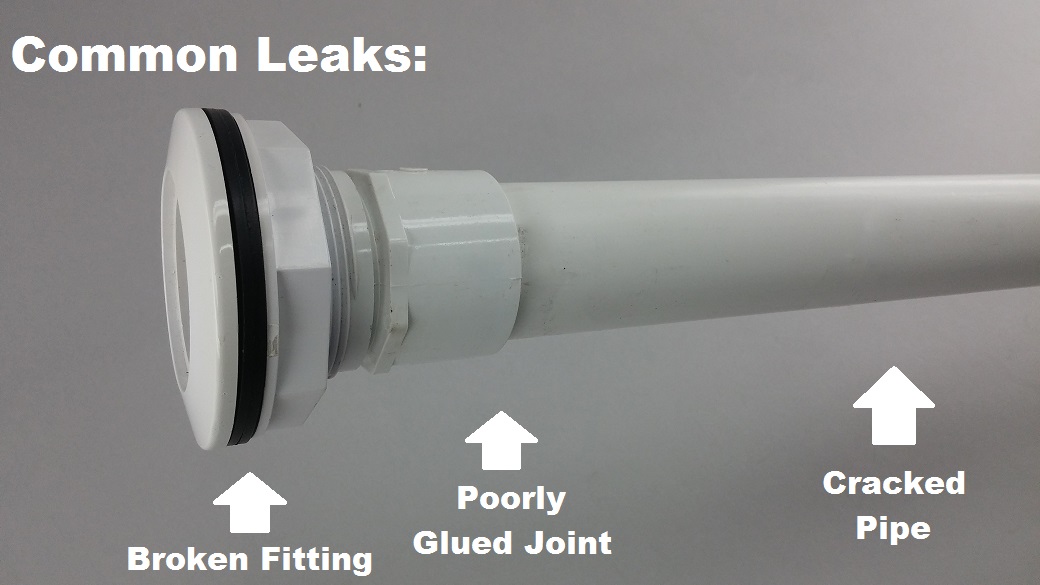
PVC couplings connect pipe sections tightly and prevent leaks. Apply solvent cement to the pipe ends and inside the coupling. Quickly join the pieces before the cement dries. Hold them firmly for a few seconds to set the bond. Solvent cement creates a permanent, waterproof seal that lasts long. This technique works well for small repairs or pipe replacements.
Hiring A Professional Technician
Professional pool technicians have tools and skills for tricky repairs. They find hidden breaks using special equipment. Experts replace pipes without damaging pool structures. They ensure all connections meet safety standards. Hiring a technician saves time and avoids guesswork. Trusting a pro guarantees a durable, leak-proof fix for your pool’s return line.
Preventing Future Breaks
Preventing future breaks in your ground pool’s return line saves time and money. Broken return lines cause leaks and poor water circulation. Taking steps to avoid damage keeps your pool system working well. Regular care and smart installation reduce the risk of cracks and breaks.
Regular Inspection And Maintenance
Check the return line often for signs of wear or damage. Look for cracks, leaks, or weak spots. Clean the area around the pipes to avoid dirt buildup. Fix small problems quickly before they get worse. Regular maintenance keeps the pipes strong and reliable.
Protecting Pipes From Freezing
Freezing water inside pipes can cause them to burst. Drain water from pipes before cold weather arrives. Use insulation sleeves or foam to cover exposed pipes. Keep the area around the pipes dry and protected. These steps prevent ice damage during winter months.
Proper Installation Techniques
Use quality materials designed for underground pool pipes. Ensure pipes have the right slope for water flow. Avoid sharp bends or kinks that cause stress points. Bury pipes deep enough to avoid surface pressure. Proper installation reduces the chance of breaks over time.
Tools And Materials Needed
Fixing a broken return line in a ground pool needs the right tools and materials. Having these ready saves time and effort. Each part plays a role in making the repair strong and lasting.
Essential Repair Tools
- Pipe cutter – to cut damaged pipe sections cleanly
- Adjustable wrench – for loosening and tightening fittings
- Slip-joint pliers – to grip and turn small parts
- Pipe deburring tool – removes rough edges from cut pipes
- Measuring tape – to measure pipe length accurately
- Marker – to mark cutting points on pipes
- Bucket – to catch water during repair
- Towels – to dry pipe and work area
Recommended Repair Materials
- Replacement PVC pipe – matches the diameter of the broken line
- PVC pipe fittings – elbows, couplings, or unions as needed
- PVC primer and cement – to bond pipe and fittings securely
- Rubber gasket or O-ring – to ensure leak-proof seals
- Teflon tape – wraps around threaded fittings to prevent leaks
- Sandpaper – smoothens pipe surfaces before gluing
- Pipe clamps – hold pipes in place during glue drying
Cost And Time Estimates
Fixing a broken return line in a ground pool involves both cost and time. These two factors depend on the damage size and repair method. Knowing the expenses and repair time helps plan the project better.
Diy Repair Costs
Doing the repair yourself saves labor costs. You need to buy materials like PVC pipes, connectors, and glue. These parts usually cost between $50 and $150. Tools might add extra cost if not already owned. DIY repair suits small leaks or minor breaks.
Professional Repair Expenses
Hiring a professional costs more but ensures proper repair. Service fees range from $300 to $800. The price changes with damage severity and location. Professionals bring experience and specialized tools. They can fix complex breaks and prevent future problems.
Expected Repair Duration
Repair time varies by repair type and damage size. Small DIY fixes might take a few hours. Professional repairs usually finish within one day. Large or hidden damages could need extra time. Quick repair avoids pool downtime and water loss.
Credit: www.leaktools.com

Credit: www.youtube.com
Frequently Asked Questions
What Causes A Broken Return Line In A Ground Pool?
Damage from shifting soil, tree roots, or aging pipes often breaks the return line.
How To Detect A Broken Return Line In A Pool?
Look for low water pressure, leaks, or water pooling near the pool equipment.
Can I Fix A Broken Return Line Myself?
Simple cracks can be patched, but major breaks usually need professional repair.
How Long Does It Take To Repair A Return Line?
Repairs can take from a few hours to a day, depending on damage.
Will A Broken Return Line Affect Pool Water Circulation?
Yes, it lowers water flow, causing poor filtration and water quality issues.
How To Prevent Return Line Breaks In A Ground Pool?
Regularly inspect pipes and avoid planting trees close to the pool area.
Conclusion
A broken return line can cause many pool problems. Fixing it quickly saves water and energy. Check for leaks often to avoid bigger issues. Small cracks can turn into costly repairs. Using the right tools makes the job easier. Keep your pool clean and running smoothly.
Regular care helps your pool last longer. Don’t ignore signs of damage or low water flow. A healthy return line keeps water clear and fresh. Take action soon to enjoy your pool fully.