
If you own an inground pool, you know how important it is to keep it in perfect shape year-round. One key step to protect your pool during colder months is blowing out the main drain.
But why is this simple task so crucial? And how can you do it right without causing damage? You’ll discover exactly what blowing out your main drain involves, why skipping it can cost you big, and easy steps to make sure your pool stays safe and ready for the next swim season.
Keep reading to learn how to protect your investment and avoid costly repairs.

Credit: www.reddit.com
Why Blow Out Your Main Drain
Blowing out your main drain is a key step in pool winterizing. It clears water from the pipes and main drain. Water left inside can freeze and expand. This causes cracks and damage to the plumbing system. Removing water keeps your pool safe during cold months. It also helps your pool equipment work well for many years.
Preventing Freeze Damage
Water in the main drain can freeze and cause cracks. Ice expands and puts pressure on pipes and fittings. This leads to leaks and costly repairs. Blowing out removes water and stops freezing inside pipes. It protects the pool structure and plumbing system. Avoid expensive fixes by clearing water before winter.
Maintaining Pool Equipment Longevity
Pool pumps and filters rely on dry pipes in winter. Water left in the main drain can harm these parts. Freezing water causes stress and wear on equipment. Blowing out the main drain reduces this risk. It helps keep pumps, valves, and filters in good shape. Proper care extends the life of your pool tools.
Tools Needed For Blowing Out
Blowing out the main drain of an inground pool requires specific tools. These tools help remove water from pipes to prevent freezing and damage. Having the right equipment makes the job easier and safer. Below are the essential tools you will need.
Air Compressor Options
An air compressor is the main tool for blowing out your pool’s main drain. Choose a compressor with enough power to clear water from the pipes. Small portable compressors work well for most home pools. Larger compressors provide faster results for bigger pools or complex systems.
Look for compressors with adjustable pressure settings. This helps control the airflow and avoid pipe damage. Electric compressors are common, but gas-powered ones offer more mobility if no power source is nearby.
Adapters And Safety Gear
Adapters connect the air compressor to your pool’s plumbing system. Use the correct size and type to ensure a tight fit. This prevents air leaks and improves blowing efficiency. Common adapters include quick-connect fittings and threaded connectors.
Safety gear is important. Wear safety goggles to protect your eyes from debris. Hearing protection helps reduce noise from the compressor. Gloves protect your hands while handling tools and pipes. Follow safety rules to avoid accidents during the blowout process.
Step-by-step Blowing Out Process
Blowing out the main drain of an inground pool protects pipes from freezing damage. This process removes water from pipes before winter. Follow these simple steps carefully to ensure your pool stays safe during cold months.
Shutting Down Pool Systems
Turn off the pool pump and all electrical equipment. This stops water flow and prevents damage. Disconnect the power supply to avoid accidents. Make sure all valves are closed to seal the system.
Attaching Air Compressor
Connect an air compressor to the main drain line. Use the correct adapter for a tight fit. Check that the compressor is set to low pressure. This avoids pipe damage during the blowout.
Clearing Water From Main Drain
Turn on the air compressor to push water out. Watch the water flow from the main drain line. Keep the air running until no water comes out. Repeat if needed to clear all water.
Checking For Complete Drainage
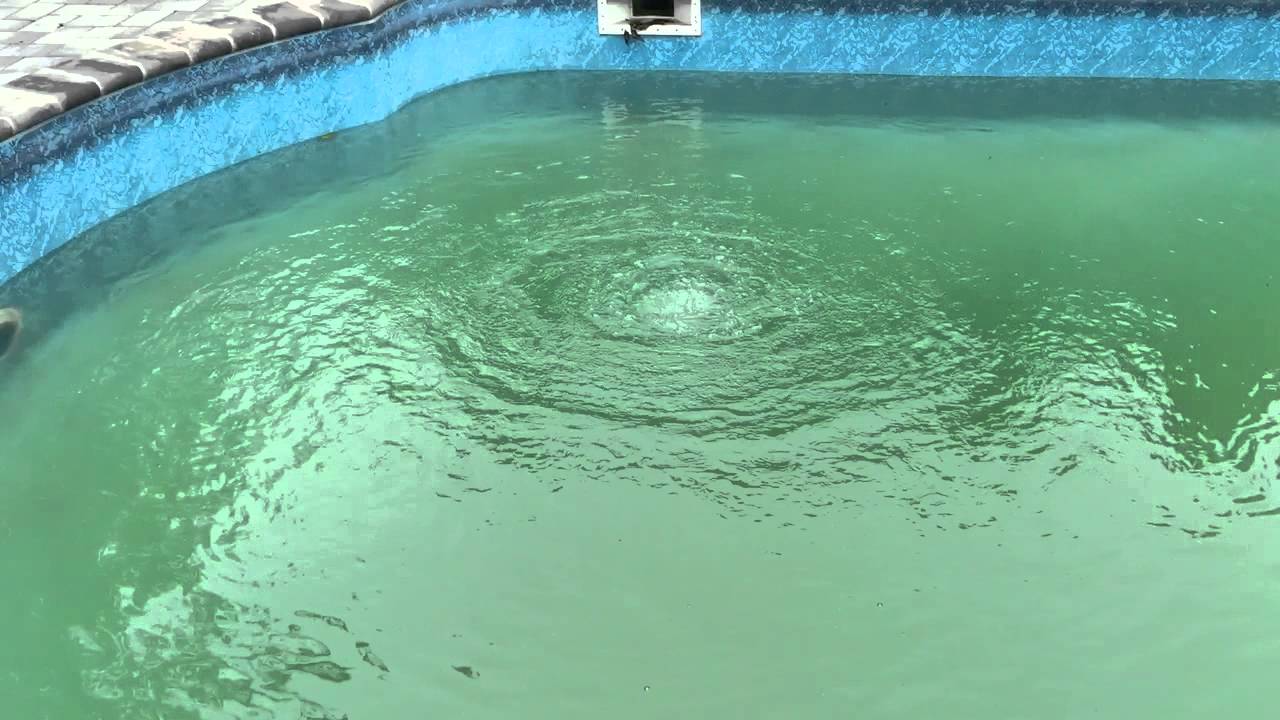
Inspect the main drain for any remaining water. Use a flashlight to see inside the pipes. Listen for air escaping without water sound. Confirm all water is removed before finishing.
Credit: www.youtube.com
Common Challenges And Fixes
Blowing out the main drain of an inground pool can be tricky. Several challenges might slow down the process or cause issues. Knowing common problems and quick fixes helps keep your pool safe and ready for winter.
Dealing With Stubborn Water
Water trapped in the main drain line is a common problem. It can freeze and damage pipes during winter. Try using a wet/dry vacuum to suck out water from the drain. Another method is to blow air from the opposite end to push water out. Repeat the process several times for best results. Make sure the drain plug is removed before blowing air. Small amounts of water may remain, but removing most prevents damage.
Handling Equipment Malfunctions
Equipment issues often occur during blowout. Air compressors or blowers can stop working or lose power. Check that power sources and connections are secure. Clean or replace clogged air filters to improve airflow. Use the right size hose and adapter for a tight seal. If the blower overheats, let it cool before restarting. Regular maintenance prevents many problems before the blowout day.
Additional Winterizing Tips
Winterizing your inground pool goes beyond just blowing out the main drain. Taking extra steps helps protect your pool and plumbing during the cold months. These additional tips keep your pool safe and ready for spring.
Protecting Pool Plumbing
Drain all water from pipes and equipment. Water left inside can freeze and cause cracks. Use air blowers to clear water from narrow pipes. Seal pipe openings with winter plugs or stoppers. Check seals for tightness to prevent water entry. Wrap exposed pipes with insulation sleeves. This reduces the risk of freezing damage.
Covering Your Pool Properly
Choose a sturdy winter cover that fits your pool well. Secure the cover tightly to stop debris and dirt. Remove leaves and dirt before covering the pool. Use a cover pump to remove rainwater and snow on the cover. This keeps the cover from sagging or tearing. Proper covering stops algae growth and keeps your pool clean.

Credit: diy.stackexchange.com
Frequently Asked Questions
What Is The Purpose Of Blowing Out The Main Drain In An Inground Pool?
Blowing out the main drain removes water to prevent freezing and pipe damage in winter.
How Often Should I Blow Out My Inground Pool’s Main Drain?
Blow out the main drain once before winter or when closing your pool for cold months.
What Tools Do I Need To Blow Out The Main Drain?
A blower or compressor, plugs, and a backflow preventer are essential tools for this task.
Can Blowing Out The Main Drain Damage My Pool Plumbing?
Proper blowing out does not harm pipes; incorrect pressure or method might cause damage.
How Long Does It Take To Blow Out The Main Drain?
The process usually takes 15 to 30 minutes depending on your pool’s size and equipment.
Should I Hire A Professional To Blow Out My Pool’s Main Drain?
Hiring a professional ensures safety and proper technique, especially for beginners or complex systems.
Conclusion
Blowing out the main drain in your inground pool helps protect it from damage. It keeps water from freezing inside the pipes during cold months. Doing this task carefully saves you money on repairs later. Use the right tools and follow safety steps for best results.
Regular maintenance keeps your pool ready for swimming season. Take time to prepare your pool properly each year. Your efforts will keep the pool safe and working well. Simple care makes a big difference over time.