
When it comes to giving your pool a fresh, clean look, you might be wondering whether acid wash or resurfacing is the better choice. You want your pool to sparkle and stay safe for swimming, but the options can feel overwhelming.
What will save you time and money? Which method will make your pool look brand new again? You’ll discover the key differences between acid wash and resurfacing, so you can make the best decision for your pool—and enjoy your backyard oasis without worry.
Keep reading to find out which option suits your needs perfectly.
Credit: www.dustlessblasting.com
Acid Wash Basics
Understanding the basics of acid washing helps you decide the best care for your pool. Acid wash is a cleaning method used to remove tough stains and buildup from pool surfaces. It’s a quick fix to restore the pool’s appearance without major repairs.
This process uses a mild acid solution to clean deep dirt and scaling. Knowing when and how to use acid wash can save money and extend your pool’s life.
What Is Acid Washing
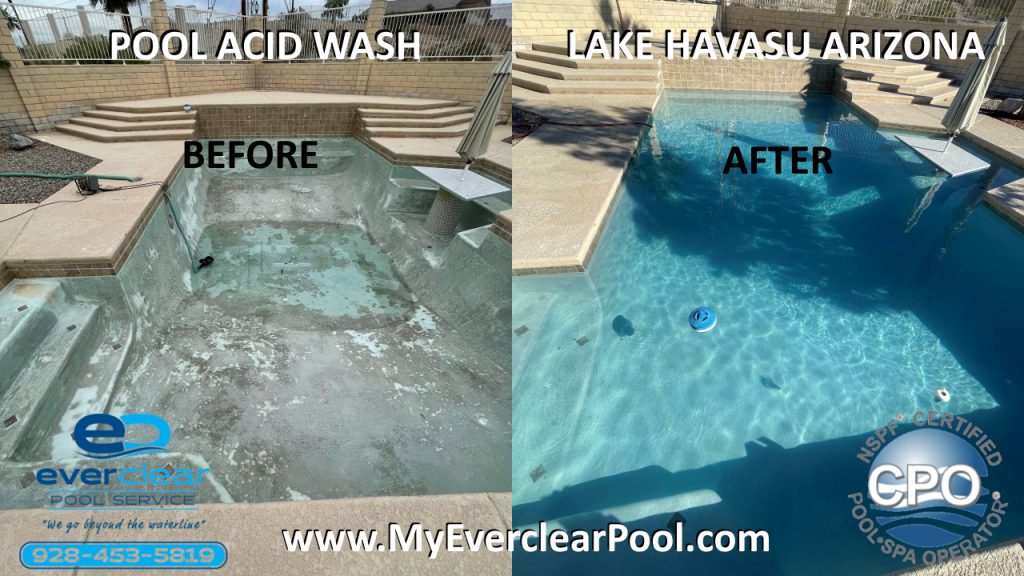
Acid washing means applying a diluted acid solution to the pool surface. The acid removes stains, algae, and mineral deposits. It strips a thin layer of plaster or surface material. This reveals a cleaner and fresher pool finish.
The process is fast and usually takes a few hours. After washing, the pool must be refilled and balanced carefully.
When To Choose Acid Wash
Choose acid wash if your pool has heavy stains or scaling. It works well when normal cleaning fails to clear tough dirt. Pools with rough, chalky surfaces or algae stains also benefit. Avoid acid wash if the pool surface is fragile or new.
Benefits Of Acid Wash
Acid washing improves the pool’s look quickly. It removes stains that regular cleaning cannot. The process is cost-effective compared to full resurfacing. It can extend the life of the pool surface by removing damaging deposits.
Risks And Limitations
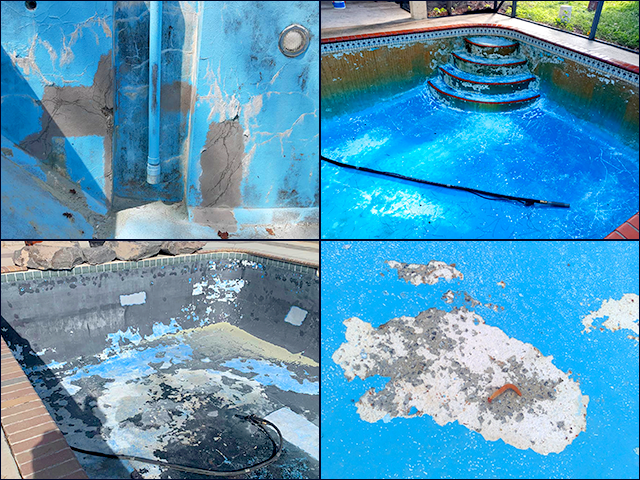
Acid washing removes a thin layer of your pool’s surface. Too many washes can damage the plaster or finish. It can cause rough texture or weaken the pool shell. Acid is hazardous and must be handled with care. The process cannot fix cracks or deep damage.

Credit: www.troublefreepool.com
Pool Resurfacing Essentials
Pool resurfacing is a key part of keeping your pool safe and beautiful. It helps fix cracks, stains, and rough surfaces. Resurfacing also improves the pool’s water hold and extends its life. Understanding the basics can help you make the right choice for your pool.
What Resurfacing Involves
Resurfacing means applying a new layer to the pool’s interior. First, the old surface is cleaned and roughened. Next, cracks or damage are repaired. Then, a new finish is spread evenly across the pool’s surface. Finally, the pool is left to cure before refilling with water.
Types Of Resurfacing Materials
Common materials include plaster, aggregate, and fiberglass. Plaster is smooth and affordable but may stain over time. Aggregate mixes small stones in plaster for a rougher, durable finish. Fiberglass offers a smooth, non-porous surface that lasts longer but costs more.
Advantages Of Resurfacing
Resurfacing fixes cracks and leaks effectively. It improves the pool’s appearance and smoothness. The process also helps prevent further damage. Resurfacing can increase the pool’s value. It is less expensive than building a new pool.
Potential Drawbacks
Resurfacing takes time and needs the pool empty. The pool cannot be used during the curing period. Some materials wear out faster and need more repairs. Costs can vary based on material and pool size. Poor workmanship may cause peeling or rough spots.
Comparing Acid Wash And Resurfacing
Comparing acid wash and resurfacing helps pool owners choose the best care method. Both improve pool condition but serve different needs. Acid wash cleans deep stains and minerals. Resurfacing repairs and renews the pool surface. Understanding their differences saves time and money.
Cost Differences
Acid wash usually costs less than resurfacing. It involves fewer materials and less labor. Resurfacing requires new surface materials and skilled workers. Prices for resurfacing vary based on pool size and material choice. Budget affects the decision between acid wash and resurfacing.
Durability And Longevity
Acid wash offers short-term cleaning benefits. It removes stains but does not fix damage. Resurfacing provides a new, smooth surface that lasts years. It protects the pool from wear and tear. Resurfacing is better for long-term pool health.
Time Required For Each Process
Acid washing takes only a few hours to complete. It requires quick drying before refilling the pool. Resurfacing can take several days or weeks. It involves removing old surface and applying new layers. Time availability influences the choice between these methods.
Impact On Pool Appearance
Acid wash brightens the pool by removing stains. It does not change the surface texture or color. Resurfacing transforms the pool’s look completely. It offers new colors and smooth finishes. Pools with surface damage benefit most from resurfacing.
Choosing The Right Method
Choosing the right method to refresh your pool is important. Both acid wash and resurfacing have benefits. Picking the best option depends on several factors. Understanding these factors helps you save money and time. It also ensures your pool stays in good shape for longer.
Evaluating Pool Condition
Check your pool’s surface for stains, cracks, or rough spots. Acid wash works well for removing stains and minor surface damage. Resurfacing is better if the pool has deep cracks or worn-out areas. The age of your pool also matters. Older pools often need resurfacing to fix bigger problems.
Budget Considerations
Acid wash is usually less expensive than resurfacing. It takes less time and fewer materials. Resurfacing costs more but lasts longer. It can add value to your pool by improving its look and durability. Think about how much you want to spend now and in the future.
Maintenance Needs
Acid washing cleans the surface but does not add protection. You might need to repeat it every few years. Resurfacing creates a new, smooth surface that resists damage. It can reduce cleaning time and future repairs. Consider how much maintenance you want to do regularly.
Professional Vs Diy Options
Acid washing can be risky if not done right. Chemicals must be handled carefully. Many choose professionals for safety and good results. Resurfacing almost always requires a professional team. It needs special tools and skills. Decide if you want to do it yourself or hire experts for the job.
Aftercare And Maintenance Tips
Proper aftercare and maintenance are key to keeping your pool safe and clean. Both acid washing and resurfacing need special care to last longer. Neglecting these steps can cause damage and costly repairs.
Following simple steps helps protect your pool’s surface. It also keeps the water clear and inviting. Knowing what to do after each treatment makes a big difference.
Post-acid Wash Care
After acid washing, wait at least 24 hours before filling the pool. Rinse the surface well to remove all acid residues. Test and balance the water’s pH and alkalinity. Avoid swimming until the water is safe and clear. Clean pool filters regularly during this period.
Post-resurfacing Maintenance
Keep the pool filled with water to avoid cracks on the new surface. Avoid using harsh chemicals for at least a month. Use gentle cleaners designed for resurfaced pools only. Brush the surface softly to prevent damage. Monitor water levels and adjust chemicals weekly.
Preventing Future Damage
Keep debris out by using a pool cover when not in use. Maintain proper water chemistry to stop stains and scaling. Inspect pool surfaces monthly for cracks or wear. Repair small damages immediately to avoid bigger problems. Schedule professional cleanings and checks yearly.
Seasonal Pool Care
Drain or cover the pool before winter to prevent freeze damage. Check water chemistry before closing and reopening the pool. Clean filters and remove debris seasonally. Use winterizing chemicals to protect surfaces and pipes. Open the pool slowly in spring, balancing chemicals gradually.
Credit: myeverclearpool.com
Frequently Asked Questions
What Is Acid Wash For Pools And How Does It Work?
Acid wash cleans pool surfaces by removing stains and buildup using a mild acid solution.
How Does Pool Resurfacing Differ From Acid Washing?
Resurfacing replaces or covers the pool surface, while acid wash only cleans the existing surface.
When Should I Choose Acid Wash Over Pool Resurfacing?
Choose acid wash for quick stain removal and resurfacing for long-term surface repair.
How Long Does Acid Washing A Pool Take?
Acid washing usually takes a few hours to complete, depending on pool size.
What Are The Costs Of Acid Wash Versus Pool Resurfacing?
Acid wash is cheaper but temporary; resurfacing costs more but lasts longer.
Can Acid Washing Damage My Pool Surface?
Improper acid washing can harm surfaces, so it should be done carefully or by experts.
Conclusion
Choosing between acid wash and resurfacing depends on your pool’s condition. Acid wash cleans deep stains but can wear down the surface. Resurfacing fixes cracks and gives your pool a fresh look. Think about cost, time, and how long you want results to last.
Both methods need professional care for the best outcome. Care and maintenance after treatment keep your pool looking great. Your choice will help your pool stay safe and beautiful for years.