
Have you noticed water disappearing from your above ground pool after closing it for the season? A leak can be frustrating and costly if left unchecked.
But don’t worry—you’re not alone, and there are clear steps you can take to find and fix the problem. You’ll learn how to spot the signs of a leak, understand what might be causing it, and discover simple solutions to protect your pool and save your money.
Keep reading to make sure your pool stays in great shape until it’s time to open again.
Common Leak Causes
Leaks in above ground pools after closing are common. They often start small but can cause big problems. Knowing the usual causes helps fix leaks faster. It also prevents water loss and damage.
Liner Damage
The pool liner is the first spot to check for leaks. Sharp objects can puncture or tear it. Sun exposure weakens the liner over time. Wrinkles or folds may cause stress and cracks. Small holes let water escape slowly.
Valve Issues
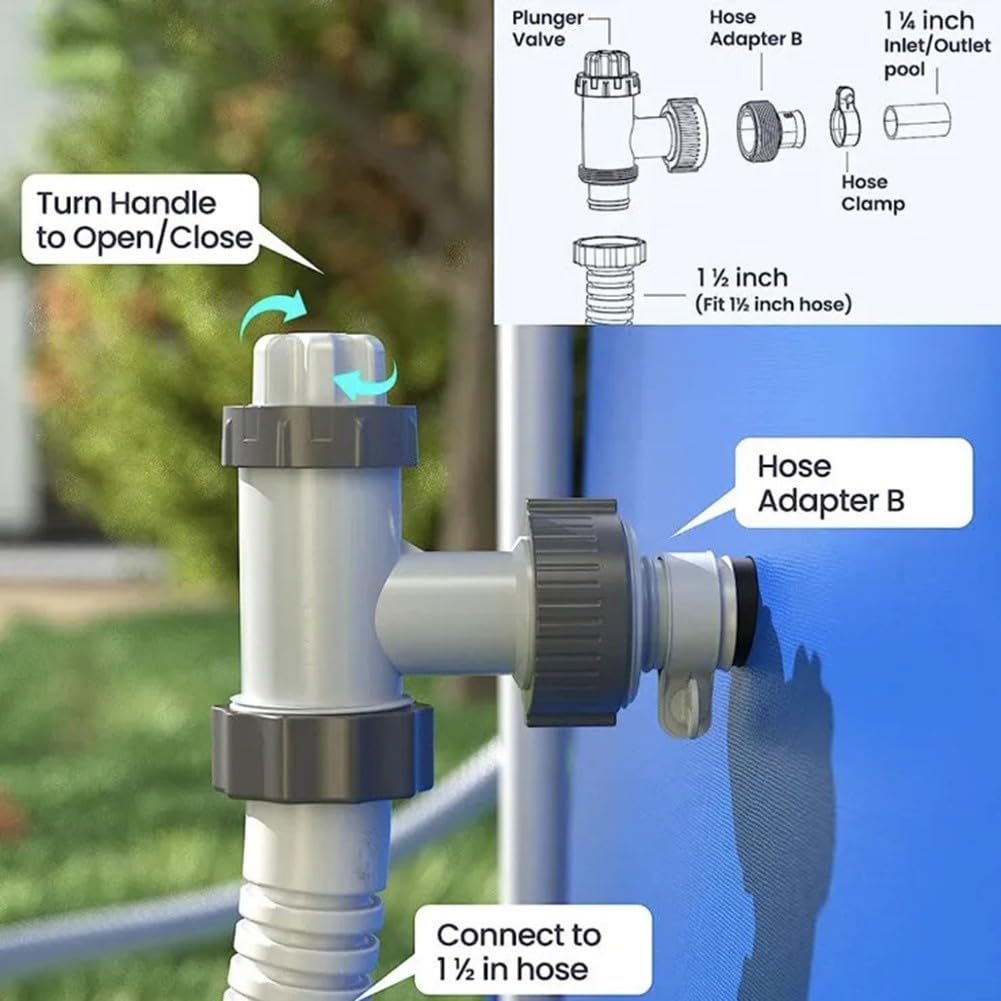
Valves control water flow and pressure in the pool system. Old or broken valves can drip or leak. Loose fittings around valves may cause leaks too. Dirt and debris can stop valves from closing tightly. This allows water to seep out.
Pipe And Fitting Problems
Pipes under or around the pool carry water to pumps and filters. Cracks or breaks in pipes cause leaks. Loose or damaged fittings let water escape. Freezing temperatures can crack pipes if not drained. Check all connections for tightness.
Winterizing Mistakes
Proper winterizing protects the pool from cold damage. Not draining water from pipes can cause cracks. Skipping the use of antifreeze leads to frozen leaks. Leaving pool water too high may cause stress on the liner. These errors increase the chance of leaks.

Credit: www.ubuy.com.jm
Detecting The Leak
Detecting a leak in your above ground pool after closing is important to avoid water loss and damage. Early detection saves time and money. Learn how to spot leaks with simple methods. These steps help you find the problem quickly and easily.
Visual Inspection Tips
Check the pool walls and floor for cracks or holes. Look closely at seams and fittings. Examine the pump and filter for wet spots. Inspect the area around the pool for damp soil or puddles. Watch for algae growth, which may show water leaks. Use a flashlight to see better in shaded parts.
Water Level Monitoring
Mark the water level with tape or a marker. Wait 24 hours without adding water. Check the water level again. If it drops more than usual, a leak might exist. Make sure no rain or evaporation affects the level. Repeat this test several days for accuracy.
Using Leak Detection Tools
Try dye testers to find leaks in liners or fittings. Add dye near suspect areas and watch if it moves toward a crack. Use electronic leak detectors for more precise results. These tools sense water escaping from the pool. Some tools require professional help, but simple kits are available for homeowners.
Quick Liner Repairs
Quick liner repairs help stop leaks fast in above ground pools. Fixing the liner soon prevents water loss and bigger problems. Simple repairs save money and extend the pool’s life.
Learn easy ways to patch your pool liner. Use the right tools and materials. Follow clear steps for best results. Temporary fixes also help until full repair is possible.
Patch Kits And Materials
Patch kits come with everything needed for liner repair. They include adhesive and patches made from durable vinyl. Choose kits made for above ground pool liners. Some kits have clear patches for less visible repairs.
Gather clean cloth and scissors. Keep the liner dry before patching. Proper materials make the patch last longer.
Step-by-step Patch Application
First, drain water below the leak area. Clean and dry the liner around the hole. Cut a patch slightly larger than the leak.
Apply adhesive evenly on the patch and liner. Press the patch firmly on the leak. Smooth out air bubbles for a tight seal. Let the patch dry as the instructions say.
Check the repair before refilling the pool. A well-done patch stops leaks quickly and holds strong.
Temporary Seal Solutions
Temporary seals help control leaks before full repair. Use waterproof tape designed for pool liners. Apply tape over the dry, clean leak area.
Another option is pool putty or sealant. Press it into the hole and let it harden. These fixes hold until a patch kit is available.
Temporary fixes keep your pool usable and prevent water waste. They buy time for a proper liner repair.

Credit: www.thepoolfactory.com
Fixing Valves And Fittings
Fixing valves and fittings is key to stopping leaks in above ground pools. These parts control water flow and pressure. Small cracks or loose parts cause water to drip. Checking these pieces saves water and prevents damage. Simple fixes often solve the problem quickly.
Identifying Faulty Valves
Start by looking at the valves closely. Check for cracks or rust. Move the valve handle to see if it feels loose. Watch for water dripping around the valve base. A faulty valve may also make strange noises when water flows. Mark any valve that seems broken or weak.
Replacing O-rings And Seals
O-rings and seals keep water tight inside valves. Over time, these parts wear out or crack. Remove the valve handle to access the O-ring. Take out the old ring carefully. Replace it with a new one of the same size. Check seals around fittings and swap any that look damaged.
Tightening And Securing Connections
Loose connections cause water to leak from fittings. Use a wrench to tighten nuts and bolts. Avoid overtightening to prevent damage. Secure hoses and pipes to their fittings firmly. Check all joints after tightening to ensure no leaks remain.
Addressing Pipe Leaks
Pipe leaks can cause water loss and damage in above ground pools. Finding and fixing these leaks early saves money and effort. Pipes can crack or develop holes due to cold weather or wear. Careful inspection and repair keep your pool safe and functional after closing.
Spotting Cracks And Holes
Look for wet spots or soft ground near the pool pipes. Check for visible cracks or holes on the pipe surface. Listen for hissing sounds that show escaping water. Use a flashlight for a clearer view in dark areas. Small leaks can be hard to see but cause big problems.
Using Epoxy And Sealants
Clean the pipe area around the leak well before repair. Apply epoxy putty or waterproof sealant over cracks and holes. Press firmly to cover the damage completely. Let the material dry as per the instructions. These fixes often stop leaks quickly and hold for months.
When To Replace Pipes
Replace pipes with large cracks or multiple leaks. Old or brittle pipes may break again after repair. Pipes damaged by freezing need full replacement. Choose new pipes made for outdoor and pool use. Proper pipe replacement prevents future leaks and water loss.
Preventing Future Leaks
Preventing leaks in your above ground pool after closing saves time and money. Careful steps during winterizing and maintenance keep the pool strong. Proper storage protects the pool parts and liner from damage. Small efforts now avoid big problems later.
Proper Winterizing Techniques
Drain the pool water to the correct level. Clean the pool thoroughly before closing. Use a pool cover that fits well and keeps debris out. Add antifreeze in the plumbing to stop freezing and cracks. Check the liner for holes and patch them early.
Regular Maintenance Tips
Check water chemistry often, even during winter. Clean the filter and pump regularly to avoid clogs. Inspect the pool frame and supports for rust or damage. Fix small leaks immediately to stop them from growing. Keep the pool area clear of sharp objects.
Storage Recommendations
Store pool accessories in a dry, cool place. Fold the liner carefully to prevent creases and tears. Avoid placing heavy items on top of stored parts. Use bags or containers to protect small pieces. Label storage boxes for easy finding next season.
When To Call A Professional
Knowing when to call a professional for an above ground pool leak after closing is important. Some leaks are easy to fix on your own. Others need special tools and skills. Calling an expert can save time and money. It also prevents further damage to your pool.
Signs Of Major Damage
Look for big cracks or holes in the pool liner. Water levels dropping fast is a strong sign. If the pool wall feels soft or bends easily, damage might be serious. Mold or mildew near the leak area shows water trapped for a long time. These signs mean you need a professional’s help.
Cost Considerations
Repair costs vary depending on the damage size. Small leaks cost less to fix than big tears or wall damage. A professional can give a clear estimate before starting repairs. Ignoring leaks may cause bigger, costly problems later. Spending a bit now can avoid expensive repairs in the future.
Choosing The Right Expert
Pick a professional with pool repair experience. Ask for references or read online reviews. Check if they use quality materials and offer warranties. Clear communication and quick response are key. A skilled expert ensures your pool is safe and leak-free for next season.
Credit: sanskardhammumbai.com
Frequently Asked Questions
Why Is My Above Ground Pool Leaking After Closing?
Leaks often occur from cracks, damaged liners, or loose fittings after closing the pool.
How Can I Find The Leak In My Above Ground Pool?
Look for wet spots, low water levels, or use a dye test near suspected areas.
Can Winter Weather Cause My Pool To Leak After Closing?
Yes, freezing temperatures can crack liners or pipes, causing leaks during winter.
Should I Drain The Pool Completely To Fix A Leak?
Not always; partial draining can help, but full draining may damage the pool structure.
How Do I Repair Small Leaks In Above Ground Pools?
Use patch kits, sealants, or replace damaged liners to fix small leaks effectively.
When Should I Call A Professional For Pool Leak Repairs?
Call a pro if leaks are large, hard to find, or repairs seem complicated.
Conclusion
A leaking above ground pool after closing can cause big problems. Fixing leaks early saves water and money. Check the pool liner, valves, and fittings carefully. Small cracks or holes need quick repair. Regular maintenance keeps your pool safe and clean.
Taking action now helps avoid bigger damage later. Keep your pool ready for next season. Simple care makes a big difference. Stay alert and protect your pool investment.