
Imagine having your very own pool right inside your garage—no more worrying about weather, privacy, or neighbors watching. An above ground pool inside your garage can turn an ordinary space into a personal oasis where you can relax, exercise, and have fun all year round.
If you’ve ever dreamed of a private swim spot that’s easy to set up and maintain, this idea might be perfect for you. Keep reading to discover how you can transform your garage into the ultimate pool retreat and why this clever setup could be exactly what your home needs.
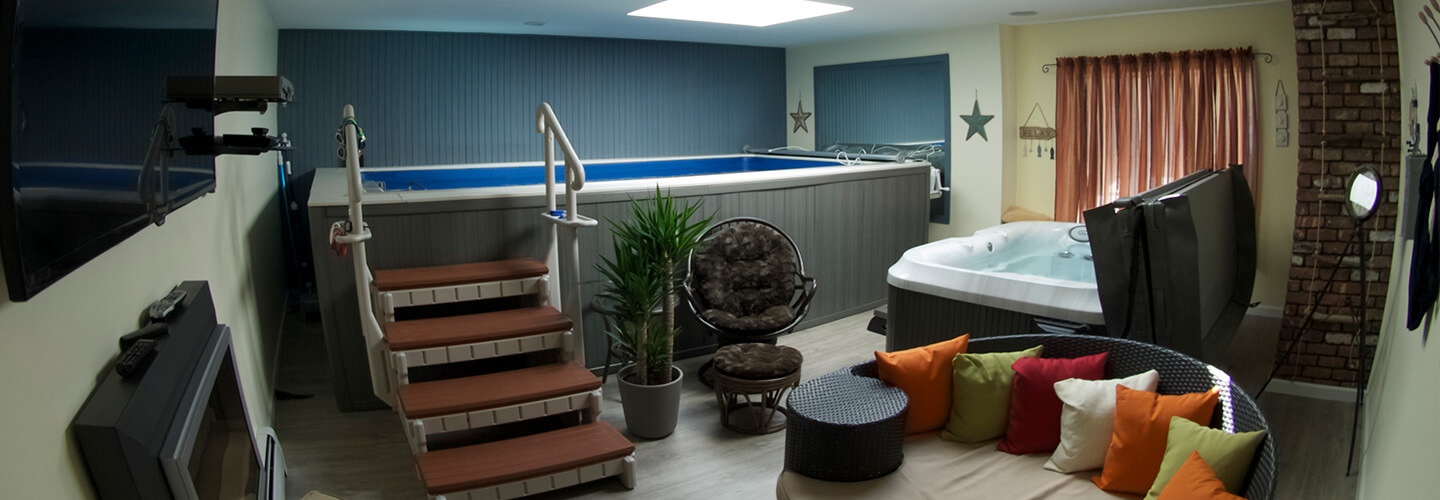
Credit: www.endlesspools.com.my
Choosing The Right Pool
Choosing the right above ground pool for your garage is important. The pool must fit well and be safe to use indoors. Consider the space, your needs, and the pool’s features. This helps you enjoy your pool without problems.
Types Of Above Ground Pools
Above ground pools come in many types. Some have steel frames for strong support. Others use inflatable rings for easy setup. There are also pools with resin frames that resist rust. Pick a type that suits your garage space and budget.
Size And Shape Considerations
Measure your garage carefully before choosing a pool size. Small pools work well in tight spaces. Round pools fit most areas and are easy to place. Oval or rectangular shapes offer more swimming room. Think about how many people will use the pool.
Material Options
Pool materials affect durability and comfort. Vinyl liners are common and smooth on the skin. Steel frames give strong support but may rust over time. Resin frames resist rust and last long. Pick materials that match your climate and garage conditions.
Garage Preparation
Preparing your garage for an above ground pool needs careful planning. This step ensures safety and a great pool experience. Proper preparation protects your home and keeps the pool in good condition. Follow these key points to get your garage ready.
Space Measurement And Layout
Measure the garage space accurately. Check the pool size against the available area. Allow room for walking around the pool. Think about pool accessories and storage needs. Plan the layout to avoid tight spaces. Mark the pool spot clearly before setup.
Flooring And Waterproofing
Garage floors must be strong and even. Repair cracks or uneven spots to prevent damage. Add a waterproof layer to protect the floor. Use plastic sheets or waterproof mats under the pool. This prevents water leaks and floor damage. Proper flooring extends the life of both pool and garage.
Ventilation Needs
Good airflow is essential in a garage pool space. Pools create moisture that can build up quickly. Install fans or vents to move air and reduce humidity. Open garage doors or windows during pool use. This stops mold and mildew growth. Proper ventilation keeps air fresh and safe.
Installation Process
Installing an above ground pool inside your garage needs careful planning. The process involves several important steps. Each step ensures the pool is safe and functional. Proper installation helps avoid future problems. Below are the key parts of the installation process.
Step-by-step Setup
First, clear the garage space. Remove all items and clean the floor. Check the floor for cracks or uneven spots. Use a level tool to confirm flatness. Lay a protective liner to avoid damage. Assemble the pool frame following the instructions. Fit the pool walls securely around the frame. Add the pool liner and smooth out wrinkles. Fill the pool slowly with water. Monitor the structure during filling for stability.
Electrical And Plumbing Setup
Install a dedicated electrical circuit for the pool pump. Use waterproof outlets and covers for safety. Connect the pump and filter system properly. Use correct hoses to link the pump and pool. Ensure all plumbing joints are tight to prevent leaks. Test the electrical system before starting the pump. Set timers for the pump to save energy. Check water flow and adjust as needed.
Safety Precautions
Keep the garage well-ventilated to avoid moisture buildup. Install a carbon monoxide detector if a gas heater is used. Use non-slip mats around the pool area. Store chemicals safely, away from children and pets. Keep electrical devices away from water. Check pool covers for secure fitting. Always supervise children near the pool. Follow local safety codes for indoor pools.
Maintenance Tips
Keeping an above ground pool inside your garage clean and safe needs regular care. Proper maintenance helps the pool last longer and keeps the water fresh. Small steps every day can make a big difference. Focus on water quality, cleaning, and seasonal changes to keep the pool ready for fun.
Water Quality Management
Check the water often to keep it clear and healthy. Test the pH and chlorine levels twice a week. Balanced water stops germs and algae from growing. Add chemicals carefully. Too much can harm the pool and your skin. Use a pool shock treatment every two weeks to kill bacteria. Keep the water fresh by adding clean water if needed.
Cleaning And Filters
Clean your pool surface every few days. Remove leaves, dust, and debris with a net or pool vacuum. Filters catch dirt and keep water clear. Clean or replace the filter as the manual says. A dirty filter reduces water flow and makes the pool dirty. Run the filter at least 8 hours a day. This helps keep the water moving and clean.
Seasonal Care
Adjust pool care as the seasons change. In winter, cover the pool to stop dust and dirt. Drain some water to avoid damage from freezing. Check the garage temperature to protect the pool materials. In spring, clean the pool well before use. Replace old water and inspect all equipment. Regular seasonal care keeps the pool safe and ready for swimming.
Heating And Lighting
Heating and lighting are key for an above ground pool inside your garage. They create comfort and mood. Warm water feels inviting. Proper lights make the space cozy and safe. Both help you enjoy your pool anytime.
Pool Heating Options
Electric heaters work well for indoor pools. They warm water fast and keep temperature steady. Heat pumps use less energy by moving heat from air to water. Solar heaters use sunlight but need a roof window or panel outside. Choose a heater that fits your garage size and budget.
Lighting Solutions For Ambiance
LED lights are popular for pool lighting. They are bright and use little energy. Color-changing LEDs add fun to pool time. Wall-mounted lights brighten the garage without glare. Use dimmable lights to set the right mood. Avoid harsh, flickering lights.
Energy Efficiency
Good insulation keeps heat inside the pool. Cover the pool to reduce heat loss. Use timers for lights and heaters to save power. LED bulbs last longer and use less energy. Pick energy-efficient equipment to lower electricity bills. Small changes make a big difference.
Benefits Of Indoor Pools
Having an above ground pool inside a garage offers many benefits. Indoor pools create a perfect space for swimming without worrying about weather. They provide privacy and comfort, making swimming more enjoyable. Indoor pools can also increase your home’s value.
Year-round Swimming
Indoor pools let you swim any time of the year. Rain, snow, or cold weather does not stop you. The temperature stays warm and steady inside the garage. You can exercise, relax, or have fun every day.
Privacy And Comfort
Swimming inside your garage gives you full privacy. No neighbors or strangers can see you. The garage walls block noise and distractions. You control the lighting and air quality for your comfort.
Home Value Boost
An indoor pool adds value to your house. Buyers see it as a luxury and convenience. It makes your home stand out in the market. Investing in an indoor pool is smart for future resale.
Common Challenges
Installing an above ground pool inside a garage brings unique challenges. These challenges can affect comfort, safety, and the pool’s lifespan. Understanding these issues helps in planning and maintaining the pool.
Humidity Control
Pools create a lot of moisture. This moisture raises humidity inside the garage. High humidity can cause mold and damage walls or ceilings. Proper ventilation or a dehumidifier is necessary. It keeps air dry and prevents damage.
Space Constraints
Garages have limited space. Above ground pools need room for water and swimmers. Extra space is needed for moving around safely. Furniture or vehicles might need to move out. Careful measuring ensures the pool fits comfortably.
Structural Considerations
Garages are not built for heavy water weight. The pool and water add significant load to the floor. The floor must be strong enough to support this weight. Check with a professional before installation. Structural reinforcement might be needed to avoid damage.
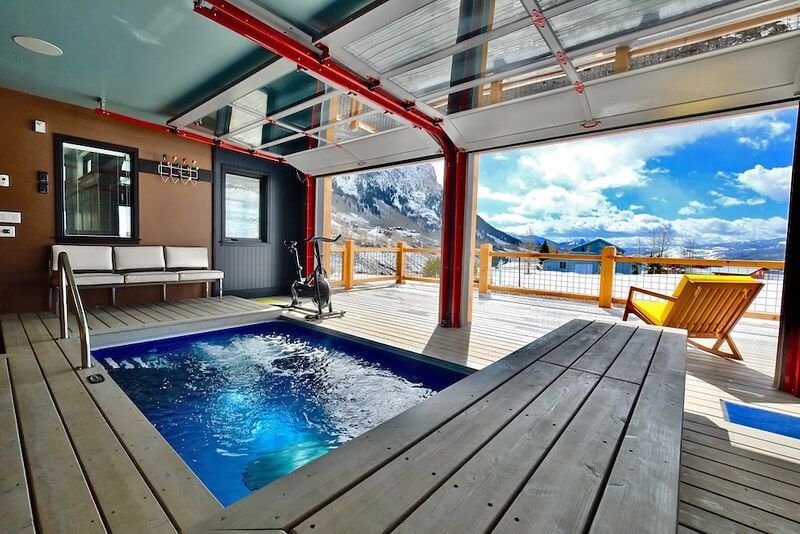
Credit: www.endlesspools.com
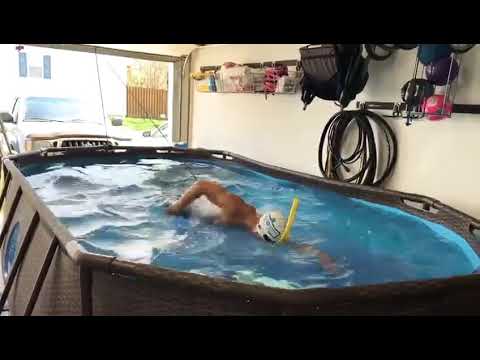
Credit: www.youtube.com
Frequently Asked Questions
Can You Put An Above Ground Pool Inside A Garage?
Yes, placing an above ground pool inside a garage is possible with enough space and proper setup.
What Are The Benefits Of An Indoor Above Ground Pool?
Indoor pools protect water from dirt, reduce evaporation, and allow swimming year-round.
How Do You Control Humidity In A Garage Pool?
Use a dehumidifier and good ventilation to keep moisture levels safe and prevent mold.
What Garage Size Is Needed For An Above Ground Pool?
A garage must be large enough to fit the pool and allow space for movement.
Is It Safe To Use Chemicals In A Garage Pool?
Yes, but ensure good ventilation to avoid harmful fumes building up inside the garage.
How Do You Maintain An Above Ground Pool In A Garage?
Regular cleaning, water testing, and equipment checks keep the pool safe and clean indoors.
Conclusion
An above ground pool inside a garage offers unique benefits. It saves outdoor space and protects the pool from weather. You can enjoy swimming all year long. Proper ventilation and moisture control keep the garage safe. Planning and regular care help maintain water quality.
This setup fits well in small homes or cold areas. It brings comfort and fun without needing a big yard. Consider your garage size and budget before starting. This idea suits many families who want easy pool access. Try it and enjoy a swim anytime you want.