
If you have a resin above ground pool, you might not realize how important bonding it is for your safety. Bonding creates a safe electrical connection that protects you and your family from electrical shocks.
But don’t worry—bonding your pool is easier than you think, and it can save you from serious hazards. You’ll learn exactly what bonding means, why it matters, and how you can do it yourself or with professional help. Keep reading to make sure your pool is safe and ready for endless fun.
Choosing The Right Resin Pool
Choosing the right resin pool is important for safety and long-term use. Resin pools are popular because they resist rust and look good. Picking the best type depends on your budget, space, and how much care you want to give it.
Good resin pools offer strong frames and smooth surfaces. They also match different backyard styles. Knowing the types and maintenance needs helps you find the perfect pool for your home.
Types Of Resin Pools
Resin pools come in several styles. Some have a steel frame with resin panels. Others use full resin walls. The steel frame models are strong and often cheaper. Full resin pools last longer but cost more.
Round and oval shapes are common. They fit many yards and are easy to set up. Some pools include extra features like built-in steps or ladders. Choose a shape and style that fits your space well.
Durability And Maintenance
Resin pools resist rust and fade from the sun. They handle cold and hot weather better than metal pools. Cleaning is simple with a soft brush and mild soap. Avoid harsh chemicals to keep the resin smooth.
Check the pool frame regularly for cracks or loose parts. Fix small issues early to avoid bigger repairs. Cover the pool in winter to protect it from snow and ice. Proper care extends the pool’s life and keeps water safe.
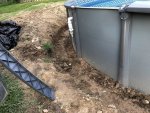
Credit: www.troublefreepool.com
Preparing The Pool Site
Preparing the pool site is a vital step before bonding a resin above ground pool. A well-prepared site ensures a sturdy base and proper installation. It helps avoid future problems like leaks or uneven surfaces. Careful preparation makes your pool safer and longer-lasting.
Leveling The Ground
Start by checking the ground for levelness. Use a long board and a spirit level to find high and low spots. Remove any bumps or fill low areas with sand or soil. A flat surface prevents the pool walls from bending or breaking. Take your time to make the ground as even as possible.
Clearing Debris
Clear the area of stones, sticks, and other debris. These items can damage the pool liner or cause uneven pressure. Rake the site thoroughly to remove sharp objects. A clean surface protects the pool’s structure and keeps the resin bonding strong. Double-check the site before placing the pool.
Electrical Bonding Basics
Electrical bonding is a safety step for resin above ground pools. It helps stop electric shocks by connecting metal parts and electrical systems. This connection makes sure all metal parts have the same electric charge. It lowers the risk of electric shock near water.
Why Bonding Matters
Bonding keeps everyone safe around the pool. Water and metal can carry electricity. If metal parts are not bonded, they can become dangerous. Bonding helps prevent shocks by equalizing electrical charges.
It also protects the pool equipment. Proper bonding stops damage caused by electrical faults. It makes the pool safer and extends the life of pool parts.
Key Bonding Components
Several parts are needed for good bonding. A bonding wire connects metal parts and the pool’s electrical system. This wire is usually copper for good electric flow.
Bonding clamps attach the wire to metal surfaces. They must be tight and secure. The pool’s pump, filter, ladder, and metal frame all need bonding. Even metal parts buried underground should be bonded.
Step-by-step Bonding Process
Bonding a resin above ground pool is crucial for safety. It helps prevent electrical shocks by connecting metal parts and the pool structure to the ground. This process is simple but must be done carefully. Follow these clear steps to ensure proper bonding and protect your family.
Gathering Tools And Materials
Start by collecting all necessary tools. You will need a bonding wire, a grounding clamp, a wire stripper, and a screwdriver. Also, have a multimeter ready to check connections later. Use copper wire, usually 8 or 10 gauge, for good conductivity. Make sure all materials meet local electrical codes.
Connecting Bonding Wires
Attach the bonding wire to the pool’s metal frame or resin parts with metal inserts. Strip a small section of insulation from the wire ends. Secure the wire tightly to the metal parts using the grounding clamp. Check that the wire touches the metal surface directly. Avoid loose or weak connections to ensure safety.
Securing Bonding Connections
Double-check each connection point for firmness. Use a screwdriver to tighten clamps fully. Protect exposed wires with electrical tape or wire connectors. Test the system with a multimeter to confirm continuity. Proper bonding reduces electric shock risks and keeps your pool safe.
Common Safety Hazards
Bonding a resin above ground pool is key for safety. It protects swimmers from electric shocks. Understanding common safety hazards helps prevent accidents around the pool.
Many hazards come from electrical issues. These can be dangerous without proper bonding and grounding. Let’s explore the main risks to watch for.
Electrical Shock Risks
Electric shock is a serious danger near pools. Water and electricity do not mix safely. Faulty wiring or damaged equipment can cause shocks. Bonding reduces this risk by creating a safe path for electricity. It stops electric current from passing through the water. Always check pool lights, pumps, and outlets regularly. Use ground-fault circuit interrupters (GFCIs) for added protection. Never touch electrical devices with wet hands.
Improper Grounding Issues
Improper grounding can cause dangerous situations. Grounding connects electrical parts to the earth. This prevents electricity from building up. Without it, stray currents can flow through the pool’s metal parts. That puts swimmers at risk. Resin pools still need proper grounding of metal components. Check that all metal parts are connected to the grounding system. Use a qualified electrician for installation and inspection. Proper grounding ensures the bonding system works correctly.

Credit: www.youtube.com
Inspection And Testing
Inspecting and testing the bonding of a resin above ground pool is vital for safety. This step checks that all metal parts connect properly. It prevents electrical shocks and ensures the pool is safe to use.
Thorough inspection helps find any weak or broken connections. Testing confirms that the bonding system works as it should. Both steps protect swimmers and the pool equipment.
Using A Multimeter
A multimeter measures electrical resistance and continuity. Set it to the lowest resistance setting. Touch one probe to the bonding wire and the other to the metal pool frame.
A low resistance reading means good connection. High resistance or no reading shows a problem. Test every bonding point around the pool to confirm all parts connect well.
Ensuring Proper Continuity
Continuity means electricity can flow without interruption. Check the continuity between the bonding wire and every metal part. This includes ladders, pumps, and filters.
Use the multimeter to verify no breaks in the bonding path. Proper continuity reduces the risk of electrical hazards. Fix any breaks or loose connections immediately.
Maintenance Tips For Safety
Maintaining the bonding of a resin above ground pool is key for safety. Proper care helps prevent electrical hazards and keeps your pool safe to use. Regular checks and quick repairs avoid risks and keep the bonding system effective.
Regular Bonding Checks
Check the bonding wire and connections often. Look for loose wires or corrosion. Use a voltmeter to test if the bonding is working well. Regular inspections catch problems early before they grow.
Addressing Wear And Tear
Inspect the bonding components for signs of damage. Replace worn wires or connectors immediately. Keep the bonding wire tight and secure. Repair any broken parts to maintain a safe pool environment.
Professional Help And Regulations
Bonding a resin above ground pool involves electrical safety work. This task requires precise knowledge and skill. Mistakes can cause electric shocks or damage to the pool system. Professionals know how to handle these risks properly. They follow rules to keep your pool safe and functional.
Rules and regulations guide the bonding process. These laws protect pool users and ensure safe installation. Understanding these rules is crucial before starting any work. Professionals keep up with the latest safety codes and standards.
When To Consult Experts
Call a professional if you are unsure about electrical wiring. Complex pool setups need expert inspection and bonding. Licensed electricians understand local laws and safety needs. They use proper tools and materials for safe bonding. Hiring an expert reduces risk and avoids costly errors.
Compliance With Safety Codes
Safety codes set clear bonding requirements for pools. These rules prevent electric hazards around water. Professionals check the pool system to meet these codes. They ensure all metal parts are properly connected. Code compliance protects your family and your property.

Credit: www.youtube.com
Frequently Asked Questions
What Is Bonding In A Resin Above Ground Pool?
Bonding connects all metal parts to prevent electrical shocks and keep the pool safe.
Why Is Bonding Important For Above Ground Resin Pools?
It protects swimmers by reducing the risk of electric shock near water.
How Do You Bond A Resin Above Ground Pool?
Use a bonding wire connected to metal parts and a grounding system.
Can I Bond A Resin Pool Myself?
Yes, but follow safety rules and local codes or hire a professional.
What Tools Are Needed To Bond An Above Ground Pool?
You need a bonding wire, clamps, grounding rod, and a bonding connector.
How Often Should Bonding Be Checked In Resin Pools?
Check bonding every year to ensure all connections are secure and safe.
Conclusion
Bonding a resin above ground pool keeps you safe from electrical shocks. It helps prevent accidents by grounding the pool’s metal parts. Always follow the correct steps and use proper tools. Regular checks ensure the bond stays strong and effective.
This simple task protects your family and keeps your pool safe. Taking time to bond your pool is worth the effort. Safety first, fun always.