
Are you thinking about filling your pool but worried about hard water? You’re not alone.
Hard water can cause problems like cloudy water, scale buildup, and damage to your pool equipment. But don’t let that stop you from enjoying your pool this season. You’ll discover simple and effective ways to handle hard water when filling your pool.
By the end, you’ll know exactly what steps to take to keep your pool clean, clear, and ready for fun. Keep reading to make sure your pool stays sparkling all summer long!

Credit: www.amazon.com
Hard Water And Pool Health
Hard water can affect your pool’s health in many ways. It changes how water feels and behaves. Understanding these effects helps keep your pool clean and safe.
Hard water contains more minerals than soft water. These minerals can cause problems for your pool equipment and water clarity.
What Is Hard Water?
Hard water has high levels of minerals like calcium and magnesium. These minerals come from rocks and soil. When water passes through them, it picks up minerals. This makes water “hard.”
Many homes have hard water. It is not harmful to drink, but it can cause issues in pools. Knowing your water type helps in pool maintenance.
Effects On Pool Equipment
Minerals in hard water can build up inside pool pipes and filters. This buildup is called scale. Scale clogs pipes and reduces water flow.
Pool pumps and heaters may work harder and wear out faster. Scale can cause leaks and damage parts. Regular cleaning and treatment help protect equipment.
Impact On Water Clarity
Hard water can make pool water cloudy. Minerals react with chemicals used for cleaning. This reaction creates particles that float in water.
Cloudy water looks dirty and feels unpleasant. It also makes it hard to see the pool bottom. Proper water balance and treatments improve clarity.
Testing Water Hardness
Testing water hardness is the first step to managing a pool filled with hard water. Hard water contains minerals like calcium and magnesium. These minerals affect pool equipment and water quality. Knowing the hardness level helps prevent scale buildup and damage. It also keeps the water safe and clear for swimmers.
Regular testing ensures the pool stays balanced. It helps decide if treatment is needed. Testing is simple and can be done at home or with professionals.
Methods To Measure Hardness
Use test strips for a quick check. Dip the strip in pool water and compare colors to the chart. This method is fast and easy for beginners.
Liquid test kits provide more precise results. Add drops to a water sample and count color changes. This method needs a little practice but gives accurate readings.
Professional water testing is the most reliable. Experts use advanced tools to measure hardness exactly. This option suits large pools or frequent testing.
Ideal Hardness Levels For Pools
The ideal calcium hardness for pools ranges from 200 to 400 ppm. This range prevents scale and corrosion. Too low hardness can damage pool surfaces. Too high hardness causes cloudy water and scale.
Maintaining balanced hardness protects pool equipment. It also keeps water comfortable for swimmers. Check hardness regularly to maintain these levels.
Preparing Your Pool For Hard Water
Preparing your pool for hard water is key to keeping it clean and safe. Hard water has minerals that can cause problems like scaling and cloudy water. Taking steps before filling helps protect your pool surfaces and equipment. It also makes water care easier.
Cleaning Before Filling
Start by cleaning your pool thoroughly. Remove leaves, dirt, and debris from the bottom and sides. Scrub surfaces to clear algae or stains. A clean pool helps prevent mineral buildup later. Rinse the pool walls and floor well. This step ensures minerals stick less to the surfaces.
Adjusting Pool Chemistry
Check the pool’s pH and alkalinity levels before filling. Hard water can raise pH and cause scale. Lower pH slightly to balance the minerals. Test alkalinity and adjust it to the right range. Proper chemistry helps stop cloudy water and scale deposits. Use pool chemicals designed for hard water if available.
Treatments To Soften Hard Water
Hard water can cause many problems in pools. It leaves spots, makes water cloudy, and can damage pool equipment. Softening hard water helps keep your pool clean and safe. Several treatments can reduce water hardness effectively.
Using Water Softeners
Water softeners remove calcium and magnesium. These minerals cause hardness. The softener replaces them with sodium ions. This process is called ion exchange. It helps prevent scale buildup in pools. Water softeners are easy to install and maintain. They work well for large water supplies.
Chemical Additives
Certain chemicals can soften hard water quickly. They bind with minerals and stop scaling. Common additives include sequestering agents and conditioners. These chemicals keep minerals dissolved in water. They protect pool surfaces and equipment. Regular use improves water clarity and quality.
Filtration Options
Filtration systems remove hardness minerals physically. Reverse osmosis filters are very effective. They push water through a membrane, removing impurities. Other filters use special resin or media. These systems improve water softness and purity. Filtration helps maintain a healthy pool environment.
Maintaining Pool Balance With Hard Water
Maintaining pool balance with hard water requires careful attention. Hard water has high mineral content, especially calcium. These minerals affect water chemistry and pool surfaces. Proper balance keeps water clear and safe. It also protects pool equipment from damage. Regular checks and adjustments help manage these minerals effectively.
Regular Ph And Alkalinity Checks
Check pH and alkalinity levels often. Hard water can raise pH quickly. High pH causes cloudy water and scaling. Low pH can corrode pool surfaces. Aim for pH between 7.2 and 7.6. Keep alkalinity between 80 and 120 ppm. Use test kits to monitor these levels. Adjust with chemicals as needed to keep balance.
Managing Calcium Levels
Calcium hardness in hard water can cause scaling. Scale forms on pool walls and equipment. It clogs filters and reduces water flow. Ideal calcium hardness is between 200 and 400 ppm. Test calcium levels regularly. Use water softeners or partial water replacement to lower high levels. Keep calcium balanced to protect your pool and keep water clear.
Preventing Scale And Stains
Filling a pool with hard water can cause scale and stains over time. These problems affect the pool’s look and can damage equipment. Preventing scale and stains keeps the pool clean and safe for swimming. Simple steps help control the minerals that cause these issues.
Scale Inhibitors
Scale inhibitors stop minerals from sticking to pool surfaces. They work by binding minerals like calcium and magnesium. This keeps the minerals dissolved in the water. Using a scale inhibitor reduces white spots and rough patches. Add the product as directed on the label. Regular use keeps scale buildup low and protects pool equipment.
Routine Cleaning Tips
Clean your pool often to prevent stains and scale. Brush pool walls and floor to remove mineral deposits. Vacuum the pool to clear settled particles. Check and balance water chemistry weekly. Keep pH and alkalinity in the right range. This prevents minerals from forming scale. Regular cleaning and water checks keep your pool fresh and clear.
When To Seek Professional Help
Filling a pool with hard water can cause problems over time. Some issues are easy to fix, but others need expert care. Knowing when to call a professional saves money and protects the pool. Detecting hard water damage early helps avoid costly repairs. Professionals have the right tools and knowledge to handle tough water problems.
Signs Of Hard Water Damage
White, chalky deposits on pool surfaces show hard water buildup. These deposits can clog filters and reduce water flow. Stains on the pool walls or floor may also appear. Water may look cloudy or feel rough on the skin. Equipment like pumps and heaters might stop working well. Early signs can be subtle but should not be ignored.
Consulting Pool Experts
Pool experts test water hardness and check pool equipment. They suggest the best treatment for hard water. Professionals know how to balance chemicals safely and effectively. They can clean or replace damaged parts. Experts also recommend ways to prevent future hard water issues. Calling a pool specialist ensures the pool stays clean and safe.

Credit: www.hydropuretechnologies.com
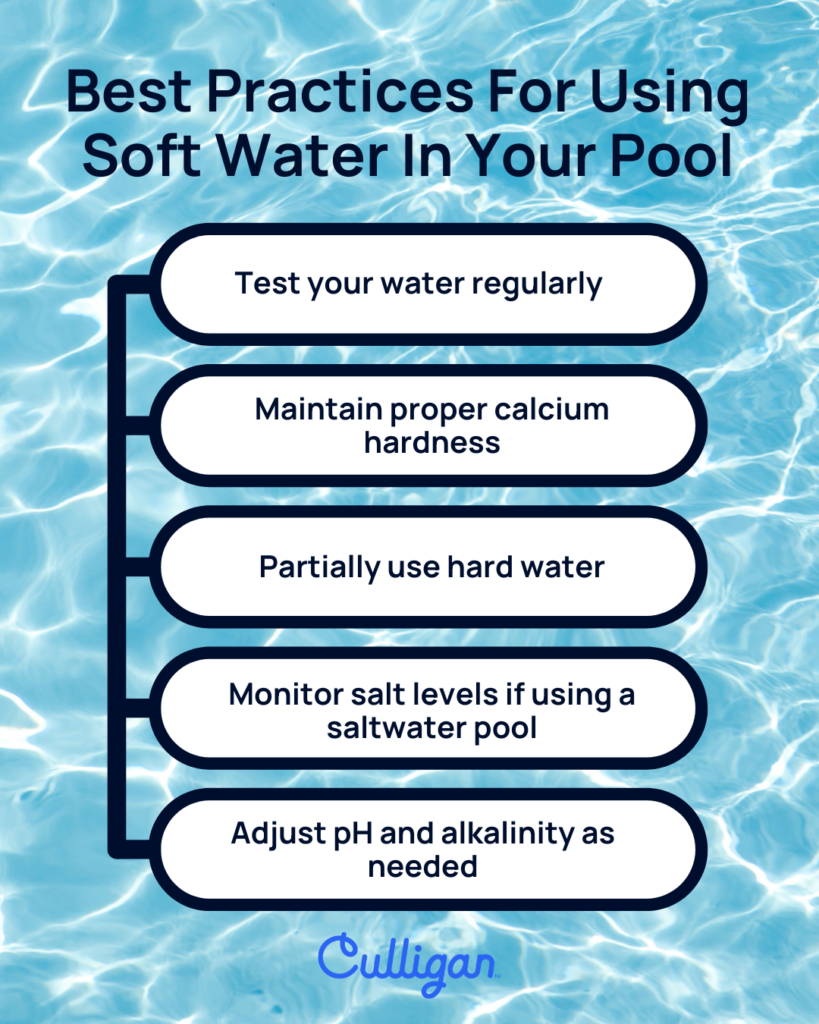
Credit: culliganventura.com
Frequently Asked Questions
What Is Hard Water And How Does It Affect Pool Filling?
Hard water has high minerals like calcium and magnesium that can cause cloudy water and scale buildup in pools.
Can Hard Water Damage My Pool Equipment?
Yes, minerals in hard water can clog filters, damage pumps, and reduce equipment lifespan.
How Do I Test If My Pool Water Is Hard?
Use a water hardness test kit or take a water sample to a local pool store for testing.
What Are The Best Ways To Treat Hard Water In Pools?
Use water softeners, add chemicals like sequestering agents, or dilute hard water with soft water.
Is It Safe To Swim In A Pool Filled With Hard Water?
Swimming is generally safe, but hard water may cause skin dryness or irritation for some people.
How Often Should I Check And Balance Hard Water In My Pool?
Test water hardness monthly and adjust treatment to keep mineral levels balanced and avoid damage.
Conclusion
Hard water can cause issues in your pool over time. It may leave spots and make cleaning harder. Using water softeners or treatments helps keep water clear. Test your water regularly to spot problems early. Taking care of hard water protects your pool and equipment.
Clean water means a better swimming experience. Stay consistent with maintenance to avoid damage. Enjoy your pool without worrying about hard water effects. Simple steps can make a big difference.