
Ever wondered about the magic behind your toilet flush? It’s not just a simple push of a button or a lever.
The way your toilet clears waste is actually quite sophisticated, and there are several different systems at play. You might be surprised to learn just how many variations exist, each with its own unique way of getting the job done efficiently.
If you’re curious about what’s happening inside your bathroom or perhaps considering an upgrade, understanding these different flush systems can be incredibly helpful. Let’s dive in and discover the fascinating world of toilet flushing!
Gravity Flush Toilets
Gravity flush toilets are the most common type. You see them everywhere. They are simple and reliable. Most homes use them. They have been around for a long time. They are a classic choice.
How They Work
Water fills the tank. A lever lifts a flapper. This opens a hole. Water rushes into the bowl. It pushes waste down. The tank refills. It is a simple process. Gravity does all the work. That is why they are called that. It is quite straightforward.
Pros And Cons
Gravity flush toilets are affordable. They are easy to fix. Parts are readily available. They use less water. This saves money on bills. They are quiet when flushing. They are very dependable. They do not need electricity. They are a good basic option.
They can sometimes clog. They may need more force. Some older models use more water. They might not clear solids well. This happens sometimes. They are not as powerful. This is a drawback for some.
Pressure-assisted Toilets
Pressure-assisted toilets offer a powerful flush. They use stored air pressure. This system is quite robust. It tackles tough clogs effectively. Many homes choose this option.
Mechanism Explained
A sealed tank holds water. Air also fills this tank. A special valve opens. Air pressure forces water out. This creates a strong flush. The water moves very fast. It clears the bowl completely.
Advantages And Disadvantages
These toilets flush powerfully. Clogs are less common. They use less water per flush. This saves water resources. They are also quieter. The flush is quick and efficient. However, they can be expensive. Repairs might cost more money. Installation can be more complex too.
Dual-flush Toilets
Dual-flush toilets are a smart choice. They offer flexibility for flushing. You get two options for waste disposal. This system helps conserve water. It’s a popular upgrade for modern bathrooms.
The Two-button System
These toilets have two buttons. They sit on top of the tank lid. One button is smaller. It uses less water. This is for liquid waste. The other button is larger. It uses more water. This is for solid waste.
Water Savings Potential
Dual-flush toilets save water. You choose the right flush. Less water means lower bills. Many households see big savings. It is good for the environment. Every flush counts.
:max_bytes(150000):strip_icc()/different-types-of-toilet-fill-valves-4094288-hero-36904464b8984347843e4311c6a26769.jpg)
Credit: www.thespruce.com
Siphon Jet Toilets
Siphon jet toilets use a jet of water. This jet powerfully clears the bowl. They offer strong flushing power.
Siphon jet toilets are a powerful flushing option. They use a special hole for strong water flow. This system clears waste effectively. It is a common choice for many homes.The Jet’s Role
A small hole sits at the bottom. This hole is the siphon jet. It shoots water with great force. This action starts the siphoning process. It pulls waste down the drain.Performance Characteristics
Siphon jet toilets flush very well. They handle large amounts of waste. Clogs are less common with them. The flush is usually loud. This is a sign of its power. They use more water than some types. This can be a drawback. But their cleaning power is excellent.Low-flow Toilets
Low-flow toilets are a smart choice. They use less water with each flush. This saves money and helps the planet. Many homes now have them.
Water Conservation Focus
Saving water is important. Low-flow toilets do just that. They significantly reduce water usage. Every flush counts. You help the environment. Your water bill goes down. It’s a win-win situation.
Evolution And Efficiency
Toilets have changed a lot. Old toilets used much more water. Modern low-flow designs are better. They use smart technology. Water is still powerful enough. Flushing is effective. Efficiency is key. They work very well.
Credit: www.simpolo.com
Smart Toilets
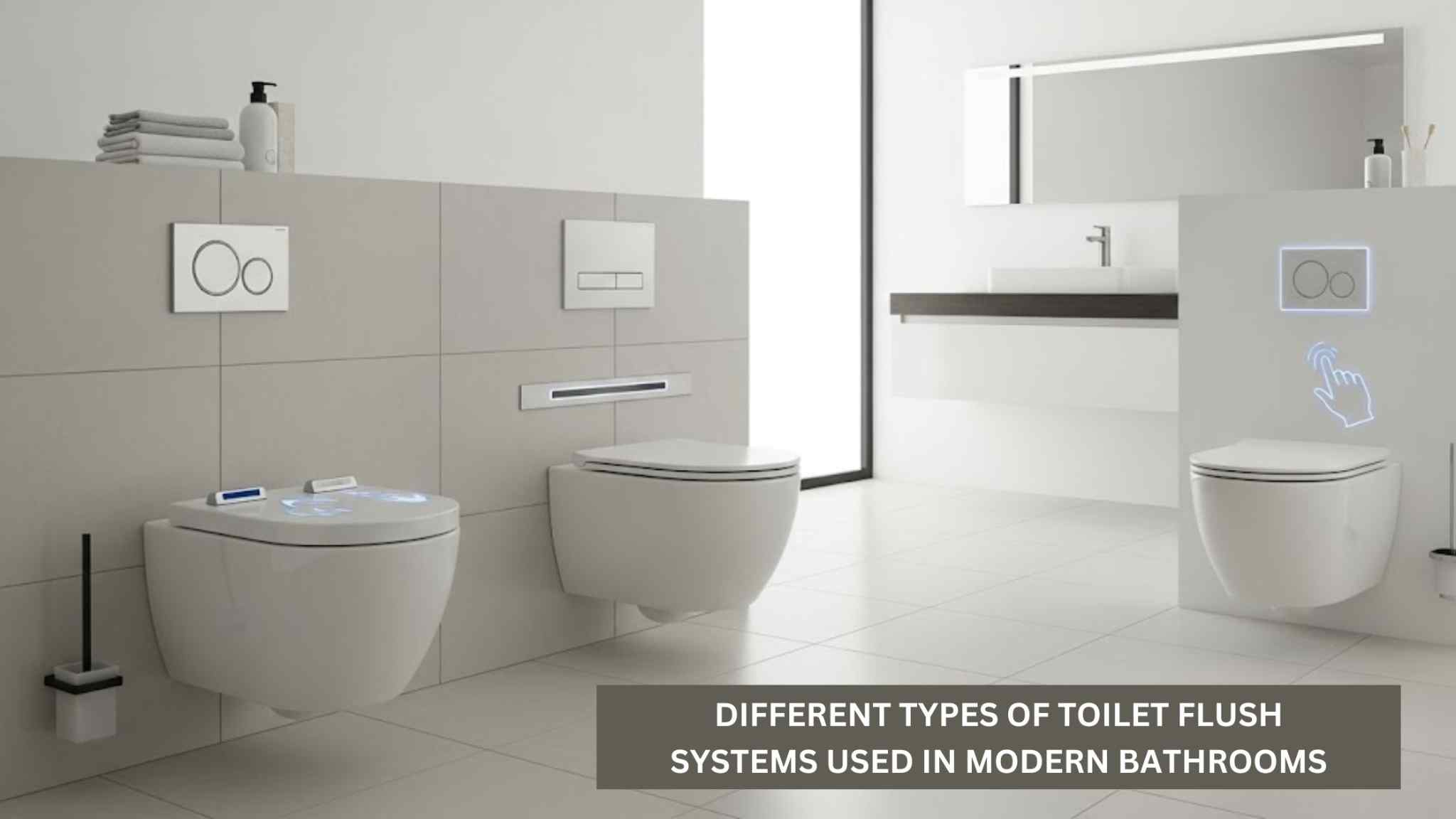
Smart toilets are the future. They offer more than just flushing. These toilets bring technology to your bathroom. They provide a better experience. Smart toilets make life easier. They are a luxury upgrade.
Advanced Features
Smart toilets have many functions. They often include a bidet. This offers a cleansing wash. Some models have heated seats. Enjoy warmth in winter. Air dryers are common too. They dry you gently. Automatic lid opening is a feature. No need to touch anything. Night lights illuminate the bowl. Find your way easily.
Integration And Convenience
These toilets connect to your home. Use your smartphone. Control settings remotely. Some sync with voice assistants. Just speak your command. Personalize your experience. Save your preferences. They offer ultimate convenience. No more manual adjustments. Smart toilets simplify tasks. They are very user-friendly.
Choosing Your Flush System
Selecting a flush system matters. Consider gravity, pressure-assist, or dual-flush options. Each offers different water efficiency and flushing power.
Choosing your flush system matters. It impacts your home. It affects your water bills. Consider these points carefully.Water Usage Needs
Do you want to save water? High-efficiency toilets use less. They are eco-friendly. They lower your water costs. Older toilets waste water. Think about your water needs. Choose a system that fits.Performance Requirements
Do you need strong flushing power? Some systems clear waste better. Dual-flush toilets offer options. They use less water for liquids. They use more for solids. This balances performance and savings. Check reviews for power.Budget Considerations
Toilets vary in price. Basic models are cheaper. High-tech options cost more. Consider installation costs too. Some systems need special plumbing. Factor in long-term savings. Water bills can decrease.Installation Factors
Installation can be complex. Some toilets are easy to install. Others need professional help. Check your existing plumbing. Some systems require specific connections. A simple gravity flush is common. Pressure-assisted models are different.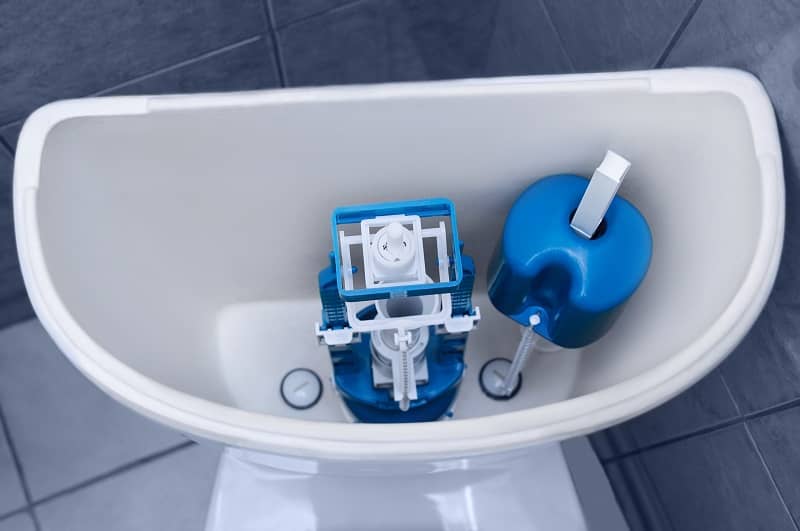
Credit: portlandloo.com
Frequently Asked Questions
What Are The Main Toilet Flush Types?
Toilets use gravity, pressure, or a dual system. Gravity toilets are most common. Pressure-assisted ones are powerful. Dual-flush offers water savings.
How Does A Gravity Flush Toilet Work?
Water fills the tank. Lifting the handle opens a flapper. This lets water rush down. It pushes waste into the drain.
What Is A Pressure-assisted Flush System?
This system uses air pressure. It builds pressure in a sealed tank. Releasing it creates a strong flush. This clears clogs easily.
Are Dual-flush Toilets Water-efficient?
Yes, they are very efficient. They have two buttons. One uses less water for liquids. The other uses more for solids.
What’s Better, Gravity Or Pressure Flush?
Gravity flush is simple and quiet. Pressure-assisted flushes are stronger. They are good for tough clogs. Choose based on your needs.
How Do Dual-flush Toilets Save Water?
They offer different flush volumes. A partial flush for liquids saves water. A full flush handles solid waste. This reduces overall water use.
Can I Convert My Toilet To Dual-flush?
Yes, conversion kits are available. They let you update your existing toilet. It’s a good way to save water.
Conclusion
Choosing the right flush system matters. Consider your needs. Gravity flush is common. Pressure-assisted offers power. Dual-flush saves water. Siphon jet provides strong cleaning. Find the best fit for your bathroom. Upgrade your toilet today. Enjoy a better flush.