
Are you looking to add a sturdy pool handrail to your paver deck but unsure where to start? Installing a pool handrail in pavers might seem tricky, but with the right steps, you can do it yourself and boost both safety and style around your pool.
In this guide, you’ll discover simple, clear instructions that make the whole process easy to follow. By the end, you’ll have the confidence to install your handrail securely and enjoy peace of mind every time you step in and out of your pool.
Keep reading to find out how to make your pool area safer and more inviting with a handrail you installed yourself.
Choosing The Right Handrail
Choosing the right handrail for your pool pavers is important. It affects safety, style, and how well the handrail fits. The right handrail makes entering and exiting the pool easier. It also adds a nice look to your pool area. Consider materials, size, and safety rules before buying.
Materials And Styles
Handrails come in different materials like stainless steel, aluminum, and brass. Stainless steel is strong and resists rust. Aluminum is light and easy to install. Brass offers a classic look but needs more care. Styles vary from simple curves to modern shapes. Pick a style that matches your pool and backyard design.
Measuring For Fit
Measure the area carefully where you will install the handrail. Check the height and width to ensure a good fit. The handrail should not block walking space or pool entry. Measure twice to avoid mistakes. Proper fit helps keep the handrail stable and safe.
Safety Standards
Follow local safety rules for pool handrails. These rules often set height and strength requirements. The handrail must support weight and not have sharp edges. Proper installation helps prevent slips and falls. Check for standards before buying and installing the handrail.
Preparing The Paver Area
Preparing the paver area is a key step before installing your pool handrail. A clean, level, and well-marked surface ensures a safe and secure fit. This preparation helps the handrail last longer and stay stable during use.
Selecting The Installation Spot
Choose a spot near the pool edge where the handrail will be most helpful. The area must have solid pavers without cracks or loose stones. Avoid spots with uneven ground or heavy foot traffic to prevent accidents.
Cleaning And Leveling
Remove dirt, leaves, and debris from the selected area. Use a broom or blower to clear the surface completely. Check if the pavers are level. Use a spirit level to find any uneven spots. Fix low or high areas by adjusting the pavers or adding sand.
Marking Drill Points
Place the handrail base on the cleaned area. Use a pencil or marker to mark drill holes on the pavers. Double-check the marks to ensure proper alignment. Accurate marking prevents mistakes during drilling and installation.
Drilling Into Pavers
Drilling into pavers is a key step when installing a pool handrail. It requires care and the right tools to avoid cracking the paver stones. The process ensures a secure hold for the handrail’s base. Proper drilling improves safety and extends the handrail’s life.
Choosing The Right Drill Bit
Select a masonry drill bit for pavers. These bits have a strong tip made for hard surfaces. Pick a size that matches the handrail anchors. Using the correct drill bit prevents damage and makes drilling easier.
Drilling Techniques
Start with a slow drill speed to make a small guide hole. Then increase speed gradually. Keep the drill steady and straight. Do not push too hard. Let the drill bit do the work to avoid cracks.
Preventing Paver Damage
Use masking tape over the drilling spot to reduce slipping. Water the paver before and during drilling to cool the bit and stone. Avoid drilling too close to the edges. Check depth often to prevent going too deep.

Credit: www.reddit.com
Installing The Handrail Anchors
Installing the handrail anchors is a key step in securing your pool handrail to pavers. These anchors hold the handrail firmly in place, ensuring safety and stability. Proper installation prevents wobbling and accidents around the pool area.
Choosing the right anchors and securing them correctly guarantees long-lasting support. This section explains different types of anchors, how to fix them properly, and how to test their stability.
Types Of Anchors
Several anchor types fit pool handrails in pavers. Sleeve anchors are common for concrete or stone. Expansion anchors work by expanding inside drilled holes. Drop-in anchors fit flush with the surface and hold bolts tightly. Choose anchors that match your paver material and handrail design.
Securing Anchors Properly
Start by marking anchor positions on the pavers. Drill holes using the correct bit size. Clean out dust from each hole for a strong grip. Insert anchors firmly into holes. Tighten bolts or screws to secure anchors fully. Avoid over-tightening to prevent damage to pavers.
Testing Anchor Stability
After installation, test each anchor’s hold. Push and pull the handrail gently to check for movement. Firm anchors show no wobble or shift. If any looseness appears, tighten or reinstall the anchor. Stable anchors ensure your pool handrail stays safe and steady.
Attaching The Handrail
Attaching the handrail securely is key for safety and durability. This step requires care and precision to ensure the handrail fits perfectly and stays stable. Follow simple guidelines to install the handrail on pavers correctly.
Aligning The Handrail
Start by placing the handrail over the marked spots on the pavers. Check the angle and height to match your pool steps. Use a level tool to make sure it is straight. Proper alignment helps prevent wobbling and makes the handrail safe to use.
Fastening Methods
Choose the right fasteners for your pavers and handrail type. Drill holes carefully into the pavers at the marked points. Use stainless steel anchors or bolts to secure the handrail firmly. Tighten all fasteners evenly to avoid uneven pressure on the pavers.
Checking For Stability
After fastening, test the handrail by applying light pressure. Make sure it does not move or shake. Check all fasteners again and tighten if needed. A stable handrail ensures safe entry and exit from the pool every time.

Credit: www.youtube.com
Finishing Touches
Finishing touches are key to securing your pool handrail safely and neatly. These final steps protect your installation and keep the surrounding area clean. Proper finishing ensures your handrail lasts longer and stays stable.
Sealing Around Anchors
Seal around the handrail anchors with waterproof sealant. This stops water from entering gaps and causing damage. Use a sealant that works with both metal and pavers. Apply it carefully to cover all edges without overflow. Smooth the sealant for a clean, professional look.
Cleaning Installation Area
Clear away dust, debris, and leftover materials from installation. Use a soft brush or cloth to clean the pavers around the handrail. Avoid harsh chemicals that might harm the paver surface. A clean area improves the overall appearance and safety near the pool.
Maintenance Tips
Check the handrail regularly for loose bolts or rust. Tighten any loose parts to keep the handrail steady. Clean the rail with mild soap and water to prevent buildup. Inspect the sealant for cracks and reseal if needed. Routine care extends the life of your handrail.
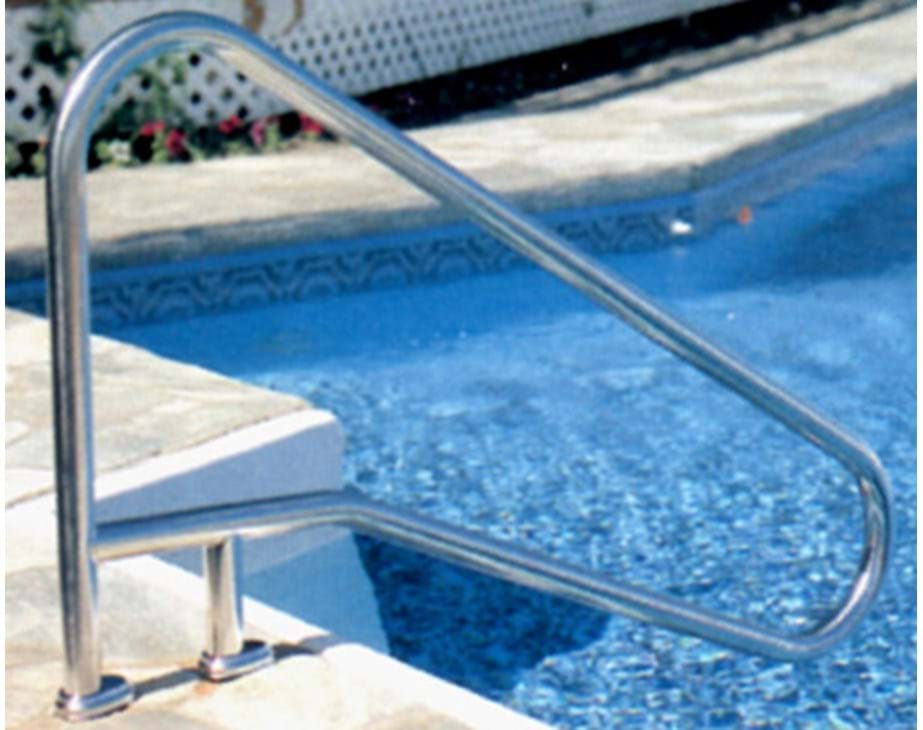
Credit: www.troublefreepool.com
Frequently Asked Questions
How Do I Prepare Pavers For Pool Handrail Installation?
Clean the area and mark the handrail spots. Ensure pavers are level and stable.
What Tools Are Needed For Installing A Pool Handrail In Pavers?
You need a drill, anchors, screws, measuring tape, level, and safety gear.
How Deep Should I Drill Holes In Pavers For Handrails?
Drill at least 3 to 4 inches deep to secure anchors firmly.
Can I Install A Pool Handrail Without Damaging Pavers?
Yes, by using proper anchors and drilling carefully to avoid cracks.
How Long Does It Take To Install A Pool Handrail In Pavers?
It usually takes about 1 to 2 hours depending on experience.
Is It Safe To Install A Pool Handrail On Pavers Myself?
Yes, with proper tools and steps, it can be done safely and securely.
Conclusion
Installing a pool handrail in pavers adds safety and style to your pool area. Follow the steps carefully to ensure a strong hold. Use the right tools and materials for a smooth process. Take your time to measure and drill precisely.
A well-installed handrail helps prevent slips and falls. Enjoy your safer pool space with confidence. Regular checks keep the handrail secure and lasting. Simple effort brings great results.