
You’ve probably seen them. Those faint, spiderweb-like lines that appear on your walls.
Maybe they’re in the corner of a room, or near a window. Your first thought might be, “Is this normal, or is something seriously wrong with my house? ” It’s a common concern, and you’re not alone in wondering if hairline cracks are a sign of big trouble.
We’ll break down what causes these cracks, whether they’re a cause for alarm, and what you can do about them. Let’s find out if those little lines on your wall are just a cosmetic quirk or a red flag you shouldn’t ignore.
The Tiny Lines
You see them. Tiny lines. They appear on your walls. Are they a problem? Let’s find out. These small cracks worry homeowners. They look alarming. But often, they are quite normal.
What Are Hairline Cracks?
Hairline cracks are very thin. They look like a hair. The lines are shallow. They go through paint. Sometimes they reach plaster. They are usually not deep. They do not show structural issues.
Common Causes Of Hairline Cracks
Houses settle over time. This is normal. Wood expands and contracts. Temperature changes cause this. Humidity also plays a role. Vibrations can cause them. Nearby traffic causes vibrations. Construction work nearby does too. Paint layers can crack. Old paint can become brittle. New paint might not bond well. These are common reasons. They are usually minor issues.
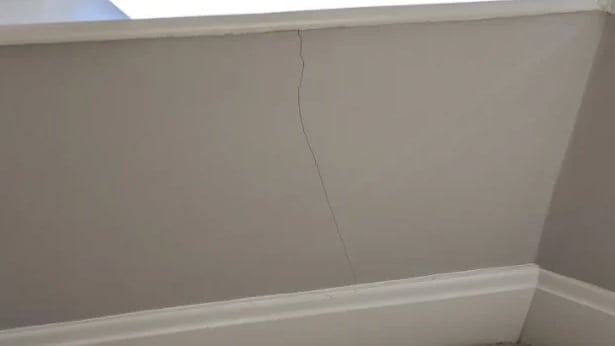
Credit: www.geobear.com
Settling Sounds
Settling sounds are common. Your house makes noises. These sounds can be unsettling. They often relate to hairline cracks. Let’s explore these noises.
New Home Settling
New homes settle. This is normal. Materials shift over time. Wood expands and contracts. Drywall can flex slightly. These movements cause sounds. You might hear creaks. Popping sounds are possible. These are usually harmless.
Seasonal Changes
Seasons affect your home. Temperature changes matter. Humidity levels fluctuate. These changes cause expansion. They also cause contraction. Materials react to the weather. This can create new sounds. You might hear groans. Cracks can appear then. These are often temporary.
Material Matters
Hairline cracks in walls can appear. Most are just cosmetic. They often result from normal settling.
The materials used in your home’s walls play a big role. They affect how walls settle. They also influence how cracks appear. Understanding these materials helps a lot. It tells you if cracks are normal.Plaster Vs. Drywall
Plaster walls are older. They often use wood lath underneath. Plaster can expand and contract. This movement causes hairline cracks. Drywall is newer. It uses gypsum board. Drywall is more flexible. It can also crack. The type of material matters. It dictates crack behavior.Paint And Finish Effects
Paint hides small imperfections. It can cover hairline cracks. Sometimes, paint emphasizes cracks. Thick paint layers can show movement. Glossy finishes highlight flaws. Matte finishes can conceal them. The paint job itself can crack. This is often a cosmetic issue. It is not usually structural.
Credit: abdrylining.com
When To Raise An Eyebrow
Most hairline cracks are harmless. They often result from normal house settling. But some cracks signal bigger problems. These need your attention. You should worry when cracks change. Watch for specific signs. These signs tell you it’s time to worry.
Cracks That Widen
A crack is widening. It grows larger over time. This means movement is happening. The foundation might be shifting. Or the wall structure is under stress. You must investigate this. Small changes can become big issues. Keep an eye on the crack’s size.
Cracks That Are Deep Or Jagged
Some cracks are not fine lines. They are deep. They have rough, jagged edges. This suggests a serious structural problem. The wall might be breaking apart. It could be due to water damage. Or maybe foundation issues are at play. These cracks demand immediate inspection.
Cracks Near Doors And Windows
Cracks around openings are common. Doors and windows are weak points. But significant cracks here are concerning. They can mean the frame is warping. The wall might be settling unevenly. This can affect how doors and windows work. It can lead to drafts. It can make them hard to open. Or close properly. This needs professional assessment.
Multiple Cracks Appearing
One small crack is fine. Many cracks appearing is not. Do you see several new cracks? Are they spreading across the wall? This indicates a widespread issue. The entire structure might be stressed. It could be a sign of foundation failure. Or significant water damage. Multiple cracks need an expert’s opinion.
The Worrying Signs
Some wall cracks signal trouble. These are not hairline cracks. They demand your attention. Don’t ignore these warning signs.
Structural Integrity Concerns
Cracks can show deep problems. They might affect your home’s strength. Look for cracks that are wide. Are they jagged or diagonal? These cracks often run through doors. They can also cross windows. These signs suggest big issues. Your home might be settling unevenly.
Moisture And Water Damage Indicators
Water causes many wall problems. Cracks can let water seep in. Look for discoloration near cracks. Are there dark spots? Is the paint peeling? Do you see mold or mildew? These mean water is present. It can weaken your walls. Fix water leaks promptly.
Foundation Issues
Your home rests on its foundation. Foundation problems cause wall cracks. Cracks may appear near the floor. They can also show up near the ceiling. Are the cracks wider at one end? This points to foundation movement. A shifting foundation is serious. It needs professional assessment.

Credit: buckeyebasementsolutions.com
Fixing The Fissures
Seeing cracks in your walls can be worrying. But don’t panic. Many hairline cracks are minor. Fixing them is often straightforward. This section guides you through repairs. We’ll cover DIY fixes and when to get expert help.
Diy Hairline Crack Repair
Small cracks are manageable. You can fix them yourself. Gather your supplies first. You will need spackling paste. A putty knife is essential. Sandpaper helps smooth the area. Clean the crack thoroughly. Remove any loose paint or debris. Apply the spackling paste. Use the putty knife. Press the paste into the crack. Smooth it flat with the wall. Let it dry completely. This usually takes a few hours. Sand the patched area gently. Make it smooth and even. You might need a second coat. Apply it if the crack shows. Let the second coat dry. Sand again for a perfect finish. Prime the repaired spot. Then, paint to match your wall. This hides the repair well.
When To Call A Professional
Some cracks need experts. Large cracks are a concern. Cracks wider than an eighth inch. Cracks that go through the wall. Cracks that form a stair pattern. These might signal bigger issues. Foundation problems can cause them. Water damage can also be a cause. If you see many cracks. Or if cracks are growing fast. It is time for a pro. A structural engineer can assess. They check for serious damage. They recommend the right fix. Do not ignore warning signs. Professional help ensures safety.
Preventative Measures
Preventing cracks is best. Control humidity in your home. Use exhaust fans in bathrooms. Fix leaky pipes quickly. Settle your house properly. New homes can shift slightly. This causes minor cracks. Ensure good drainage outside. Keep water away from the foundation. Check for settling issues regularly. Address them early. Proper maintenance helps walls. It keeps them strong and sound.
Frequently Asked Questions
Are Hairline Cracks In Walls Normal?
Hairline cracks can be normal. They often appear due to building settling. These small cracks are usually not a concern.
When Should I Worry About Wall Cracks?
Worry if cracks are wide or deep. Look for jagged patterns or stair-step cracks. These might signal bigger issues.
What Causes Hairline Cracks In New Homes?
New homes settle as they dry out. This movement can cause small cracks. It’s a common occurrence.
Can Temperature Changes Crack Walls?
Yes, temperature swings can cause cracks. Materials expand and contract with heat. This can lead to minor fractures.
How Do I Fix Hairline Wall Cracks?
Clean the crack first. Then, fill it with spackling paste. Smooth it flat and let it dry. Sand and paint for a clean finish.
Are Hairline Cracks A Sign Of Foundation Problems?
Usually not. Hairline cracks are superficial. Deep or wide cracks could point to foundation issues.
Should I Call A Professional For Wall Cracks?
Call a pro for large, growing cracks. They can check for serious structural damage. Minor cracks are often DIY fixes.
Conclusion
Hairline cracks are common. Most are harmless. They often show normal settling. Keep an eye on them. Watch for changes. Cracks that grow wider need attention. Larger cracks can signal problems. Consult a professional if worried. They can assess your wall’s health.
Peace of mind is important. Your home is your sanctuary.