
Are you tired of seeing rusty stains or cloudy water in your pool? You might have heard about Iron Out as a quick fix for removing iron stains, but is it really safe and effective to use in your pool?
Before you pour any chemicals into your water, it’s important to know how Iron Out works and whether it’s the right choice for your pool care routine. Keep reading to find out everything you need to know about using Iron Out in a pool—and how to keep your water sparkling clean without risking damage.
What Is Iron Out
Iron Out is a popular product for removing rust and stains. Many pool owners wonder if it works well in pools. Understanding what Iron Out is can help answer this question clearly. This section explains the basics of Iron Out and its uses.
Chemical Composition
Iron Out contains sodium hydrosulfite. This chemical breaks down rust and iron stains. It works by converting iron into a form that water can carry away. The formula also includes other cleaning agents. These help boost the stain removal process quickly.
Common Uses
Iron Out is mostly used to clean rust stains on hard surfaces. People use it for concrete, driveways, and bathroom fixtures. It also removes iron buildup in water heaters and pipes. Some use it for pools to treat iron stains in water or surfaces. The product targets rust and iron deposits efficiently.
Iron Issues In Pools
Iron in pool water causes many problems. It can make your pool look dirty and affect water quality. Understanding iron issues helps you keep the pool clean and safe. Here are key points about iron in pools.
Sources Of Iron
Iron can enter your pool from several places. Groundwater often contains iron that seeps into the pool. Old pipes may also release rust and iron particles. Some pool chemicals might add iron if they are contaminated. Leaves and dirt carry iron into the water. Knowing these sources helps prevent iron buildup.
Effects On Water Quality
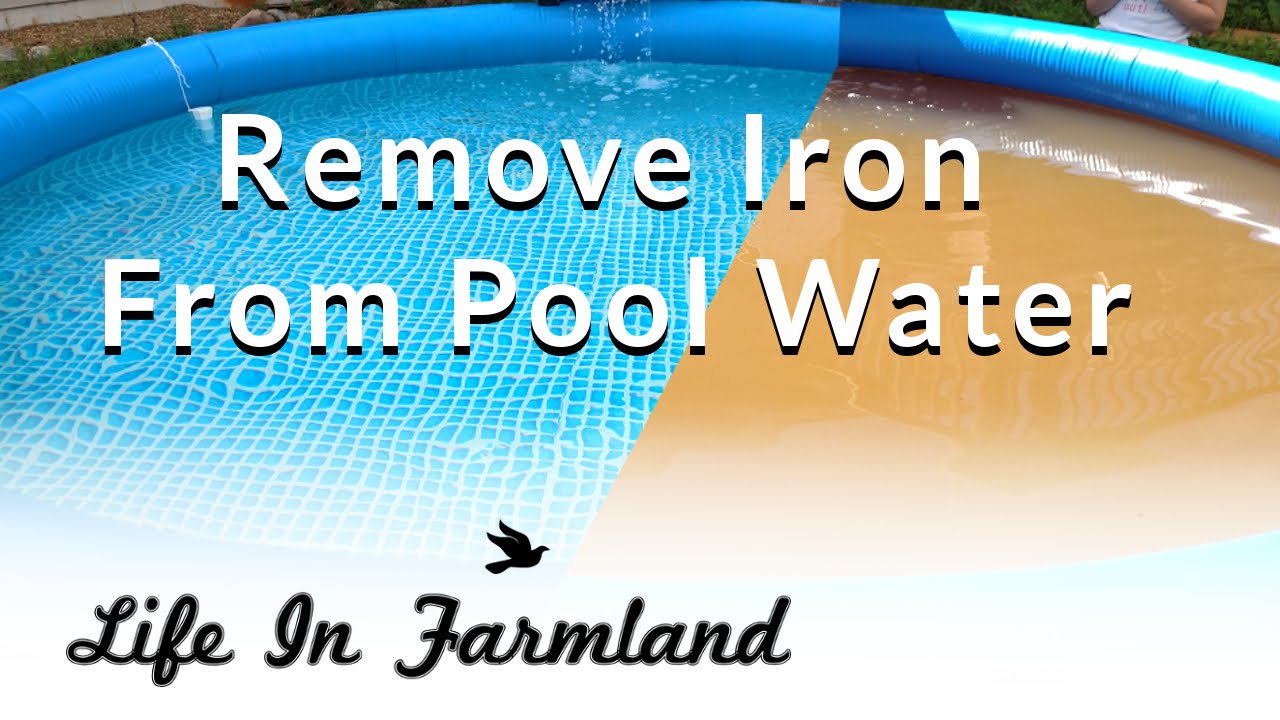
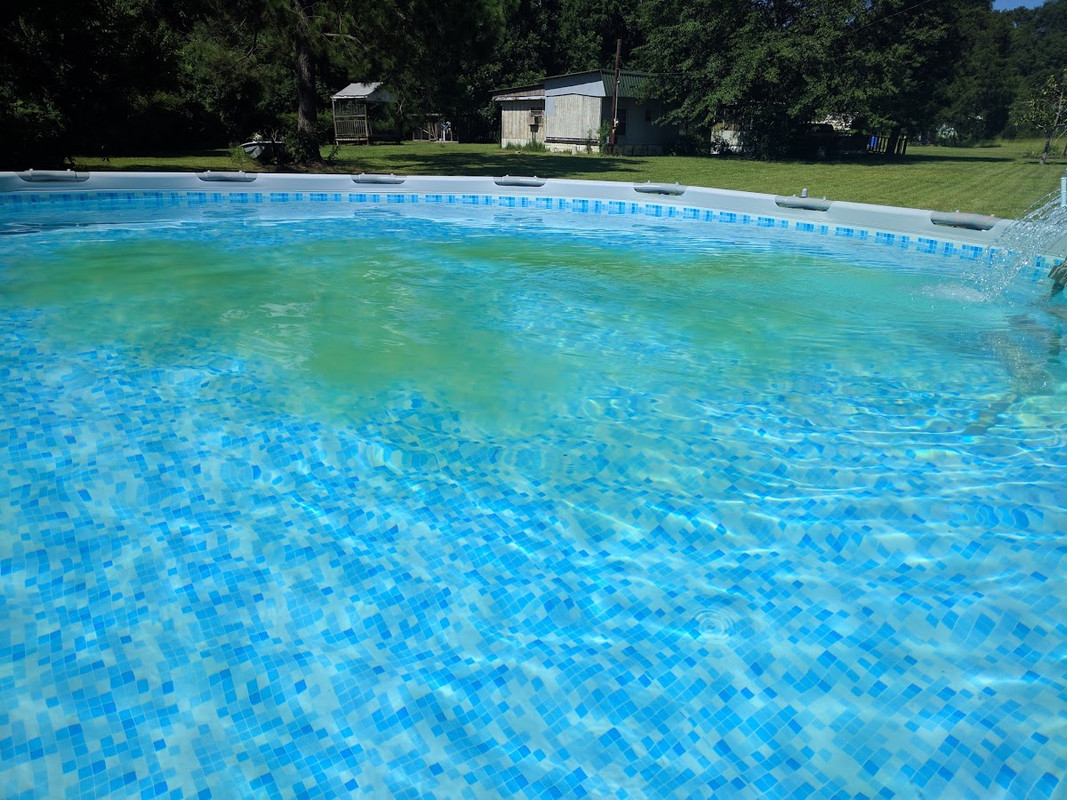
Iron changes the color of pool water, turning it brown or green. It can stain pool surfaces, making cleaning hard. Iron reacts with chlorine, reducing its ability to kill germs. This lowers water safety and clarity. Swimmers might notice a metallic taste or smell. Iron problems reduce pool enjoyment and require quick action.
Is Iron Out Safe For Pools
Iron Out is a popular product for removing rust stains. Many pool owners ask if it is safe to use in pools. This section explains the safety of Iron Out in pools. Understanding safety helps protect your pool and swimmers.
Manufacturer Recommendations
Iron Out manufacturers usually do not list pools as a safe use area. The product is designed for hard surfaces like concrete and metal. Using it in pools may void warranties or cause damage. Always read the product label before use. Follow any specific instructions or warnings given by the manufacturer.
Potential Risks
Iron Out contains strong chemicals that can affect pool water balance. It may harm pool liners, filters, or pumps. Swimmers may experience skin or eye irritation after contact. The product can change the water’s pH and chlorine levels. This may cause cloudy water or algae growth. Using Iron Out in a pool requires caution and proper water testing.
Credit: www.youtube.com
How To Use Iron Out In Pools
Using Iron Out in pools can help remove iron stains and clear water discoloration. It is important to follow the right steps to get good results. This guide explains how to prepare, apply, and measure Iron Out safely and effectively.
Preparation Steps
First, test your pool water for iron levels and pH balance. Adjust the pH to between 7.2 and 7.6 for best results. Remove any debris or dirt from the pool. Run the pool pump to keep water moving. Wear gloves and eye protection before handling Iron Out.
Application Process
Pour Iron Out directly into the pool water. Distribute it evenly around the pool edges. Keep the pump running for at least 24 hours. Do not swim during this time. Avoid adding other chemicals until the treatment finishes. Check the water color and clarity regularly.
Dosage Guidelines
Use 1 cup of Iron Out per 10,000 gallons of pool water for light stains. For heavy stains, increase to 2 cups per 10,000 gallons. Do not overdose; too much can harm pool equipment. Always follow the label instructions carefully. Repeat treatment only if needed after testing water again.
Alternative Methods To Remove Iron
Iron in pool water can cause stains and affect water clarity. Removing it is important for a clean, safe pool. Several methods work well to reduce or eliminate iron without using harsh chemicals. These alternatives help keep the pool water clear and healthy.
Chemical Treatments
Chemical treatments use substances that react with iron to remove it. One common chemical is a sequestrant. It binds to iron and stops it from causing stains. Another option is using oxidizers like chlorine or hydrogen peroxide. These turn dissolved iron into solid particles that can be filtered out. Chemicals must be used carefully, following instructions for safety and best results.
Filtration Techniques
Filtration is a physical way to remove iron from pool water. Sand filters can catch iron particles after oxidation. Special filters, like greensand or catalytic carbon, target iron and manganese. These filters trap iron and clean the water effectively. Regular maintenance and backwashing keep filters working well. Filtration works well combined with chemical oxidation for best iron removal.

Credit: www.reddit.com
Preventing Iron Build-up
Preventing iron build-up in your pool helps keep the water clear and safe. Iron can cause staining and cloudy water, which looks bad and can harm pool equipment. Regular care stops iron from settling and keeps your pool inviting all season long.
Water Source Testing
Test your water source before filling the pool. Some water contains high iron levels naturally. Use a test kit to check iron content easily. Knowing this helps you treat water early. This avoids iron problems later in your pool.
Regular Maintenance Tips
Clean your pool filters and pump often. Remove debris and dirt that trap iron particles. Brush pool walls and floors weekly. This stops iron from sticking and staining. Use a metal sequestrant to keep iron dissolved. Maintain balanced pH and chlorine levels. These steps reduce iron build-up risks effectively.
Expert Tips For Pool Care
Taking care of a pool needs regular attention. Expert tips help keep water clean and safe. Proper pool care extends the life of your pool. It also makes swimming more enjoyable. Follow simple steps to maintain a healthy pool environment.
Balancing Pool Chemistry
Pool water must have balanced chemicals. Check pH levels often. Ideal pH is between 7.2 and 7.6. Keep chlorine levels steady to kill germs. Use test strips to measure chemicals. Adjust levels with pool treatments as needed. Balanced water prevents algae and stains. It also protects pool equipment from damage.
Monitoring Water Clarity
Clear water shows a healthy pool. Cloudy or murky water signals problems. Skim the surface daily to remove debris. Clean filters regularly to keep flow steady. Use a pool vacuum to clean the bottom. Test water clarity after rain or heavy use. Clear water invites swimmers and boosts safety.
Credit: www.troublefreepool.com
Frequently Asked Questions
Can Iron Out Be Safely Used In A Swimming Pool?
Iron Out is not recommended for pools as it may harm pool liners and water balance.
What Does Iron Out Remove From Pool Water?
Iron Out removes iron stains and rust from surfaces, but it is not designed for pool water treatment.
How Does Iron Out Affect Pool Water Chemistry?
Iron Out can disrupt pool pH and chlorine levels, making water care more difficult.
Are There Better Alternatives To Iron Out For Pools?
Yes, pool-specific stain removers are safer and more effective for treating iron in pools.
Can Iron Out Damage Pool Equipment Or Surfaces?
Iron Out may cause corrosion or discoloration on pool equipment and liners.
How To Treat Iron Stains In Pools Without Iron Out?
Use a pool stain remover made for iron, balance water chemistry, and run the filter.
Conclusion
Iron Out is not made for pool water treatment. It can harm pool surfaces and equipment. Use products designed for pools to remove iron safely. Test your water regularly to keep it balanced. Proper care helps maintain clear and clean pool water.
Avoid risks by choosing the right chemicals. Protect your pool and enjoy swimming without worry. Always follow guidelines for safe pool maintenance. Simple steps keep your pool inviting all season.