
Have you noticed your salt water pool smells like chlorine? You might be surprised because salt water pools are supposed to be gentler and fresher.
That strong chlorine smell can feel confusing and even worrying. But don’t worry—understanding why this happens can help you enjoy your pool without that harsh odor. Keep reading to find out what causes the smell and how you can fix it, so your pool feels just right every time you take a swim.

Credit: oasistile.com
Why Salt Water Pools Smell Like Chlorine
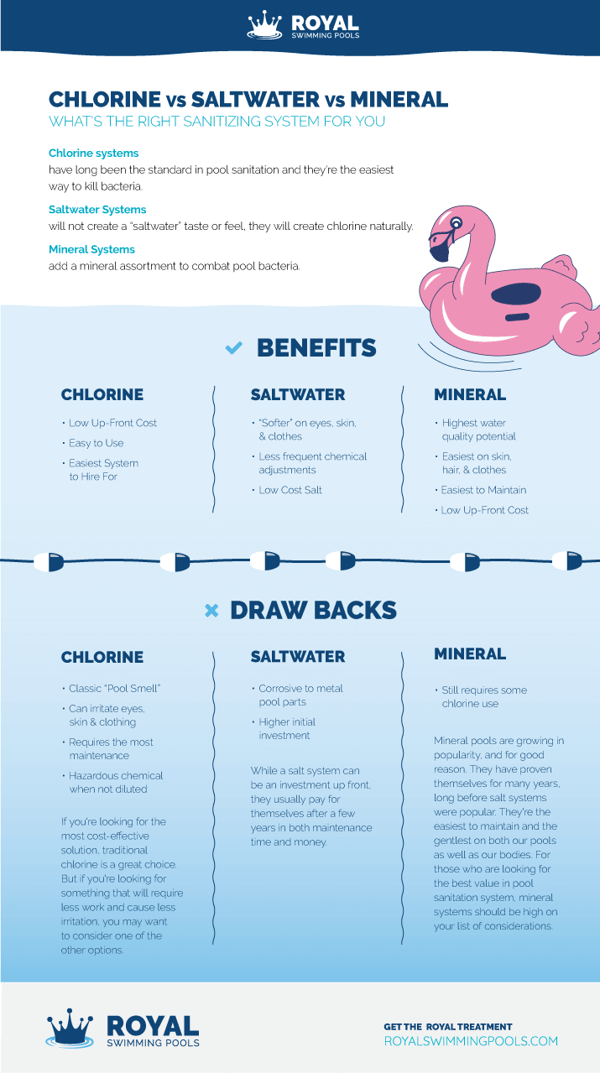
Salt water pools often smell like chlorine, which surprises many pool owners. This happens because salt water pools still use chlorine to keep water clean. The difference lies in how chlorine is made and managed in these pools. Understanding why this smell occurs can help you maintain your pool better.
Chlorine Production In Salt Water Pools
Salt water pools create chlorine through a process called electrolysis. Salt in the water passes through a special cell that changes it into chlorine gas. This gas dissolves in the water and cleans it by killing bacteria and algae. The chlorine produced is the same as in regular pools, which causes the familiar smell.
Common Causes Of Strong Chlorine Smell
A strong chlorine smell often means too much chlorine is in the water. This can happen if the salt cell produces too much chlorine or if extra chlorine is added by mistake. Another cause is the presence of chloramines, which form when chlorine mixes with sweat, urine, or dirt. Chloramines create a stronger, more unpleasant smell than pure chlorine.
Impact Of Pool Chemistry Imbalance
Pool chemistry affects how chlorine works and smells. If the pH level is too low or too high, chlorine becomes less effective. This leads to more chloramines and a stronger chlorine odor. Maintaining balanced water chemistry helps reduce the smell and keeps the pool safe and clean.
Credit: blog.royalswimmingpools.com
Testing Pool Water Chemistry
Testing pool water chemistry is key to keeping your salt water pool clean and safe. Proper testing helps find out why your pool smells like chlorine. It also guides you on how to balance the water for better swimming conditions.
Regular tests show the levels of important chemicals. These include chlorine, pH, alkalinity, and salt. Each one affects the pool water in different ways. Checking these levels helps prevent problems like strong chlorine smell and skin irritation.
Checking Chlorine Levels
Chlorine kills germs and keeps the water safe. Salt water pools use a salt chlorine generator to make chlorine. Too much chlorine causes a strong smell. Too little chlorine can let bacteria grow. Use a test kit to measure chlorine levels. Ideal free chlorine level is between 1 and 3 ppm.
Measuring Ph And Alkalinity
pH shows how acidic or basic the water is. Good pH levels keep chlorine working well. The right pH range is 7.2 to 7.8. Alkalinity helps keep pH stable. It should be between 80 and 120 ppm. Test both to avoid water that irritates eyes or skin.
Assessing Salt Concentration
Salt concentration is important for the chlorine generator to work. Too low salt means less chlorine is made. Too high salt can damage pool equipment. The correct salt level depends on your generator model. Usually, it ranges from 2500 to 3500 ppm. Use a salt test strip or meter to check salt levels.
Fixes To Reduce Chlorine Smell
The strong chlorine smell in a salt water pool can be unpleasant. It often means the chlorine level is off or the water chemistry needs fixing. Simple steps can reduce this odor and make your pool more enjoyable.
Proper care and balance keep the pool fresh and safe. Below are key fixes to reduce the chlorine smell effectively.
Adjusting Chlorine Output
Salt water pools use a chlorine generator to produce chlorine. Sometimes, the output is too high, causing a strong smell. Lowering the chlorine generator’s setting helps reduce this odor. Check the chlorine level with test strips often. Aim for a level between 1 and 3 ppm. Adjust the output slowly to avoid low chlorine, which can lead to algae.
Balancing Ph Levels
pH affects chlorine’s smell and effectiveness. If pH is too low or too high, chlorine can smell stronger. Keep the pH between 7.2 and 7.6 for best results. Use pH increasers or reducers to correct the level. Balanced pH helps chlorine work well and lowers the strong chemical odor.
Shocking The Pool Safely
Shocking removes buildup of chloramines, which cause the strong chlorine smell. Use a non-chlorine shock or a small amount of chlorine shock. Follow product instructions carefully for safe use. Shocking should be done at night or when no one swims. It clears the water and lowers the harsh chlorine scent quickly.
Preventing Strong Chlorine Odors
Strong chlorine odors can make a salt water pool unpleasant. The smell often means the pool water needs better care. Preventing these odors keeps the pool fresh and safe. Simple steps help control chlorine levels and reduce the smell. Proper maintenance and management of pool chemicals play a big role.
Routine Maintenance Tips
Check your pool water regularly. Test chlorine and pH levels with a test kit. Keep chlorine within the correct range to avoid strong smells. Clean the pool filter often. Remove leaves and debris that can affect water quality. Brush pool walls and floor to stop algae growth. Drain and refill the pool when needed to keep water fresh.
Proper Pool Circulation
Good water flow spreads chlorine evenly. Run the pool pump daily for several hours. This helps chemicals mix well in the water. Poor circulation can cause chlorine to build up in one spot. Circulation also stops dirt and germs from settling. Use pool jets and returns to improve flow. Check and clean pool pump and pipes regularly.
Using Stabilizers Effectively
Stabilizers protect chlorine from the sun’s rays. They stop chlorine from breaking down too fast. Add the right amount of stabilizer to your pool. Too little means chlorine disappears quickly. Too much can cause strong odors. Test stabilizer levels often to keep balance. Follow product instructions for best results.
When To Call A Professional
Salt water pools usually have a mild chlorine smell, but strong odors may signal a problem. Some issues need a professional’s skill to fix safely and correctly. Knowing when to call an expert can save time and money.
Signs Of Equipment Issues
Strange noises from the pool pump or filter may mean trouble. Low water flow or cloudy water can also indicate equipment problems. A professional can check and repair salt chlorine generators and other parts. Faulty equipment can cause too much chlorine or poor water circulation.
Persistent Odor Problems
A strong chlorine smell that does not go away is a warning. Frequent smell issues may show the pool is not balanced. Over-chlorination or too much salt can cause bad odors. Experts can adjust chemical levels and clean the system to fix the smell.
Expert Water Testing Services
Simple tests at home might miss important details. Professionals use advanced tools to test water quality. They measure chlorine, pH, salt levels, and contaminants carefully. Accurate testing helps find the root cause of odor problems quickly.
Credit: exploreindustries.com
Frequently Asked Questions
Why Does My Salt Water Pool Smell Like Chlorine?
Salt water pools produce chlorine through salt, causing a mild chlorine smell naturally.
Is The Chlorine Smell Harmful In Salt Water Pools?
A slight chlorine smell is safe and means your pool is clean and disinfected.
How Can I Reduce The Chlorine Smell In My Pool?
Improve ventilation, maintain proper chemical levels, and clean the pool regularly to reduce smell.
Does A Strong Chlorine Smell Mean High Chlorine Levels?
Yes, a strong smell often means chlorine is too high and needs balancing.
Can Salt Water Pools Cause Eye Or Skin Irritation?
High chlorine levels or poor water balance can cause irritation in salt water pools.
How Often Should I Test My Salt Water Pool’s Chlorine Levels?
Test chlorine levels at least twice a week to keep the pool safe and balanced.
Conclusion
Salt water pools can still smell like chlorine sometimes. This smell usually means the pool needs better care. Checking the chlorine level helps keep the water fresh. Regular cleaning and proper balance stop strong odors. Enjoy your pool without worrying about harsh smells.
Keep the water safe and clear for everyone. Simple steps make a big difference in pool comfort. Stay on top of maintenance to avoid chlorine smells. Your salt water pool can stay clean and pleasant all season.