
Have you ever jumped into your salt water pool, only to come out feeling like your skin is slimy? That slippery, sticky sensation can be frustrating and make you wonder if something is wrong.
You want to enjoy your pool without that unpleasant feeling holding you back. You’ll discover why your salt water pool feels slimy and, more importantly, what you can do to fix it. Keep reading to learn simple tips that will have your pool feeling fresh and inviting again.
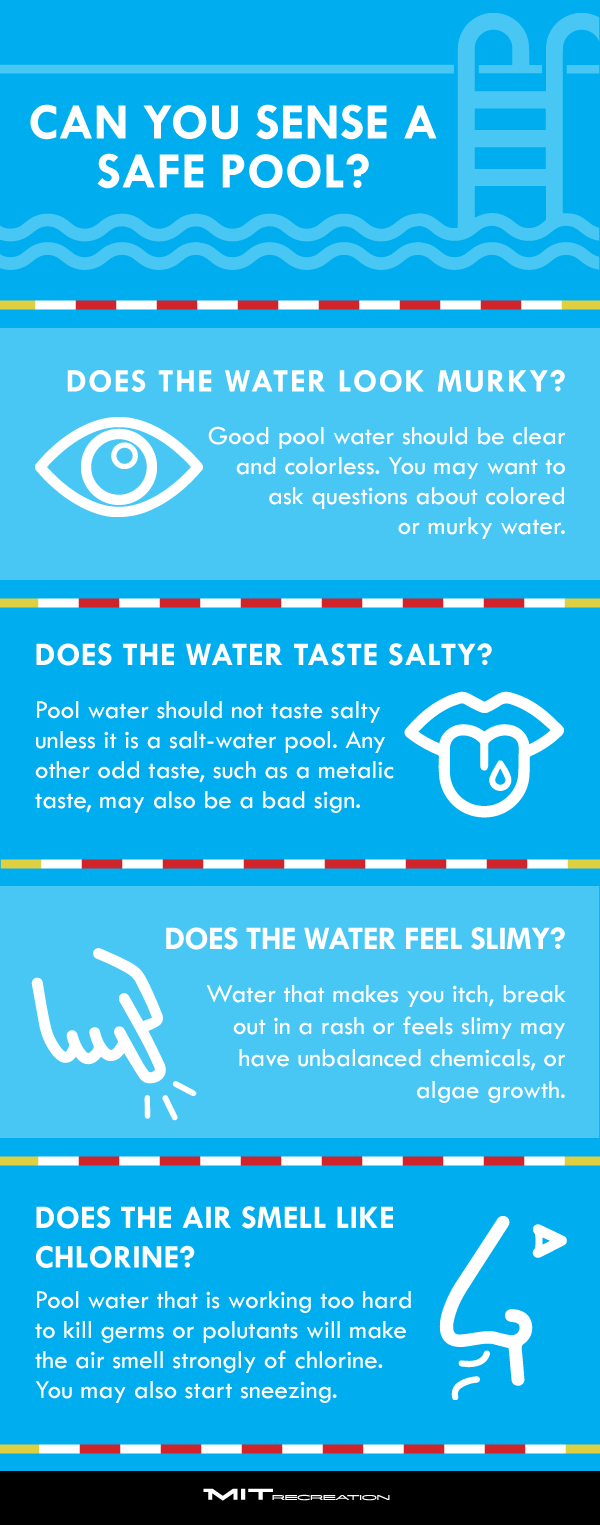
Credit: www.mitrecsports.com
Why Salt Water Pools Feel Slimy
Salt water pools sometimes feel slimy, which can surprise many pool owners. This slimy feel often means the water chemistry is off. Several factors cause this unpleasant texture. Understanding these causes helps keep the pool clean and comfortable.
Role Of Algae Growth
Algae can grow quickly in salt water pools. It creates a thin, slippery layer on surfaces. This layer feels slimy to the touch. Algae thrives when sanitizer levels drop too low. Regular cleaning and proper sanitizer balance stop algae growth.
Impact Of High Ph Levels
High pH levels make the water feel slick or slimy. pH above 7.8 causes skin and pool surfaces to feel slippery. Balanced pH keeps water comfortable and clear. Testing and adjusting pH prevents the slimy sensation.
Effect Of Chlorine Imbalance
Chlorine is vital to keep pools clean and safe. Too little chlorine allows bacteria and algae to grow. Too much chlorine can irritate skin and cause a slimy feel. Maintaining the right chlorine level is key for clear water.
Calcium Hardness And Scaling
Calcium hardness affects water texture. Low hardness can make water feel slimy and soft. High hardness leads to scaling and rough surfaces. Proper calcium balance prevents slimy water and protects pool equipment.
Common Mistakes Leading To Slimy Water
Slimy water in a salt water pool often results from avoidable mistakes. Understanding these common errors helps keep your pool clean and pleasant. Many pool owners face slimy water due to poor maintenance habits.
Below are some frequent mistakes that cause slimy water. Avoiding these can improve your pool’s feel and safety.
Infrequent Pool Cleaning
Not cleaning the pool regularly lets algae and bacteria grow. Dirt and debris build up, causing slimy textures. Brush the pool walls and vacuum the floor often. Regular cleaning removes slimy layers and keeps water clear.
Ignoring Water Testing
Skipping water tests leads to unbalanced chemicals. Salt water pools need constant monitoring of pH and chlorine levels. Unchecked water chemistry allows algae to form slimy coatings. Test your water weekly to keep it balanced.
Overusing Pool Chemicals
Adding too many chemicals can harm water balance. Excess chlorine or salt creates cloudy, slimy water. Follow product instructions carefully to avoid chemical overload. Proper dosing protects your pool’s surface and water quality.
Simple Steps To Fix Slimy Water
Slimy water in a salt water pool feels unpleasant and can stop you from enjoying your swim. Fixing this issue takes a few clear steps. These steps help clean the water and keep your pool safe. Follow these simple actions to get rid of the slime and keep your pool fresh.
Balancing Ph And Chlorine
Check your pool’s pH level first. The ideal range is between 7.2 and 7.6. Too high or too low pH causes slime and skin irritation. Adjust the pH using pool chemicals. Next, test the chlorine level. Salt water pools use chlorine made from salt. Keep chlorine between 1 and 3 ppm. Proper chlorine kills bacteria and algae that cause slime.
Shocking The Pool
Shocking means adding extra chlorine to the pool. This kills stubborn algae and germs. Use a chlorine shock product designed for salt water pools. Follow the instructions on the package carefully. Shock your pool at night to avoid sun damage. Wait at least 8 hours before swimming. This step removes slime and clears cloudy water.
Brushing And Vacuuming
Brush your pool walls and floor daily. This removes algae and dirt that chlorine can miss. Use a pool brush suitable for your pool surface. Vacuum the pool after brushing to remove debris. Regular cleaning stops slime from coming back. It also keeps the water clear and safe.
Regular Filter Maintenance
Clean your pool filter often. A dirty filter cannot remove small particles and algae. Backwash sand or DE filters as recommended. Replace cartridge filters when needed. Check the filter pressure gauge for signs of clogging. Proper filter care keeps water flowing and clean. This step is key to preventing slimy water in salt pools.

Credit: olympianwatertesting.com
Preventing Slimy Water In Salt Pools
Preventing slimy water in salt pools is key to enjoying a clean swim. Slimy water often signals an imbalance in your pool’s care. Taking simple, regular steps can stop sliminess before it starts. Understanding how to keep the water clear and fresh helps you maintain a healthy pool environment.
Consistent Water Testing Routine
Test your pool water at least twice a week. Check chlorine levels, pH, and alkalinity. These numbers must stay within the right range. This helps catch problems early. Use a reliable test kit for accurate results. Keeping track prevents slimy buildup and keeps water safe.
Proper Salt Cell Care
Salt cells need regular cleaning to work well. Scale and debris can block the cell and reduce chlorine. Clean the cell with a mild acid solution as instructed. Inspect the cell for damage or wear. A well-maintained salt cell ensures steady chlorine production and stops slime.
Maintaining Balanced Water Chemistry
Balance pH between 7.2 and 7.6 for best results. Keep alkalinity between 80 and 120 ppm. These levels help chlorine work correctly. Avoid letting calcium hardness get too high. Balanced water prevents algae and slime growth. Add chemicals carefully and measure often.

Credit: bradyshottubsottawa.com
Frequently Asked Questions
Why Does Salt Water Pool Feel Slimy Sometimes?
Sliminess happens when algae or biofilm grow due to low chlorine levels or poor water balance.
Can Salt Water Cause Slippery Or Slimy Pool Surfaces?
Yes, salt water can cause slippery surfaces if algae or bacteria develop on pool walls.
How To Fix Slimy Feeling In Salt Water Pools?
Shock the pool with chlorine and clean surfaces to remove algae and biofilm buildup.
Does Salt Water Pool Require Different Maintenance Than Chlorine Pools?
Salt water pools need regular chlorine checks and balanced pH to prevent sliminess and algae.
Can High Salt Levels Cause Slimy Pool Water?
High salt alone doesn’t cause slime, but it can affect chlorine effectiveness, leading to slime.
How Often Should I Test Salt Water Pool To Avoid Sliminess?
Test salt, pH, and chlorine levels at least twice a week to keep water clean and clear.
Conclusion
Salt water pools can feel slimy for several reasons. Poor water balance or high pH often causes this problem. Algae growth or too much salt can add to the slimy feel. Regular testing and cleaning help keep the pool clear and fresh.
Using the right chemicals keeps slime away and water safe. Check the filter and pump to ensure good water flow. Enjoying a clean, smooth pool feels much better. Taking small steps regularly prevents slimy water problems. Keep your pool inviting and ready for fun every day.