
Are you confused about whether to choose a 20V or a 16V vacuum? You’re not alone.
Picking the right vacuum can make a huge difference in how easily you clean your home. But what do those numbers really mean? And which one is better for your needs? You’ll discover the key differences between 20V and 16V vacuums, so you can make a smart choice without wasting time or money.
Keep reading—your next cleaning tool could be just a few scrolls away!
Power Ratings Explained
Power ratings help us understand the strength of a vacuum cleaner. They show how much energy the vacuum uses and how well it can clean. Comparing 20V and 16V vacuums starts with knowing what these numbers mean. This section breaks down power ratings to make choosing easier.
What Voltage Means
Voltage is the electric force that powers the vacuum motor. Higher voltage means more power available to the vacuum. A 20V vacuum has a stronger motor than a 16V one. This usually means it can clean better and handle tougher messes. Voltage is like the heart of the vacuum, pushing energy through the system.
Impact On Tool Performance
A higher voltage vacuum often runs longer and stronger. The 20V vacuum may hold its suction better during use. It can pick up larger debris and clean faster. The 16V vacuum might be lighter but can lose power quicker. Battery life and motor strength affect how well the vacuum cleans floors and corners. Power ratings help predict what the vacuum can do in daily use.
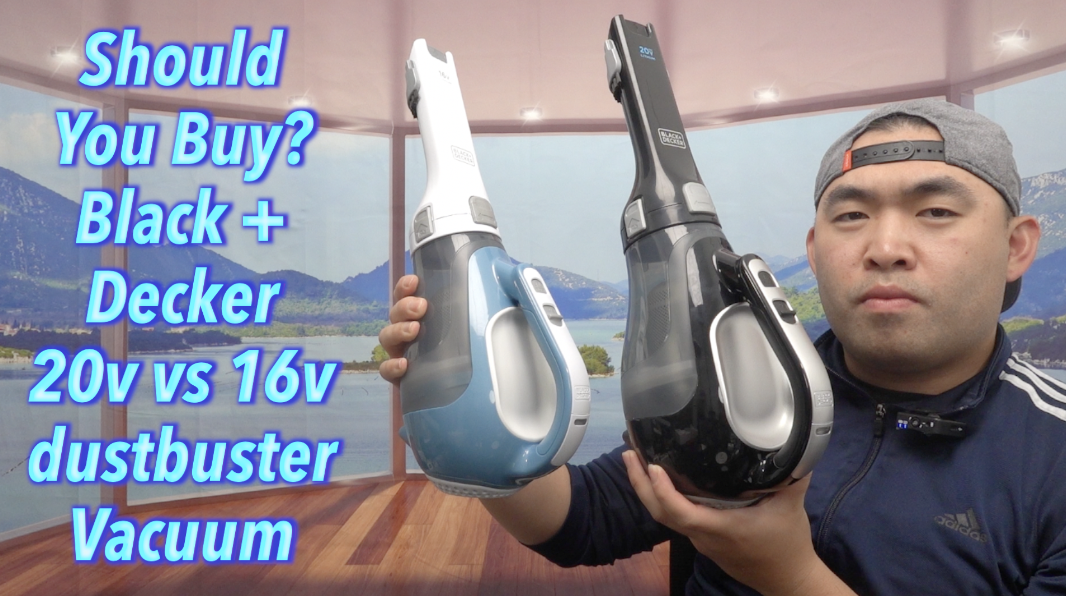
Credit: www.amazon.com
Battery Life And Efficiency
Battery life and efficiency are key factors in choosing between 20V and 16V vacuum cleaners. They affect how long you can clean and how often you need to recharge. A vacuum with better battery life lets you finish jobs without interruptions. Efficiency means using power smartly to save energy and extend battery use. Understanding these points helps pick the right vacuum for your needs.
Comparing Battery Durations
20V vacuums usually have longer battery life than 16V models. The higher voltage provides more power, which can keep the vacuum running longer. Some 20V vacuums run up to 40 minutes on a single charge. In contrast, many 16V vacuums offer around 20 to 25 minutes of use. Battery duration depends on the vacuum’s motor and power settings too. Using lower power modes can extend battery life in both types.
Charging Times And Convenience
Charging times vary between 20V and 16V vacuums. Generally, 20V batteries may take longer to charge due to larger capacity. Some models need 3 to 5 hours for a full charge. Many 16V vacuums can charge faster, often in 2 to 3 hours. Faster charging means less waiting and more cleaning time. Some vacuums also support quick charge features for short bursts of power.
Suction Power And Cleaning Ability
Suction power plays a key role in a vacuum’s performance. It determines how well the vacuum picks up dirt, dust, and debris. Strong suction means better cleaning results. The difference between 20V and 16V vacuums often comes down to this power level. Higher voltage usually means stronger suction. This affects how easily the vacuum cleans various surfaces.
Cleaning ability also depends on suction. A vacuum with strong suction can reach deep into carpets and pull out hidden dirt. On hard floors, good suction helps gather fine dust and larger particles quickly. Understanding suction power helps choose the right vacuum for your needs.
Measuring Suction Strength
Suction strength is measured in air watts or pascals. These units tell how much air the vacuum moves. A 20V vacuum usually has higher air watts than a 16V model. This means it can suck up more dirt in less time. Some brands also show water lift, which measures the vacuum’s ability to lift heavy debris. Checking these specs helps compare models clearly.
Keep in mind, other factors affect suction, like filter type and hose design. A well-built vacuum can make the most of its voltage. Always look at the full package, not just the voltage number.
Effectiveness On Different Surfaces
Different floors need different suction power. On thick carpets, a 20V vacuum often cleans better. It pulls dirt from deep inside the fibers. On hard floors, both 16V and 20V vacuums can work well. The higher voltage may clear dust faster, but the difference is smaller.
For pet hair, strong suction helps a lot. A 20V vacuum usually removes fur more easily than a 16V one. Rugs and upholstery also need good suction. A 20V model can clean these better, reducing allergens and dust.

Credit: www.youtube.com
Portability And Design
Portability and design play a big role in choosing between 20V and 16V vacuums. A vacuum that is easy to carry and handle makes cleaning less tiring. Design also affects how well the vacuum fits into tight spaces and how you use it every day.
Weight And Maneuverability
20V vacuums often have bigger batteries, which can add extra weight. This makes them harder to carry for long periods. 16V vacuums tend to be lighter and easier to move around. They glide smoothly across floors and fit into corners better. Lighter vacuums reduce arm and wrist strain during use.
Ergonomics And User Comfort
Ergonomic design helps users hold the vacuum comfortably. Many 16V models have smaller, slim handles that fit well in the hand. 20V vacuums might be bulkier but offer better balance to manage the extra power. Good grip and soft materials reduce hand fatigue. User comfort improves cleaning speed and enjoyment.
Durability And Build Quality
Durability and build quality play a key role in choosing between 20V and 16V vacuums. These features affect how long the vacuum lasts and how well it performs over time. Strong materials and good design help vacuums withstand daily use without breaking down. Understanding these aspects helps buyers make smart choices.
Materials Used
20V vacuums often use high-grade plastics and metals. These materials add strength and reduce weight. The housing usually resists cracks and dents. 16V vacuums tend to use lighter materials. Some parts may be less sturdy but still hold up well. The quality of plastics and metals impacts the vacuum’s toughness and feel.
Longevity And Maintenance
Vacuums with solid build quality last longer. 20V models often have better seals and stronger motors. This reduces wear and tear over time. 16V vacuums may need more frequent maintenance. Regular cleaning and part replacement keep both types working well. Careful handling extends the life of any vacuum.
Price And Value For Money
Price and value for money are key factors when choosing a vacuum cleaner. Buyers want the best performance without overspending. Comparing 20V and 16V vacuums helps find the right balance. Understanding costs and features can guide a smart purchase.
Cost Comparison
20V vacuums usually cost more than 16V models. Higher voltage means stronger power, which adds to the price. Prices vary by brand and design. A 20V vacuum might cost $50 to $100 more than a 16V. For budget shoppers, this difference matters a lot. Some 16V vacuums offer good cleaning at a lower price.
Features Vs. Price
20V vacuums often come with extra features like better battery life or stronger suction. These features raise the price but improve cleaning ease. 16V vacuums focus on basic functions and are lighter. They suit simple cleaning tasks and small homes. Choosing depends on needs and budget. Spending more only makes sense if the extra features are useful.
Best Uses For Each Voltage
Choosing the right vacuum voltage can make cleaning easier and more efficient. Each voltage level offers different power and battery life. Knowing where to use each type helps you clean better and save energy. Below, we explore the best uses for 16V and 20V vacuums.
Ideal Scenarios For 16v Vacuums
16V vacuums work well for small cleaning tasks. They are lightweight and easy to carry. Perfect for quick cleanups on hard floors and carpets. Great for cleaning cars and tight spaces. Batteries last long enough for short jobs. Ideal for people who need a simple, easy-to-use vacuum. Best for homes with light dirt and dust. Also good for quick spot cleaning without heavy power needs.
Ideal Scenarios For 20v Vacuums
20V vacuums offer stronger suction for tougher jobs. Use them on thick carpets and rugs. They handle pet hair and large debris better. Suitable for whole house cleaning without stopping. Batteries run longer, making them good for big areas. They work well on stairs and upholstery too. Perfect for users who want more power and longer use. Great choice for households with heavy dirt and pets.
User Reviews And Feedback
User reviews provide real insights into the 20V and 16V vacuum models. They show how these vacuums perform in everyday use. Feedback helps understand strengths and areas that need improvement. It also highlights user satisfaction and common issues. This section shares honest user opinions on both models.
Common Praise And Complaints
Many users praise the 20V vacuum for its strong suction power. It cleans carpets and hard floors well. Users also like its longer battery life compared to the 16V model. The 16V vacuum wins points for being lightweight and easy to handle.
Some complaints focus on the 20V vacuum’s heavier weight. It can be tiring to carry for long periods. A few users mention the 16V vacuum’s shorter battery life. It may need frequent charging during big cleaning jobs. Both models have users who find the dustbin small and needing frequent emptying.
Overall Satisfaction Ratings
The 20V vacuum scores higher in overall satisfaction. Users feel it offers better cleaning power and battery performance. Many recommend it for larger homes. The 16V vacuum gets good marks for convenience and ease of use. It suits smaller spaces and quick cleanups.
Both models receive positive feedback for durability and design. The 20V vacuum gets an average rating of 4.3 out of 5 stars. The 16V vacuum averages around 4.0 stars. These ratings reflect a strong user base and reliable performance.

Credit: www.amazon.com
Frequently Asked Questions
What Is The Main Difference Between 20v And 16v Vacuums?
20V vacuums have stronger motors and better suction than 16V models. This helps clean tougher dirt and larger areas faster.
Which Vacuum Voltage Is Better For Home Cleaning?
20V vacuums usually work better for homes with carpets and pets. 16V vacuums suit smaller spaces or quick clean-ups.
Do 20v Vacuums Use More Battery Power Than 16v?
Yes, 20V vacuums consume more battery power but offer longer run time per charge. 16V models use less power but run shorter.
Are 16v Vacuums Lighter Than 20v Models?
Generally, 16V vacuums are lighter and easier to carry around. 20V vacuums tend to be heavier due to bigger batteries.
Can 16v Vacuums Handle Pet Hair Well?
16V vacuums can pick up pet hair but may struggle with deep cleaning. 20V vacuums are better for homes with lots of pet hair.
Is The Price Difference Between 20v And 16v Vacuums Significant?
20V vacuums usually cost more because of stronger motors and larger batteries. 16V models are more budget-friendly for basic cleaning needs.
How Long Do 20v Vacuum Batteries Last Compared To 16v?
20V batteries generally last longer on a single charge than 16V batteries. This allows for extended cleaning sessions without recharging.
Conclusion
Choosing between a 20V and 16V vacuum depends on your needs. A 20V vacuum often offers stronger power and longer run time. A 16V vacuum is lighter and easier to carry. Both types clean well but suit different tasks. Think about where and how you will use it most.
This helps you pick the right vacuum without extra cost or effort. Simple needs fit a 16V, while bigger jobs call for a 20V. Your choice can make cleaning faster and easier every day.