
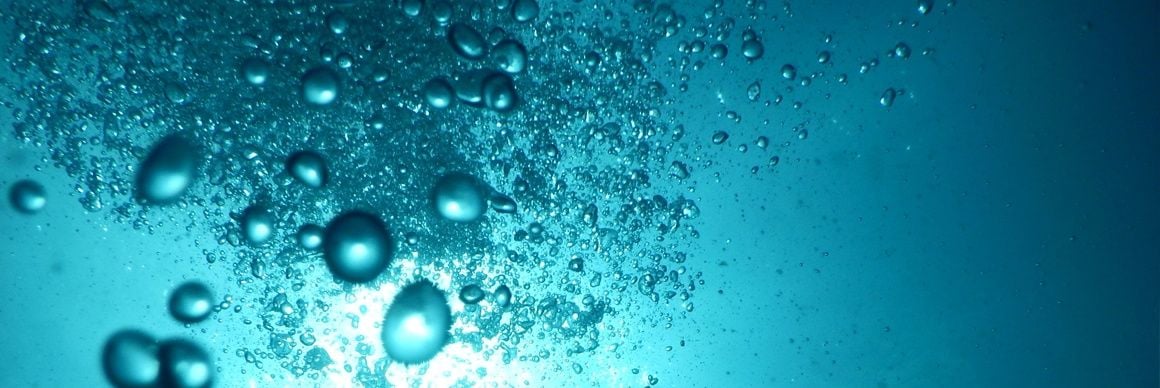
Have you ever noticed tiny bubbles clinging to the walls of your pool? These little bubbles might seem harmless, but they can tell you a lot about your pool’s health.
Understanding why these bubbles appear and what they mean can save you time, money, and frustration. You’ll discover the surprising reasons behind those tiny bubbles and learn simple steps to keep your pool clear and inviting. Keep reading—your perfect pool experience depends on it!
Credit: www.riverpoolsandspas.com
Why Tiny Bubbles Form
Tiny bubbles often appear on pool walls. These small bubbles catch the eye and can raise questions. Understanding why these bubbles form helps pool owners maintain clean water. Several factors cause bubbles to gather on the pool surface. Chemical changes, water temperature, and the wall material all play a role.
Chemical Reactions In Water
Pool water contains chemicals like chlorine and pH adjusters. These chemicals react with each other and with water. Sometimes, they release gases such as oxygen or carbon dioxide. These gases form tiny bubbles that stick to the pool walls. Chemical reactions change water composition and create visible bubbles.
Temperature Effects
Water temperature influences gas solubility. Warm water holds less gas than cold water. When pool water warms up, gases escape as bubbles. These bubbles rise and cling to the walls. Temperature shifts cause more bubbles to appear during sunny days or after heating.
Surface Material Influence
Pool walls have different textures and materials. Rough or porous surfaces trap gas pockets easily. Smooth surfaces allow bubbles to slide off quickly. Materials like concrete or plaster often show more bubbles. The surface type affects how many bubbles stick and how long they stay.
Common Causes Of Bubbles On Pool Walls
Seeing tiny bubbles on your pool walls is common. These bubbles can be small and often form clusters. Understanding why bubbles appear helps keep your pool clear and safe. Several factors cause these bubbles to form. Some relate to water chemistry, while others involve the pool’s equipment or cleaning methods.
High Calcium Levels
High calcium in pool water causes bubbles. Calcium can come from hard water or added chemicals. It forms tiny crystals on pool surfaces. These crystals trap air and create bubbles. Testing calcium levels regularly helps manage this issue. Keeping calcium balanced prevents excessive bubble buildup.
Air Entrapment
Air can get trapped in pool walls or liners. This happens during filling or water movement. Pumps and filters sometimes pull in air. The air escapes slowly, forming bubbles on walls. Checking equipment seals and fittings reduces air entry. Proper maintenance stops air entrapment and bubbles.
Water Circulation Issues
Poor water circulation causes bubbles to stick on walls. Slow-moving water traps air against pool surfaces. Blocked or dirty filters affect flow speed. Cleaning filters and ensuring good water movement helps. Correct circulation keeps bubbles from forming.
Pool Cleaning Products
Some pool cleaners and chemicals cause bubbles. Surfactants in cleaning products create foam and bubbles. Using too much cleaner increases bubbles on walls. Follow product instructions to avoid excess bubbles. Choose cleaners designed for your pool type.
Detecting Problem Areas
Detecting problem areas where tiny bubbles form on pool walls helps keep your pool healthy. These bubbles often show spots with air leaks or rough surfaces. Identifying these spots early stops bigger issues from growing.
Checking your pool regularly saves time and money. It also keeps your water clear and safe for swimming.
Visual Inspection Tips
Look closely at pool walls for small bubbles or rough patches. Use a flashlight to see hard-to-spot areas. Inspect corners and joints carefully, as bubbles often gather there. Note any changes in bubble size or number over days.
Using Pool Testing Kits
Test water with easy-to-use pool kits. These kits check pH, chlorine, and other chemicals. Imbalanced water can cause bubbles or surface damage. Regular testing helps find chemical problems early. Follow kit instructions for accurate results.
Monitoring Water Chemistry
Keep water chemistry balanced to prevent bubbles. Check pH levels between 7.2 and 7.8 for best results. Maintain chlorine levels to stop algae and bacteria. Track water hardness to protect pool surfaces. Adjust chemicals as needed after each test.

Credit: www.reddit.com
Effective Bubble Removal Methods
Small bubbles on pool walls can be annoying and spoil the water’s clear look. Removing these bubbles needs simple and clear steps. Effective bubble removal helps keep the pool clean and inviting. Below are easy ways to fix this problem.
Adjusting Chemical Balance
Check the pool’s pH and alkalinity levels first. Balanced chemicals reduce bubble formation. Use test strips or kits to measure the water. Add chemicals slowly and follow package instructions. Proper balance stops bubbles from sticking to pool walls.
Improving Filtration And Circulation
Good water flow prevents bubbles from gathering. Clean or replace pool filters regularly. Run the pump for at least eight hours daily. Check for blockages in pipes or skimmers. Better circulation moves bubbles away from pool walls quickly.
Manual Cleaning Techniques
Use a soft brush to scrub pool walls gently. This removes bubbles and dirt buildup. Wipe areas with a pool vacuum or net. Regular cleaning prevents bubbles from forming again. Manual care keeps the pool surface smooth and clear.
Preventing Bubble Formation
Tiny bubbles on your pool walls can be annoying and unsightly. These bubbles form due to several factors that affect water balance and surface conditions. Preventing their formation helps keep your pool clean and clear. Simple steps can reduce bubbles and improve your swimming experience.
Regular Pool Maintenance
Clean your pool walls and floor often. Dirt and oils create spots where bubbles stick. Skim debris daily and brush the walls weekly. Vacuum the pool to remove settled particles. Regular maintenance prevents buildup that causes bubbles.
Choosing The Right Chemicals
Use pool chemicals carefully. Balance pH, alkalinity, and calcium hardness. Unbalanced water leads to gas release and bubbles. Test water weekly and adjust chemicals as needed. Avoid adding too many chemicals at once. Proper chemical balance keeps bubbles away.
Maintaining Optimal Water Temperature
Keep your pool water at the right temperature. Warm water holds less gas, causing bubbles to form. Use a pool heater or cover to control temperature. Avoid sudden temperature changes. Stable temperature reduces bubble formation on walls.
Expert Tips For Clear Pool Walls
Clear pool walls create a better swimming experience. They also keep your pool looking fresh and inviting. Tiny bubbles on the pool wall can be frustrating. They make the pool look dirty even if the water is clean. Use these expert tips to keep your pool walls clear and bubble-free.
Routine Water Testing Schedule
Test your pool water twice a week. Check pH, chlorine, and alkalinity levels. Balanced water stops bubble formation on walls. Use reliable test kits for accuracy. Keep a log of your results. This helps track changes and fix issues fast.
Recommended Cleaning Tools
Use a soft pool brush to clean walls gently. Avoid hard brushes that can damage surfaces. A pool vacuum removes dirt and debris. A leaf net helps clear floating particles. Clean tools regularly to prevent spreading dirt. Proper tools make cleaning easier and more effective.
Addressing Common Mistakes
Do not ignore small bubbles; they can grow. Avoid using too much chlorine, which causes bubbles. Skipping regular cleaning leads to buildup and bubbles. Do not scrub pool walls harshly, which can cause damage. Follow the testing schedule and cleaning tips to avoid these mistakes.
Credit: barrierreefpools.com
Frequently Asked Questions
Why Are Tiny Bubbles Forming On My Pool Wall?
Tiny bubbles form from air trapped in pool surfaces or tiny leaks releasing gas underwater.
Are Tiny Bubbles On Pool Walls Harmful?
No, these bubbles usually indicate normal air or gas release, not harmful to the pool.
How Can I Remove Bubbles From My Pool Wall?
Use a pool brush to gently scrub the walls, which helps release trapped air bubbles.
Do Bubbles On Pool Walls Mean A Leak?
Not always. Bubbles can form from air pockets, but persistent bubbles might suggest a leak.
Can Water Chemistry Cause Bubbles On Pool Walls?
Yes, imbalanced water chemicals can cause gas formation, leading to visible bubbles on walls.
How Long Do Tiny Bubbles On Pool Walls Last?
Bubbles usually disappear within a few hours to days as trapped air escapes naturally.
Conclusion
Tiny bubbles on pool walls are common and usually harmless. They often form from water temperature changes or air trapped in the surface. Regular cleaning helps keep your pool clear and inviting. Watch for unusual growth or changes, which may need expert help.
Simple care keeps your pool safe and enjoyable all season. Understanding these bubbles makes pool maintenance easier and less stressful. Stay attentive, and your pool will stay fresh and beautiful.