
Are you tired of seeing your sewer bill climb higher every month? You’re not alone.
Many people don’t realize that small changes in how you use water can lead to big savings on your sewer charges. What if you could cut your bill without sacrificing comfort or convenience? You’ll discover simple, practical tips that anyone can follow to lower their sewer costs.
Keep reading, and you’ll learn how to take control of your bill and keep more money in your pocket.
Check Your Water Meter Regularly
Checking your water meter regularly helps control your sewer bill. It shows how much water your household uses. Watching the meter helps find problems early. It also helps track your water use over time. Regular checks save money and avoid surprises on your bill.
Detect Leaks Early
Water leaks waste a lot of water without notice. A sudden rise in your meter reading can mean a leak. Checking the meter daily or weekly catches leaks fast. Fixing leaks early stops water waste. It lowers your sewer bill by reducing extra water flow.
Track Unusual Usage Patterns
Unusual water use shows on your meter reading. Some days may show more water use than normal. Tracking these changes helps find habits or issues causing waste. It may reveal a running toilet or dripping faucet. Spotting these patterns helps cut down water use and sewer costs.
Fix Leaks Promptly
Fixing leaks right away helps cut your sewer bill. Leaks waste water, causing higher costs. Small drips add up quickly and increase your bill. Checking and repairing leaks saves money and water. Act fast to keep your bills low and avoid bigger problems later.
Common Leak Sources
Leaks often start in pipes under sinks or behind toilets. Faucets can drip if washers wear out. Water heaters and outdoor hoses may also leak. Look for wet spots or mold near pipes. Slow leaks sometimes cause stains on walls or floors. Detecting these signs early prevents water loss and high bills.
Diy Vs Professional Repairs
Some leaks are easy to fix yourself with simple tools. Tighten loose fittings or replace washers to stop drips. Use plumber’s tape to seal small leaks in pipes. Bigger leaks need a professional plumber’s help. Experts find hidden leaks and fix pipes safely. Choose the right option based on your skill and leak size.
Limit Water Usage Indoors
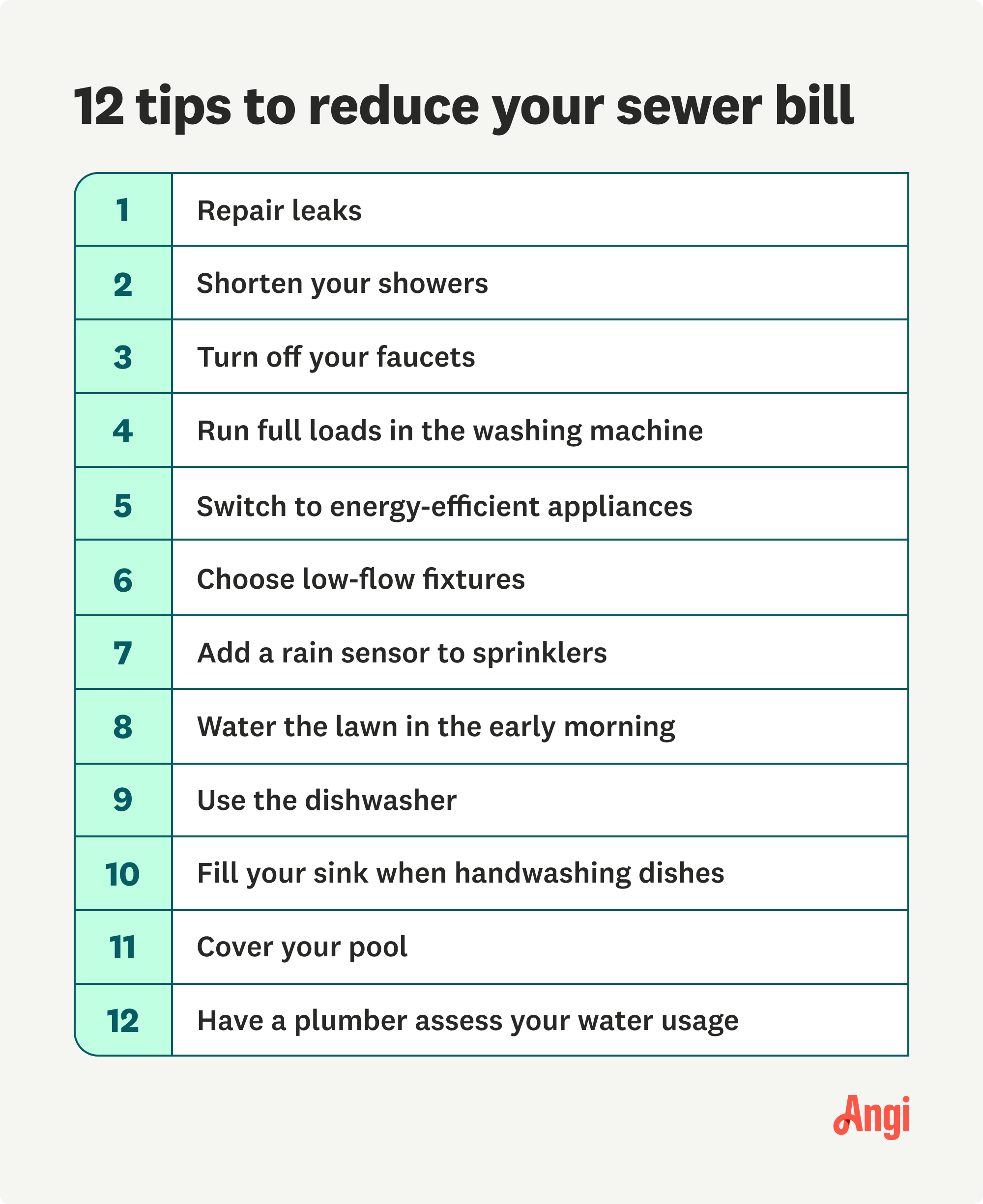
Reducing your sewer bill starts with using less water inside your home. Every drop you save means less water goes down the drain. This can lower your sewer costs and help the environment. Small changes in daily habits can make a big difference.
Focus on how you use water in the bathroom, kitchen, and laundry. Simple actions like shorter showers and efficient fixtures cut water use. These steps help control your sewer bill without much effort.
Shorten Shower Times
Showers use a lot of water. Cutting shower time by a few minutes saves gallons each day. Try to keep showers under five minutes. Turn off the water while soaping up or shampooing. These small changes reduce water flow and sewer use.
Use Water-efficient Fixtures
Water-efficient fixtures use less water without losing pressure. Look for low-flow showerheads and faucets. These devices lower water use by half or more. Installing these fixtures reduces the volume of water that enters the sewer system. This lowers your sewer bill and saves water every day.
Reduce Outdoor Watering
Cutting back on outdoor watering helps lower your sewer bill. Water from your yard drains into the sewer system. Less outdoor water means less water goes to the sewer.
Saving water outside keeps your sewer costs down. Simple changes in watering habits make a big difference.
Water Plants Wisely
Water plants early in the morning or late in the evening. This reduces water loss due to evaporation. Use a watering can or a hose with a shut-off nozzle. Avoid watering on windy days to prevent waste.
Focus on watering the roots, not the leaves. This helps plants absorb water better and saves water.
Use Rainwater Harvesting
Collect rainwater to water your garden. Use barrels or containers to catch rain from your roof. This water is free and does not affect your sewer system.
Rainwater is good for plants and reduces your need for tap water. Using rainwater lowers your sewer bill and helps conserve water.
Avoid Unnecessary Drain Flows
Reducing your sewer bill starts with avoiding unnecessary drain flows. Every time water goes down the drain, it increases your sewer usage. Cutting down on the water that enters your sewer system helps lower your bill. Small changes in daily habits can make a big difference over time.
Minimize Garbage Disposal Use
Garbage disposals use a lot of water to grind and flush food waste. This water adds to your sewer flow, which raises your bill. Avoid putting food scraps down the disposal. Instead, throw them in the trash or compost bin. This reduces water use and keeps the sewer system cleaner.
Reuse Greywater When Possible
Greywater is the lightly used water from sinks and showers. You can reuse this water for tasks like watering plants or cleaning floors. Reusing greywater lowers the amount sent to the sewer. Simple systems, like buckets or greywater recycling setups, help save water and reduce sewer costs.
Credit: myrainplan.com
Understand Your Sewer Billing
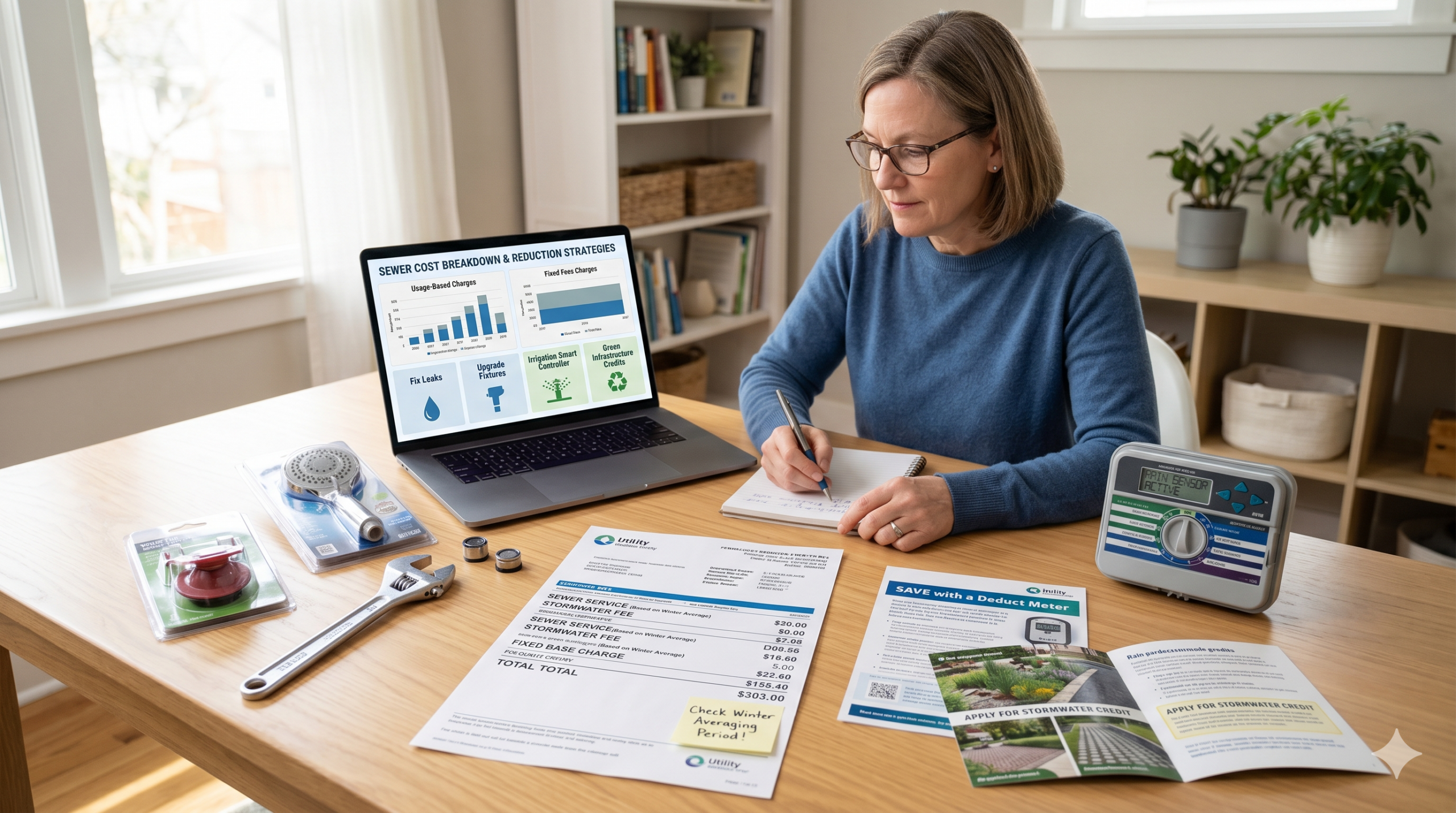
Your sewer bill can be confusing without clear details. Knowing how charges work helps you save money. This section explains how sewer bills are calculated and how to request bill adjustments. Understanding this is the first step to lower your sewer costs.
Many people pay more than needed because they do not check their bills. Reading your bill carefully shows where your money goes. It also helps spot errors or unusual charges. Keep your bills for comparison over time.
How Sewer Charges Are Calculated
Sewer charges usually depend on water usage. The more water you use, the higher your sewer bill. Some areas use a flat fee instead of measuring water use. Others combine flat fees with usage rates.
Your bill may include a base charge and a usage charge. The base charge covers sewer system maintenance. Usage charge reflects the water you drain into the sewer. Check your local utility’s method for exact details.
Seasonal changes affect water use and sewer bills. For example, watering plants in summer raises water use but may not increase sewer flow. This may lower your sewer charges if the utility adjusts for this.
Request Sewer Bill Adjustments
Errors happen on sewer bills. You can ask for a review or adjustment. Look for leaks or broken pipes that cause high water use. Fixing these can reduce your bill.
Contact your utility with proof of repairs or unusual water use. They may lower your bill or offer a payment plan. Keep records of all communications and repairs for support.
Some utilities offer bill adjustments for special cases, like water loss not going into the sewer. Ask about these programs to avoid paying for water not entering the sewer system.
Install Water-saving Appliances
Installing water-saving appliances helps lower your sewer bill by cutting water use. These devices use less water without losing performance. They reduce wastewater that flows into the sewer system. This means smaller sewer charges from your utility company.
Water-saving appliances also save money on your water bill. Using less water is good for the environment. It conserves a valuable resource and reduces pollution.
High-efficiency Toilets
High-efficiency toilets (HETs) use much less water per flush. Older toilets use up to 6 gallons per flush. HETs use about 1.28 gallons or less. This cuts water use by more than half. Less water flushed means less water treated in the sewer system. This lowers your sewer bill.
These toilets flush well without wasting water. They use new technology to clean the bowl quickly. Installing a high-efficiency toilet is a smart way to save water daily.
Energy Star Dishwashers And Washers
Energy Star dishwashers and washing machines use less water and energy. They have sensors to adjust water use based on load size. This stops water waste during each cycle.
Using these appliances reduces the amount of wastewater entering the sewer system. Less wastewater means a lower sewer charge. They also save electricity, cutting overall utility costs.
Choosing Energy Star models helps reduce water use without changing habits. Efficient appliances work hard while using less water.
Credit: www.angi.com
Monitor Seasonal Changes
Seasonal changes can affect your sewer bill more than you expect. Water use varies in winter and summer. Monitoring these changes helps manage your costs. Small adjustments in daily habits can lead to savings.
Adjust Water Use In Winter And Summer
Water use often drops in winter. People spend more time indoors and use less outdoor water. Lower water use means lower sewer charges. Still, watch for leaks and running toilets. They raise your bill even in winter.
Summer usually brings higher water use. Garden watering and pool refills increase water flow. These raise sewer bills. Cut outdoor water use by watering early or late. Fix pool leaks and cover pools to reduce evaporation.
Prepare For Seasonal Billing Variations
Sewer bills can rise in warmer months. Plan your budget for these changes. Track your water use each season. Use past bills to predict future costs. Adjust your water habits before bills increase.
Seasonal preparation helps avoid surprises. Use water-saving devices like low-flow showerheads. Repair leaks quickly. These steps keep your sewer bill steady throughout the year.
Seek Professional Advice
Seeking professional advice can help lower your sewer bill effectively. Experts know where water is wasted and how to fix it. They provide guidance that saves money and protects the environment.
Professionals use tools and tests to find problems you might miss. Their advice leads to smart changes in your home or business. This step is important for long-term savings and better water use.
Energy Audits And Water Assessments
Energy audits check how much water and power your property uses. Professionals examine pipes, appliances, and fixtures. They find leaks or inefficient systems that waste water. Water assessments measure your exact water flow and usage. This helps identify costly leaks or overuse. Fixing these issues lowers your sewer bill quickly. The audit results guide your next steps for repair or upgrade.
Local Utility Programs And Rebates
Many local utilities offer programs to reduce water use. These programs may include free inspections or low-cost upgrades. Rebates help cover the cost of water-saving devices. Items like low-flow toilets or efficient irrigation systems qualify. Professionals can tell you which programs apply to you. Taking advantage of these saves money upfront and on your bill. It also encourages smarter water use in your community.
Credit: www.self.inc
Frequently Asked Questions
How Can I Lower My Sewer Bill Quickly?
Fix leaks and reduce water use. Check toilets and faucets for drips. Use water-saving appliances.
What Household Habits Increase Sewer Bills?
Long showers and frequent laundry add to water use. Running dishwashers half-full wastes water. Avoid flushing non-flushable items.
Does Watering The Lawn Affect Sewer Charges?
No, outdoor water usually does not enter the sewer system. Sewer fees are based on indoor water use.
How Do Water-efficient Appliances Reduce Sewer Costs?
They use less water during each cycle. This means less wastewater enters the sewer system. Saves money on sewer bills.
Can Sewer Bills Be Estimated Without A Meter?
Yes, many areas use water meter readings. Sewer fees are often based on water consumption. Check your local utility’s method.
Are There Programs To Help Lower Sewer Bills?
Some utilities offer rebates for water-saving devices. Assistance programs may be available for low-income households. Contact your provider for details.
How Often Should I Check For Leaks To Save Money?
Check monthly for leaks in toilets, faucets, and pipes. Small leaks can cause high sewer bills over time. Early detection saves water and money.
Conclusion
Saving money on your sewer bill is easier than you think. Small changes in daily water use help a lot. Fixing leaks and using water wisely lowers costs. Checking your bill for errors can save you more. These steps protect your wallet and the environment.
Start with one tip today and see the difference. Keep habits simple and consistent for best results. You control your water use and your bill. Little efforts add up to big savings over time.