
Have you ever wondered what your home’s old sewer pipes are made of? Knowing the materials used in old sewer pipes is more important than you might think.
It can help you spot potential problems early, save money on repairs, and keep your home safe and healthy. Whether you’re buying an older house or dealing with plumbing issues, understanding these materials gives you an edge. Keep reading to discover the common types of old sewer pipe materials, how to identify them, and why it matters for your home’s future.
Credit: www.alamy.com
Common Old Sewer Pipe Materials
Old sewer pipes were made from many different materials. Each type has its own features and problems. Knowing these materials helps understand why pipes fail over time. It also guides the repair or replacement process. Below are some common old sewer pipe materials used in homes and buildings.
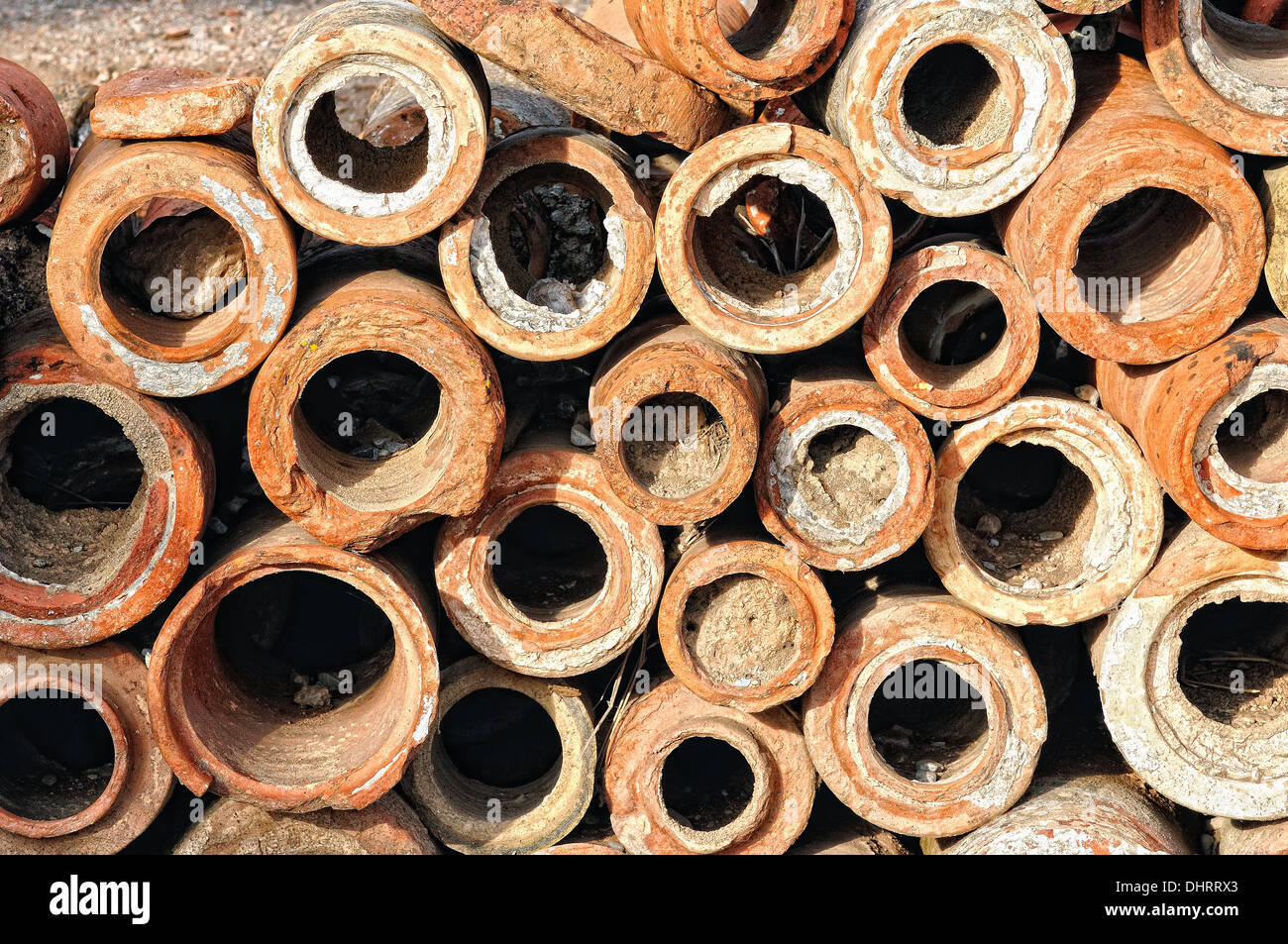
Clay Pipes
Clay pipes were popular in the early 1900s. They are made from baked clay and are very hard. Clay resists chemicals and does not corrode. Pipes are joined by wrapping tar or pitch around the ends. However, clay pipes can crack or break from ground movement. Tree roots often grow into the joints, causing blockages.
Cast Iron Pipes
Cast iron pipes became common in the late 1800s. They are strong and hold heavy loads well. Cast iron resists heat and fire damage. Over time, these pipes can rust inside, leading to leaks. Corrosion also causes rough pipe walls, which slow water flow. Cast iron pipes are heavy and costly to install or replace.
Orangeburg Pipes
Orangeburg pipes are made of compressed wood fibers and tar. They were used from the 1940s to the 1970s. These pipes are lightweight and easy to install. Orangeburg pipes can swell and soften when wet. Over time, they lose strength and collapse. Tree roots also cause damage to these pipes.
Concrete Pipes
Concrete pipes are large and mainly used for public sewer lines. They are strong and last many years. Concrete pipes resist crushing but can crack under heavy pressure. Water and chemicals slowly wear away the concrete surface. Roots can penetrate cracks and cause leaks. Repairing concrete pipes is often expensive.
Galvanized Steel Pipes
Galvanized steel pipes have a zinc coating to prevent rust. They were used for sewer lines and water supply. Over time, the zinc wears off, and steel rusts inside. Rust buildup reduces pipe diameter and causes blockages. Galvanized pipes are prone to leaks and breaks. Replacing them is often necessary for modern plumbing.
Signs Of Sewer Pipe Deterioration
Sewer pipes can wear out over time. Old materials like clay, cast iron, or even early plastics often fail after many years underground. Knowing the signs of sewer pipe deterioration helps catch problems early. This can save money and avoid serious damage.
Look for unusual changes in your home’s plumbing or yard. These signs point to cracks, leaks, or blockages in old sewer pipes. Pay attention to slow drains, bad smells, backups, and odd patches in the yard.
Slow Drains And Clogs
Slow draining sinks or tubs often signal pipe damage. Pipes may crack or collapse inside, blocking water flow. Grease, roots, and debris build up in old pipes. This causes frequent clogs and slow drains throughout the house.
Foul Odors
Bad smells near drains or outdoors suggest sewer leaks. Cracked pipes let sewer gases escape. These odors can be strong and unpleasant. They often worsen in damp or windy weather. Detecting these smells early helps avoid health risks.
Sewage Backups
Backups of sewage in toilets or floor drains show pipe failure. Blocked or broken pipes prevent waste from flowing out. Sewage can come back into the home. This problem needs fast repair to protect health and property.
Lush Patches In Yard
Green, wet spots in the yard may mean leaking sewer pipes. Sewage water nourishes plants, making grass grow thicker. These patches appear even in dry weather. They show where pipes might be broken underground.
Choosing Replacement Pipes
Choosing the right replacement pipes is important for a long-lasting sewer system. Different materials work better in different situations. The choice affects durability, cost, and installation ease.
Understanding the common pipe materials helps in making a smart decision. Below are some popular options with their key features.
Pvc Pipes
PVC pipes are lightweight and easy to install. They resist corrosion from chemicals and moisture. These pipes have smooth interiors that reduce blockages. They cost less than many other materials. PVC works well for many residential sewer systems.
Hdpe Pipes
HDPE pipes are flexible and strong. They handle soil movement without cracking. Their joints are fused to prevent leaks. HDPE resists chemicals and abrasion. These pipes last a long time in tough conditions. They are good for areas with shifting ground.
Copper Pipes
Copper pipes are durable and resist corrosion naturally. They handle high water pressure well. Copper has a long lifespan and can be recycled. These pipes are more expensive than plastic options. Copper is often used for water supply but less for sewer lines.
Pros And Cons Of Each Material
PVC pipes cost less and are easy to install but can crack in extreme cold. HDPE pipes are flexible and leak-resistant but need special tools for joining. Copper pipes last long and resist corrosion but come with a higher price.
Choosing depends on budget, soil type, and project size. Each material has strengths and weaknesses to consider carefully.
:max_bytes(150000):strip_icc()/Orangeburg_Pipe-5b3fecf346e0fb00371aab47.jpg)
Credit: www.thespruce.com
Replacement Methods
Replacing old sewer pipes requires careful planning and the right method. The choice depends on pipe condition, location, and budget. Several replacement methods exist, each with unique benefits and challenges. Understanding these methods helps in choosing the best solution for your sewer issues.
Traditional Excavation
This method involves digging up the ground to remove old pipes. Workers excavate trenches along the pipe path. Then, they remove the damaged pipe and install a new one. It allows full access to the pipe and easy repair or replacement. However, it can cause major disruption to your yard or street. Excavation is often the most straightforward but also the most invasive option.
Trenchless Technologies
Trenchless methods avoid digging large trenches. They reduce damage to your property and lower restoration costs. These techniques use small access points to repair or replace pipes underground. Trenchless options are faster and cause less mess. They work well in tight spaces and urban areas. This method preserves landscaping and road surfaces better than excavation.
Pipe Bursting
Pipe bursting breaks the old pipe while pulling a new one in its place. A bursting head shatters the old pipe inside the ground. The new pipe follows behind, filling the empty space. This method needs only small holes at each end of the pipe. It works best for pipes that are cracked or collapsed. Pipe bursting avoids digging trenches and speeds up replacement.
Cured-in-place Pipe (cipp)
CIPP repairs pipes without removal or digging. A flexible liner coated with resin is inserted into the old pipe. The liner is then inflated and cured to harden inside the pipe. This creates a smooth, jointless new pipe within the old one. CIPP works well for pipes with minor damage and leaks. It minimizes disruption and quickly restores pipe function.
Cost Factors In Sewer Pipe Replacement
Replacing old sewer pipes involves several cost factors. Understanding these helps plan your budget better. Costs vary based on material, labor, permits, and needed repairs. Each factor affects the final price significantly.
Material Costs
Material choice impacts the overall expense. Cast iron and clay pipes cost more than PVC. Older materials may need special handling during removal. New pipes must fit local codes and last longer. Prices also depend on pipe diameter and length.
Labor Expenses
Labor is a major part of sewer pipe replacement costs. Skilled workers charge more for complex jobs. Digging, removing old pipes, and installing new ones take time. Difficult access or deep pipes increase labor charges. Efficient crews may reduce total hours needed.
Permits And Inspections
Local laws often require permits for sewer work. Permit fees vary by city and job size. Inspections ensure the work meets safety standards. Passing inspections avoids future costly repairs. Budget for permits as part of your project cost.
Additional Repairs
Old pipes can cause damage beyond replacement areas. Soil erosion or sinkholes may need fixing. Tree roots could harm nearby structures. Unexpected repairs raise the overall cost. Inspect the whole sewer line before starting work.

Credit: www.1tomplumber.com
Preventing Future Sewer Pipe Issues
Old sewer pipes often face many problems due to their age and materials. Preventing future sewer pipe issues helps avoid costly repairs and damage. Simple steps can keep pipes working well for longer.
Regular Inspections
Check sewer pipes at least once a year. Early detection of cracks or blockages saves money. Professionals use cameras to see inside pipes clearly. Regular inspections catch small problems before they grow.
Proper Usage Habits
Do not flush anything except toilet paper and human waste. Avoid pouring grease or oil down drains. These substances build up and cause clogs. Teach everyone in your home safe drain habits.
Tree Root Management
Tree roots often invade old sewer pipes. Roots seek water and can crack pipes. Keep trees and shrubs away from sewer lines. Use root barriers or remove invasive trees near pipes.
Routine Maintenance Tips
Clean drains regularly to prevent buildup. Use enzyme-based cleaners for safe pipe care. Avoid harsh chemicals that damage pipes. Schedule professional pipe cleaning every few years.
Frequently Asked Questions
What Materials Were Used For Old Sewer Pipes?
Old sewer pipes were often made from clay, cast iron, or concrete. Clay pipes were common due to their low cost and durability.
How Long Do Old Sewer Pipe Materials Last?
Clay and cast iron pipes can last 50 to 100 years, depending on soil and usage. Concrete pipes may last around 40 to 75 years.
Why Were Clay Pipes Popular In Old Sewer Systems?
Clay pipes resist corrosion and chemicals well. They are also easy to produce and install in early sewer systems.
What Problems Occur With Old Cast Iron Sewer Pipes?
Old cast iron pipes can corrode and develop leaks over time. This causes blockages and potential sewage leaks.
How Can You Identify Old Sewer Pipe Materials?
Look for pipe color and texture: clay is reddish-brown, cast iron is dark and heavy. Concrete pipes are gray and rough.
Are Old Sewer Pipes Safe To Use Today?
Many old pipes still work but may have cracks or leaks. Regular inspection is important to avoid sewer backups.
What Are Common Repairs For Old Sewer Pipe Materials?
Repairs include patching leaks, relining pipes, or full replacement. Trenchless methods reduce digging and cost during repairs.
Conclusion
Old sewer pipe materials vary in type and durability. Some last longer, while others need frequent repairs. Knowing the material helps in planning repairs or replacements. Cast iron, clay, and lead pipes were common in the past. Each has its own problems and benefits.
Understanding these materials can save time and money. Choose wisely to avoid future issues. Proper care keeps your sewer system working well. Simple knowledge makes a big difference.