
Are you watching your pool walls start to buckle as you fill it with water? It’s a frustrating and worrying sight.
You might wonder if your pool is safe or if it will collapse. This problem can turn your dream pool into a costly headache fast. But don’t panic just yet. Understanding why pool walls buckle and what you can do about it will save you time, money, and stress.
Keep reading to learn the key reasons behind this issue and how to protect your pool—and your peace of mind.
Credit: www.troublefreepool.com
Why Pool Walls Buckle
Pool walls can buckle while filling due to several key reasons. Understanding why this happens helps prevent damage. Buckling occurs when the walls cannot hold the pressure from water and soil. This section explains the main causes behind pool wall buckling.
Pressure Differences
Water inside the pool creates pressure on the walls. Outside soil also pushes against the walls. If pressure inside and outside is uneven, walls may bend or crack. Pressure differences stress the pool structure, leading to buckling.
Soil Conditions
Soil type around the pool affects wall stability. Loose or shifting soil adds extra force on the walls. Clay soil expands when wet, pushing harder on the pool. Poor soil support can cause walls to move or bend.
Water Weight Impact
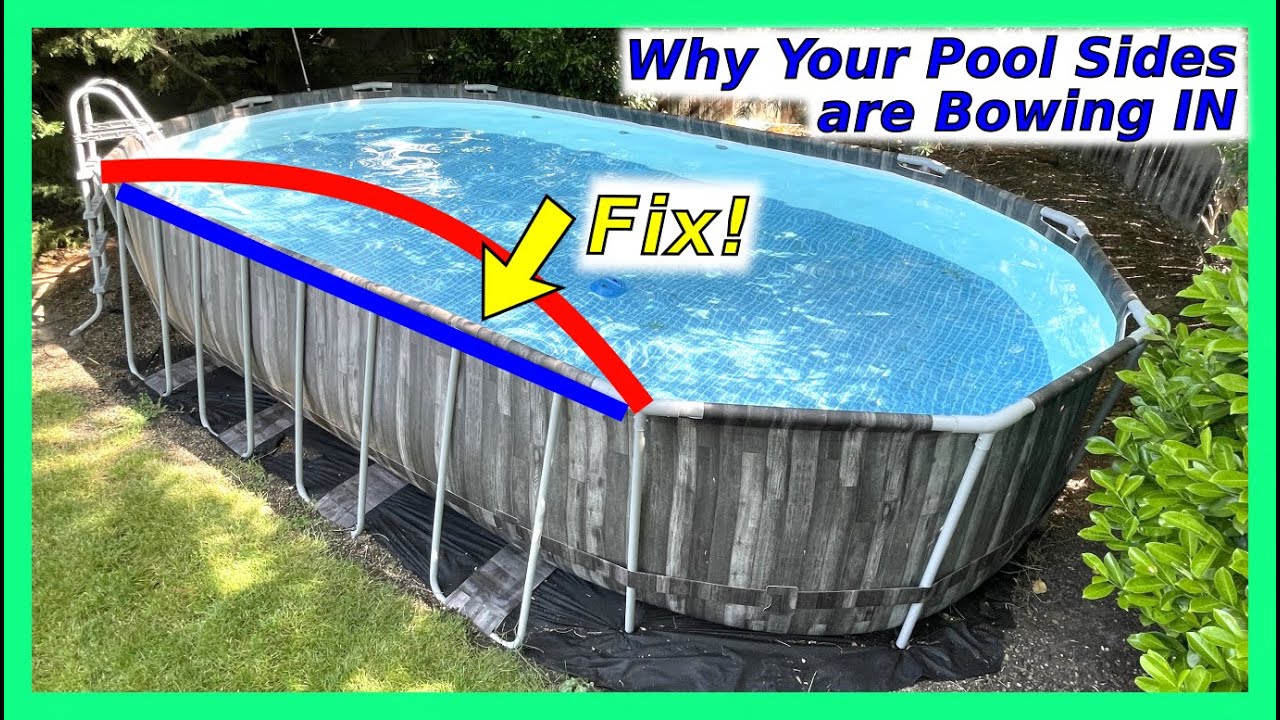
Water is heavy and pushes hard on pool walls. As the pool fills, the walls bear more weight. If walls are weak, they cannot handle the water pressure. This causes walls to bow inward or collapse.
Structural Weaknesses
Pool walls may have weak spots from poor design or materials. Cracks, rust, or missing reinforcements reduce strength. Weak walls fail under pressure and begin to buckle. Regular inspection helps spot problems early.
Credit: www.youtube.com
Signs Of Buckling Walls
Pool walls can buckle while filling due to pressure and structural issues. Early signs help prevent bigger damage. Spotting these signs quickly keeps your pool safe and usable.
Visible Deformation
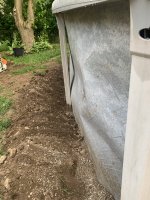
Walls may bend or bulge outward. The pool shape looks uneven or warped. This change happens slowly but becomes clear over time. Check the walls from different angles for any unusual curves.
Cracks And Splits
Look for small cracks on the wall surface. These cracks may grow as pressure increases. Splits in the material can let water escape. Cracks often appear near the bottom or corners of the pool.
Uneven Pool Surface
The floor or wall surface may feel uneven. You might notice bumps or dips inside the pool. This happens because the structure shifts under pressure. Walk around the pool edge to feel any irregularities.
Water Leakage Indicators
Water levels drop faster than usual. Puddles form around the pool base after filling. You may find wet spots outside the pool area. These signs show water is escaping through weak walls.
Common Causes Behind Buckling
Pool walls can buckle during filling due to various issues. These problems often cause costly repairs and delays. Understanding common causes helps prevent wall damage and keeps your pool safe.
Improper Backfill
Backfill is the soil or material placed around pool walls. Poor backfill can cause uneven pressure on walls. Loose or wet backfill cannot support the wall properly. This leads to bulging or bending as water fills the pool.
Poor Wall Design
Weak wall design lacks strength to hold water pressure. Thin walls or wrong materials bend under load. Walls without proper shape or thickness fail easily. Good design matches the pool size and soil conditions.
Rapid Filling Speed
Filling the pool too fast increases pressure quickly. Walls do not have time to adjust to water weight. Rapid filling causes sudden stress on walls. Slow, steady filling reduces risk of buckling.
Lack Of Reinforcement
Reinforcements like steel bars strengthen pool walls. Without these supports, walls become weak. Reinforcement distributes pressure evenly along the wall. Missing reinforcement often leads to cracks and bulges.
Preventing Wall Buckling
Preventing pool walls from buckling during filling is essential for a safe and long-lasting pool. Proper steps can stop walls from bending or breaking under pressure. This section explains key methods to protect your pool walls.
Proper Soil Preparation
Start with solid ground. Remove loose dirt and debris around the pool site. Compact the soil to create a stable base. A firm foundation supports pool walls evenly. Soft or uneven soil can cause walls to shift and buckle.
Gradual Filling Techniques
Fill the pool slowly. Pour water in small amounts over time. This helps walls adjust to pressure gently. Rapid filling causes sudden stress, increasing the risk of buckling. Monitor water levels closely during filling to catch issues early.
Using Reinforced Materials
Choose strong wall materials. Reinforced panels or steel frames add extra support. These materials resist bending under water pressure. Reinforcement reduces the chance of cracks and warping. Always pick materials designed for pool walls.
Regular Inspections
Check pool walls often. Look for cracks, bulges, or loose panels. Early detection allows quick repairs. Inspect after filling and during pool use. Routine checks keep walls safe and stable over time.
Repairing Buckled Pool Walls
Repairing buckled pool walls requires careful attention and timely action. Early repairs prevent further damage. Pools with buckled walls risk leaks and structural failure. Knowing how to fix these issues protects your investment and ensures safety.
Assessing Damage Extent
Start by inspecting the pool walls closely. Look for visible bends, cracks, or separations. Check if the buckling affects the entire wall or only a section. Note any water leakage or soil movement around the pool. This helps decide the repair method and materials needed.
Temporary Support Methods
Temporary supports stabilize the walls during repair. Use braces or wooden beams to hold the walls in place. These supports prevent further movement or collapse. Secure them firmly but gently to avoid additional damage. Temporary support keeps the pool safe until permanent fixes are done.
Structural Reinforcement Options
Structural reinforcements restore wall strength and shape. Options include steel braces, concrete patches, or wall anchors. Steel braces provide strong support against pressure. Concrete patches fill cracks and strengthen weak spots. Wall anchors tie the pool walls to stable ground. Choose the best method based on damage and pool type.
Professional Repair Services
Experts have the tools and skills for complex repairs. They assess damage and recommend effective solutions. Professionals ensure repairs meet safety standards and last long. Hiring experts reduces risks and saves time. Always consider professional help for severe buckling or structural issues.
Credit: www.reddit.com
Expert Tips For Safe Pool Filling
Filling a pool safely is key to avoiding wall buckling. This problem happens when water pressure grows too fast or unevenly. Knowing how to fill your pool right protects your investment and keeps it safe.
Monitoring Water Levels
Check the water level often during filling. Use a gauge or a marked stick. Stop if water rises too quickly. Watching levels helps avoid sudden pressure on walls.
Adjusting Fill Rates
Fill the pool slowly and steadily. Fast filling causes uneven pressure. Use a valve or timer to control flow. A slow fill lets the structure adjust safely.
Maintaining Pool Equipment
Keep pumps and filters clean and working well. Faulty equipment can cause pressure issues. Regular checks ensure everything runs smoothly. Proper maintenance supports safe filling.
Consulting Structural Engineers
Ask an expert if you worry about wall strength. Engineers can inspect and advise on risks. Their advice helps prevent damage. Early consultation saves costly repairs later.
Frequently Asked Questions
Why Are Pool Walls Buckling While Filling Water?
Pool walls may buckle due to uneven water pressure or weak wall support during filling.
How Can I Prevent Pool Walls From Buckling?
Fill the pool slowly and check for proper wall braces and support to avoid buckling.
What Causes Uneven Pressure On Pool Walls?
Uneven ground or poor water level balance can cause uneven pressure on pool walls.
Can Buckling Pool Walls Cause Leaks?
Yes, buckling walls can crack or separate, leading to water leaks in the pool.
When Should I Call A Professional For Buckling Walls?
Call a pro if walls bend significantly or if you see cracks and water loss.
Is Slow Filling Better For Pool Wall Safety?
Yes, slow filling helps walls adjust gradually, reducing the risk of buckling or damage.
Conclusion
Pool walls buckling while filling can cause serious damage. Act quickly to stop the problem from getting worse. Check the pool structure and ground pressure often. Fix cracks or weak spots as soon as you see them. Proper maintenance keeps your pool safe and strong.
Avoid costly repairs by watching for signs early. A stable pool means more fun and less worry. Keep an eye on your pool walls every time you fill it. Simple care can save you from big headaches later.