
Is your pool freeze protection not working when you need it most? That’s a frustrating and costly problem you don’t want to face.
When freezing temperatures hit, your pool equipment and pipes are at risk of damage, and failing protection can lead to expensive repairs. But why does this happen, and how can you fix it before it’s too late? Keep reading to discover the common reasons behind pool freeze protection failure and simple steps you can take to safeguard your pool all winter long.
Don’t let cold weather catch you off guard—your pool’s health depends on it.
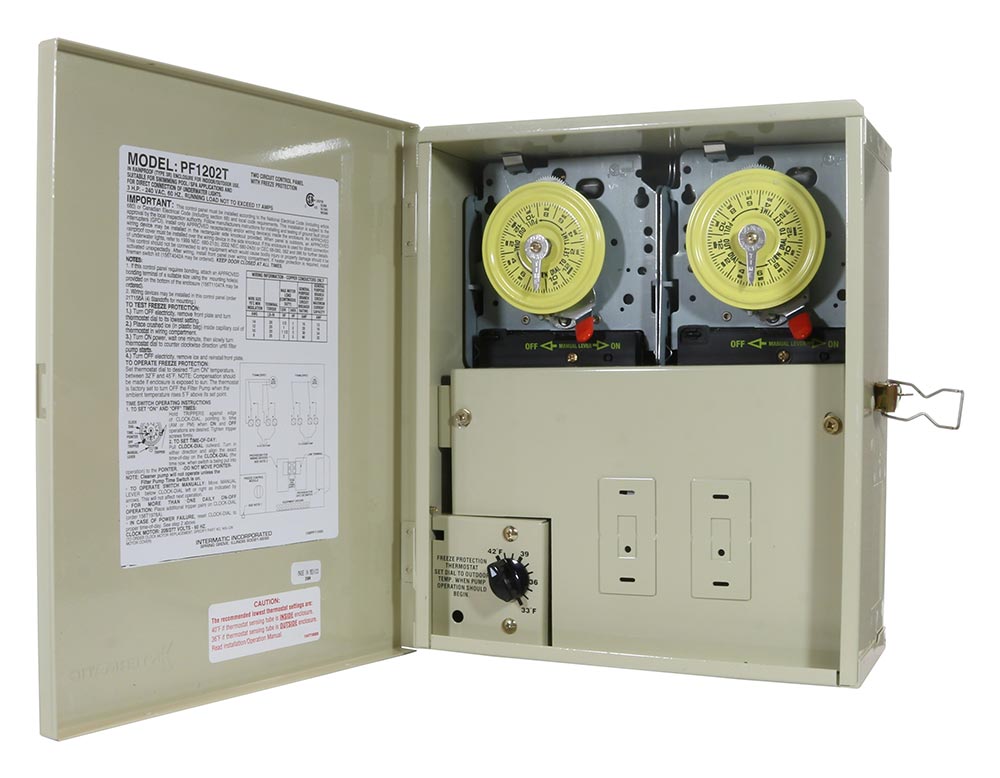
Credit: www.poolweb.com
Common Reasons For Pool Freeze Protection Failure
Pool freeze protection can fail for many reasons. Knowing common causes helps keep your pool safe. It stops water from freezing and damaging pipes.
Several issues may cause freeze protection to stop working. These problems affect the system’s ability to detect cold or move water properly. Find out what to check first.
Faulty Thermostat Settings
Thermostats control when freeze protection turns on. Wrong settings can prevent activation. Sometimes the temperature threshold is set too low. The system may stay off during cold nights.
Power Supply Issues
Freeze protection needs constant power. A power outage or loose connection stops the system. Check circuit breakers and wiring for faults. No power means no freeze protection.
Damaged Freeze Protection Sensors
Sensors detect cold temperatures around the pool. Damage from weather or debris can break sensors. Faulty sensors give wrong temperature readings. The system may not start when needed.
Blocked Water Flow
Freeze protection relies on water circulation. Blocked pipes or filters reduce flow. Water stays still and can freeze inside pipes. Clean filters and clear pipes regularly.
Malfunctioning Pumps And Valves
Pumps and valves move water through the system. If they fail, water does not circulate. Mechanical or electrical failures stop pumps from working. Test pumps and valves before winter arrives.
Immediate Steps To Prevent Pool Freeze Damage
Troubleshooting electrical components is key when pool freeze protection fails. Electrical issues often cause system malfunctions. Checking these parts helps find the problem fast.
Start with the power source. Electrical faults may stop the freeze protection from working. Careful inspection avoids costly repairs later.
Checking Circuit Breakers
Circuit breakers control electricity flow. A tripped breaker cuts power to the freeze system. Look for any breakers switched off or in the middle position.
Reset any tripped breaker by flipping it off, then on. If it trips again, call an electrician. Repeated trips show a deeper electrical problem.
Inspecting Wiring Connections
Loose or damaged wires disrupt electricity flow. Turn off power before checking wires. Look for frayed, broken, or burnt wires around the freeze protection unit.
Tighten loose connections and replace damaged wires. Poor wiring can cause intermittent failures or no power at all.
Testing Thermostat Functionality
The thermostat controls the freeze protection system. A faulty thermostat can stop the heater or pump from running. Use a multimeter to check the thermostat’s output.
Replace the thermostat if it does not send power signals. Proper thermostat function keeps the pool safe from freezing temperatures.
Troubleshooting Electrical Components
Freeze protection devices are vital for keeping your pool safe during cold weather. These devices stop water from freezing and damaging pool equipment. Sometimes, they stop working properly. Repairing or replacing them ensures your pool stays protected and functional.
Understanding how to fix or upgrade freeze protection devices helps prevent costly damage. Regular checks and timely repairs keep the system reliable. Choose the right approach based on the device’s condition and age.
Sensor Replacement Tips
Sensors detect temperature changes and trigger the freeze protection system. A faulty sensor can cause the system to fail. Replace sensors with ones that match your pool system’s specifications. Clean the sensor area before installing the new part. Test the sensor after replacement to ensure it works well.
Upgrading Freeze Protection Systems
Older freeze protection systems may not work well with new technology. Upgrading improves reliability and energy efficiency. Choose systems with better sensors and automated controls. New models often include alerts to notify you about freezing risks. Upgrading saves money on repairs and energy bills in the long run.
Hiring Professional Help
Pool freeze protection systems can be complex. Professional technicians have the tools and knowledge to fix issues quickly. They identify hidden problems and ensure proper installation. Hiring experts reduces the risk of system failure. It also protects your pool investment and gives peace of mind.
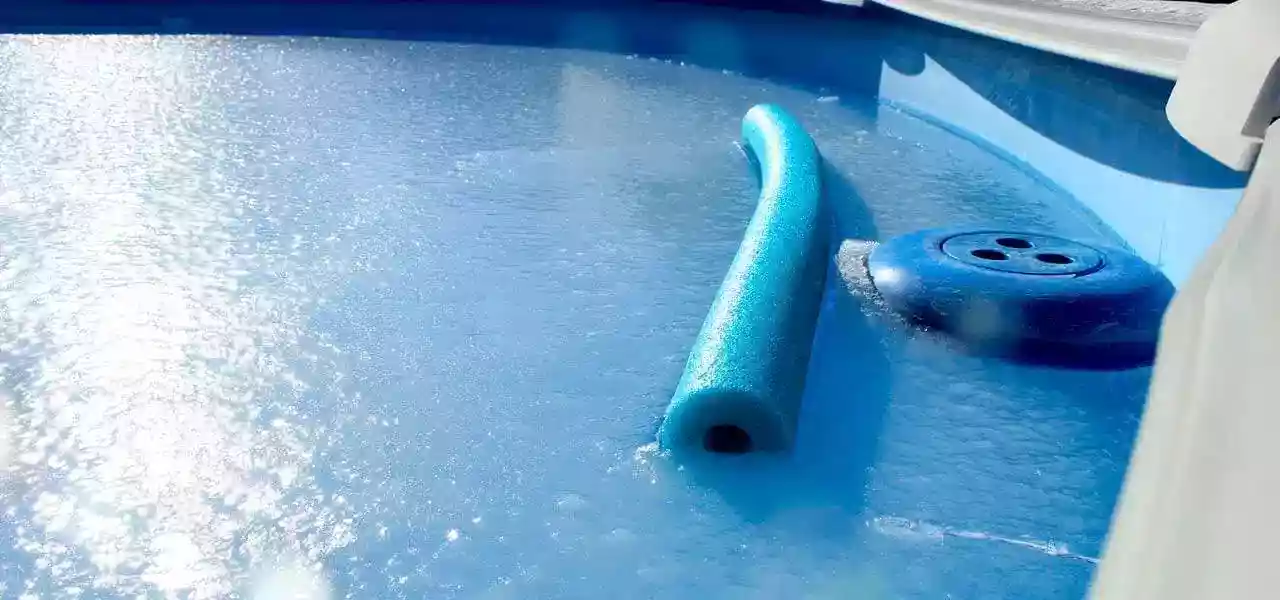
Credit: intheswim.com
Repairing Or Replacing Freeze Protection Devices
Protecting your pool from freezing damage requires careful planning. Taking steps before cold weather hits can save costly repairs and stress. Preventive measures help keep your pool safe through winter.
Regular Maintenance Schedule
Check your pool equipment often. Clean filters and pumps regularly. Look for leaks or cracks in pipes. Fix small problems quickly. This avoids bigger issues during freezing weather. Schedule maintenance checks before winter starts. Keep records of all work done. A healthy pool system withstands cold better.
Winterizing Your Pool Properly
Drain water from pipes and pumps. Remove pool accessories that may freeze. Add antifreeze made for pools in plumbing. Cover your pool with a secure winter cover. This stops debris and ice damage. Follow manufacturer instructions carefully. Proper winterizing blocks freeze damage to pool parts. Do this every year, without fail.
Installing Backup Systems
Consider backup power for your pool pump. Battery or generator backups keep pumps running. This prevents water from freezing inside pipes. Install freeze sensors that alert you early. Automatic shutoff valves protect plumbing. Backup systems add a safety layer. They reduce risk during power outages and extreme cold.

Credit: iberiaparishgovernment.com
Frequently Asked Questions
Why Is My Pool Freeze Protection Not Activating?
The freeze protection may fail due to power issues or faulty sensors.
How Can I Test If Pool Freeze Protection Works?
Manually lower the temperature to check if the system turns on.
What Common Problems Cause Freeze Protection Failure?
Blocked pipes, broken heaters, or damaged control boards often cause failure.
Can Weather Changes Affect Pool Freeze Protection?
Yes, sudden cold snaps can overwhelm weak or faulty protection systems.
How Often Should Pool Freeze Protection Be Maintained?
Check and service it at least once before the cold season starts.
What Steps Fix A Pool Freeze Protection System?
Clean sensors, repair wiring, and ensure the power supply is stable.
Conclusion
Pool freeze protection failing? Don’t ignore the signs. Check your equipment often. Keep water moving to stop freezing. Use covers to trap warmth. Clear ice carefully to avoid damage. Small fixes save big repairs later. Stay alert during cold nights.
Protect your pool with simple steps. Winter won’t harm your pool if you act fast. Take care now, enjoy your pool later.