
Is your pool vacuum suction too strong? It can feel like a good thing at first—after all, powerful suction means a cleaner pool, right?
But when the suction is too strong, it can cause problems that you don’t want to deal with. You might notice your vacuum getting stuck, or even damage to your pool’s surfaces and equipment. If you want to keep your pool sparkling clean without the hassle, understanding why your vacuum’s suction is too strong and how to fix it is key.
Keep reading, and you’ll discover simple tips to balance your suction power perfectly for a smooth, worry-free pool cleaning experience.
Common Causes Of Strong Suction
Strong suction from a pool vacuum can cause problems. It may damage the pool surface or the vacuum parts. Understanding common causes helps fix the issue quickly. Below are some frequent reasons why suction becomes too strong.
Blocked Or Dirty Filter
A dirty or blocked filter reduces water flow. This makes the pump work harder and increases suction. Clean the filter regularly to keep suction balanced. Check for debris like leaves or dirt that block water flow.
Improper Valve Settings
Pool valves control water flow through the system. Wrong valve positions can increase suction too much. Verify that all valves are set as the pool manual suggests. Adjust valves to allow smooth water movement.
Pump Running Too Fast
A pump running at high speed creates very strong suction. Some pumps have adjustable speeds. Lower the speed to reduce suction force. Running the pump too fast wastes energy and risks damage.
Clogged Or Narrowed Hose
Hoses with clogs or narrow spots limit water flow. This forces the pump to pull harder, raising suction. Check hoses for blockages or kinks. Replace old hoses that have shrunk or cracked.
Incorrect Vacuum Head
Using the wrong vacuum head can cause suction issues. Some heads do not fit well or block water flow. Choose a vacuum head designed for your pool type. Proper fit helps maintain balanced suction.

Credit: www.youtube.com
Risks Of Excessive Suction
Excessive suction in pool vacuums can cause serious problems. It affects the pool’s condition and the vacuum’s performance. Understanding the risks helps keep your pool safe and clean.
Damage To Pool Surfaces
Strong suction can pull at the pool’s lining or tiles. This may cause cracks or tears. Over time, these damages get worse and cost more to fix. The pool’s finish can also fade or peel from harsh pressure.
Wear On Vacuum Equipment
Too much suction strains the vacuum motor and parts. This wear leads to frequent breakdowns and repairs. The vacuum hose and brushes can break faster. Equipment life shortens, causing more expenses.
Potential Safety Hazards
Excessive suction can trap swimmers or pets near the drain. This creates a dangerous situation and risk of injury. It may also cause sudden equipment failures. Safe pool use depends on balanced suction levels.
Simple Fixes To Reduce Suction
Strong suction from a pool vacuum can cause damage and make cleaning hard. Fixing suction issues usually does not take much time or special tools. Simple steps can lower suction and keep your pool vacuum working well. These easy fixes help protect pool equipment and improve cleaning.
Clean Or Replace Filters
Dirty filters block water flow and raise suction power. Clean the filter regularly to let water pass easily. Replace old or worn filters for best results. This helps the vacuum work with the right suction level.
Adjust Valve Positions
Valves control water flow in the pool system. Adjusting valves can lower suction strength. Partially close valves to reduce the water speed. Find a balance that cleans well without strong suction.
Control Pump Speed
Many pumps have speed settings. Lowering the pump speed reduces suction force. Use a slower pump setting for gentle cleaning. This also saves energy and extends pump life.
Inspect And Clear Hoses
Check hoses for blockages or kinks. Blocked or bent hoses cause high suction. Remove debris and straighten hoses for smooth water flow. This lowers suction and improves vacuum performance.
Choose The Right Vacuum Head
Different vacuum heads create different suction levels. Use a head designed for your pool size and surface. A larger head may reduce suction by spreading water flow. Pick the right head to balance cleaning and suction.
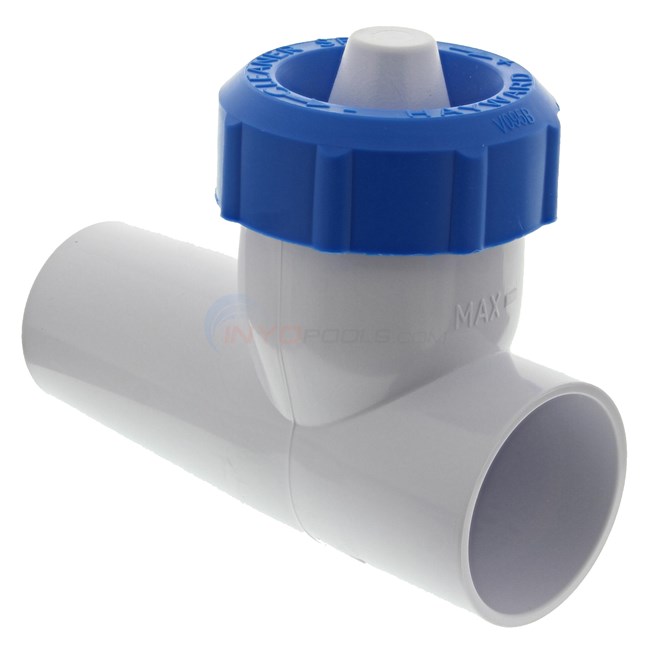
Credit: forum.inyopools.com
Preventive Maintenance Tips
Preventive maintenance helps keep your pool vacuum working well. It stops suction from becoming too strong. Simple steps protect your equipment and save money. Regular care also extends the life of your vacuum and pool system.
Regular Equipment Checks
Check your vacuum parts often. Look for cracks or worn hoses. Replace any damaged pieces right away. Inspect the suction line for blockages. Clear out leaves and debris to avoid extra pressure.
Proper Storage Practices
Store your vacuum in a dry, shaded area. Avoid direct sunlight to prevent damage. Coil hoses loosely to stop kinks. Keep the vacuum away from harsh chemicals. Proper storage keeps parts flexible and safe.
Routine Filter Cleaning
Clean your pool filter regularly. A dirty filter causes strong suction. Rinse or backwash the filter as needed. This keeps water flowing smoothly. Clean filters protect the vacuum and pump.
When To Call A Professional
Knowing when to call a professional for pool vacuum suction issues can save time and money. Some problems need expert help to avoid damage. Professionals have the right tools and experience to fix tough issues safely.
Persistent Suction Issues
If your pool vacuum suction stays too strong after basic checks, it could mean a bigger problem. Continuous suction problems might damage your pool or vacuum. A professional can diagnose and fix the root cause quickly.
Equipment Malfunctions
Malfunctioning parts like pumps or valves can cause suction problems. These parts need careful handling and specific knowledge to repair. Calling a professional ensures your equipment gets fixed properly without risk.
Complex Repairs
Some suction problems require complex repairs beyond simple cleaning or adjustments. Professionals can handle intricate tasks like pipe repairs or motor replacements. They keep your pool safe and running smoothly.

Credit: www.reddit.com
Frequently Asked Questions
Why Is My Pool Vacuum Suction Too Strong?
Strong suction usually means a blockage or the pump’s pressure is set too high.
Can Strong Suction Damage My Pool Vacuum?
Yes, too much suction can harm the vacuum or pool surface over time.
How Do I Reduce Suction On My Pool Vacuum?
Try adjusting the valve or using a flow restrictor to lower suction power.
What Causes Sudden Increase In Vacuum Suction?
Clogged skimmer baskets or blocked filters can cause suction to spike suddenly.
Is Strong Suction Normal For Automatic Pool Vacuums?
Automatic vacuums have varied suction; too strong may signal a problem needing fix.
How Often Should I Check Pool Vacuum Suction Strength?
Check suction strength every time before use to avoid damage and ensure proper cleaning.
Conclusion
A pool vacuum with too strong suction can cause damage. It may harm pool liners or the vacuum itself. Adjust the suction to a safer, gentler level. Regular checks keep your pool clean and equipment safe. Simple fixes often solve suction problems quickly.
Keep your pool fun and worry-free by managing suction well. Small steps make a big difference in pool care.